

Description
- Brand: GE / VMIC
- Full Model Number: VMIVME-7697-850 / 332-000397-000G
- System/Series Family: VMIC VMEbus Single Board Computer
- One-Sentence Core Function: 6U VMEbus single-board computer providing embedded processing, Ethernet, storage, graphics, and VMEbus control functions
- Top 3 Hardcore Specs: 850 MHz Intel Pentium III; 128 MB SDRAM; 10/100 Mbps Ethernet with PMC expansion
- Stock Status: New surplus / fully tested refurbished, subject to exact assembly revision
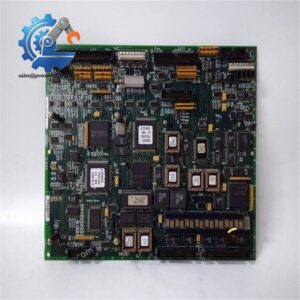
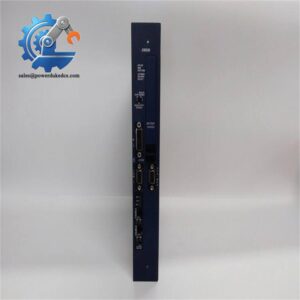
The VMIVME-7697-850 is a VMIC VMEbus single-board computer built around an 850 MHz Intel Pentium III processor. Current technical records identify the board with 128 MB RAM and no onboard flash memory for this specific -850 configuration; the published VMIC family documentation also describes VMEbus, Ethernet, SCSI, PMC, CompactFlash/IDE, serial, USB, watchdog, and battery-backed NVRAM resources.
Identification note: I could verify the VMIVME-7697-850 model and its 350-017697-850 H board identifier in current records, but I could not independently verify 332-000397-000G in a primary VMIC document. Treat that number as an assembly/build reference unless the physical nameplate confirms its relationship to the board.
Module 3: Commercial-Technical Deep Dive
A failed VME CPU board can shut down an embedded control or acquisition platform even when the chassis, I/O cards, and application software remain intact. The GE VMIVME-7697-850 is a dual-slot VMEbus single-board computer designed for that environment, using an 850 MHz Pentium III processor and 128 MB RAM in the documented -850 configuration. The board integrates VMEbus control, Ethernet, SCSI, storage interfaces, serial ports, graphics, timers, watchdog protection, and a PMC expansion site, allowing it to serve as the host processor for legacy real-time systems without replacing the entire VME backplane.
The maintenance value is compatibility preservation. The VMIVME-7697 family supports VME64-style A32/A24 addressing and D32/D16/D08 transfers, while the processor board provides 10/100 Mbps Ethernet, a PCI-to-VME Universe II bridge, and a PMC site for mezzanine expansion. Historical VMIC documentation also lists battery-backed SRAM, programmable timers, watchdog functionality, and multiple operating-system environments including Windows NT/2000, VxWorks, Solaris, Linux, LynxOS, and QNX. (The exact storage and RAM configuration must still be checked on the physical -850 board before shipment.)
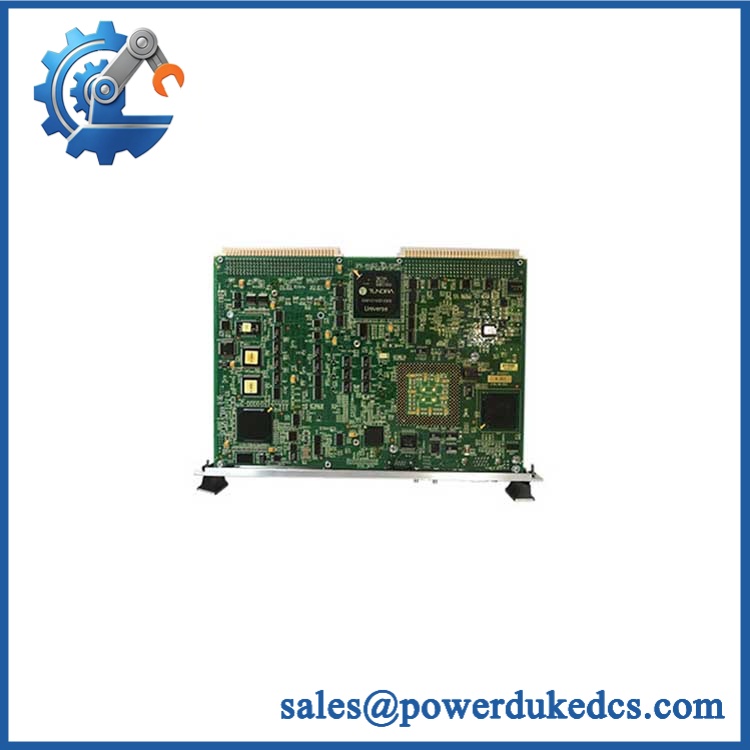
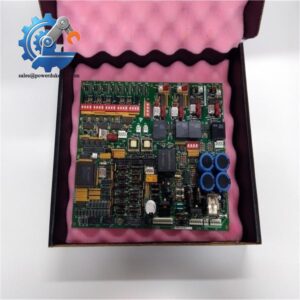
GE VMIVME-7697-850 332-000397-000G
Module 4: Compatibility & Installation Traps
Migration/Compatibility
- Replacement type: 6U VMEbus Single Board Computer
- Model: VMIVME-7697-850
- Assembly Identifier: 332-000397-000G
- Known board identifier: 350-017697-850 H for the documented -850 configuration
- Processor: 850 MHz Intel Pentium III
- Firmware flash: Potentially required, depending on BIOS revision, boot medium, operating system, and application image
- Logic rewrite: Normally not required when replacing an identical board and preserving the installed software environment
- Drop-in status: Potentially direct within a compatible VME chassis, but the backplane, slot arrangement, PMC hardware, storage device, BIOS configuration, and operating-system image must match
- Bus architecture: VMEbus with Universe II PCI-to-VME bridge and 32-bit VME interface resources
⚠️ Field Traps (Watch Out)
1. The -850 suffix defines a specific CPU configuration.
Current records identify the -850 version as an 850 MHz Pentium III with 128 MB RAM and no onboard flash. Do not substitute another VMIVME-7697 speed or memory variant simply because the board family is identical.
2. Preserve the boot environment before removal.
A VME SBC can depend on hard-drive, CompactFlash, DiskOnChip, or network-boot configuration. Record BIOS settings, boot priority, IP parameters, storage identification, and operating-system details before replacing the processor board.
3. Check PMC hardware separately.
The VMIVME-7697 provides a PMC expansion site. A replacement CPU board can pass POST and still fail at application startup if the installed PMC module, driver, or interrupt configuration differs from the original platform.
4. Verify chassis power and airflow.
The board operates from the VME chassis supply rather than a standalone industrial 24 VDC input. Check the backplane supply rails, cooling fans, card spacing, and airflow direction before commissioning a replacement.
5. Do not equate VME mechanical fit with software compatibility.
Different VMIVME-7697 revisions support different processor, memory, storage, and peripheral combinations. A board can physically seat in the same slot while presenting a different BIOS, device map, or driver environment to the application.
Module 5: Quality Assurance SOP
Each GE VMIVME-7697-850 332-000397-000G unit should pass a documented pre-shipment inspection sequence:
- OEM anti-counterfeit visual inspection: Verify GE/VMIC identification, VMIVME-7697-850, 332-000397-000G, board revision, connector layout, and manufacturing markings.
- Secondary identifier verification: Record the physical board identifier and compare it against the supplied assembly documentation; do not assume the 332-series number is the same as the VMIC board number.
- Mechanical inspection: Check VME backplane connectors, front-panel connectors, PMC mounting points, storage interfaces, heatsink, and PCB surface for damage, corrosion, contamination, or unauthorized modification.
- Processor verification: Confirm the installed CPU corresponds to the 850 MHz Pentium III configuration where accessible.
- Memory verification: Confirm the installed 128 MB RAM configuration for the -850 variant where accessible.
- Power-on self-test (POST): Boot the board in a compatible VME test chassis and verify BIOS initialization, processor detection, memory detection, and absence of persistent hardware errors.
- VMEbus verification: Confirm proper VMEbus initialization and access through a compatible test backplane.
- Ethernet handshake verification: Test the onboard 10/100 Mbps Ethernet interface for link establishment and controlled network communication.
- Serial/USB verification: Where test equipment permits, verify serial ports and USB interfaces.
- Storage verification: Check the supported storage path, including IDE/CompactFlash or other installed boot media, and confirm successful boot from the intended device where applicable.
- PMC verification: Where a compatible PMC test card is available, confirm PMC initialization and operating-system recognition.
- Watchdog verification: Confirm watchdog timer operation using a controlled diagnostic procedure where supported.
- NVRAM/RTC verification: Check battery-backed retention functions and system clock behavior after a controlled power cycle.
- Final QC: Photograph the nameplate and revision markings, document POST and interface-test results, protect VME connectors against impact, and package the board in ESD-safe material.
Module 6: CRO-Driven Buyer FAQ
1. What is GE VMIVME-7697-850?
It is a 6U VMEbus single-board computer from the VMIC/GE embedded computing family. The documented -850 configuration uses an 850 MHz Intel Pentium III processor and 128 MB RAM and provides VMEbus, Ethernet, storage, serial, graphics, and PMC resources.
2. What does 332-000397-000G identify?
I could not independently confirm 332-000397-000G from a primary VMIC document. It should therefore be retained as the exact customer-supplied assembly identifier, while the VMIVME-7697-850 model and physical board label should be used for technical compatibility verification.
3. Can the VMIVME-7697-850 be hot-swapped?
Do not assume hot-swap capability. Standard VME maintenance should use a controlled power-down unless the specific chassis and system explicitly support live insertion and the applicable procedure authorizes it.
4. What are the key specifications of the -850 version?
Current technical records identify the 850 MHz Pentium III, 128 MB RAM, dual-slot VME format, and no onboard flash memory for the -850 configuration. The broader VMIVME-7697 architecture includes 10/100 Mbps Ethernet, VMEbus through a Universe II bridge, PMC expansion, SCSI/storage interfaces, watchdog, timers, and battery-backed NVRAM.
5. What warranty and technical support are provided?
Warranty duration should be stated on the quotation for the exact inventory condition supplied. Technical support should cover exact model and revision verification, VME chassis compatibility, BIOS and boot-environment review, POST documentation, interface testing, and replacement guidance within the documented VMIC VME architecture. Operating-system recovery, application migration, PMC integration, and site commissioning remain the responsibility of qualified system personnel.


 Start Chat