

Description
- Brand: GE / VMIC
- Full Model Number: VMIVME-7740-850
- Additional Part Number: 350-007740-850 L
- System/Series Family: GE VMIC VMEbus / VMIVME Series
- Product Type: VMEbus single-board computer / CPU module
- One-Sentence Core Function: Provides embedded computing and VMEbus processing resources for legacy industrial control, data acquisition, and instrumentation systems.
- Top 3 Hardcore Specs: VMEbus architecture; single-board embedded computing platform; 6U-class VME form factor
- Stock Status: New Surplus — actual unit condition, label revision, and packaging should be verified before shipment.
- Application Focus: Industrial control, test and measurement, data acquisition, legacy VME-based automation systems
Technical Product Introduction
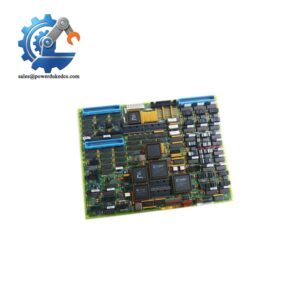
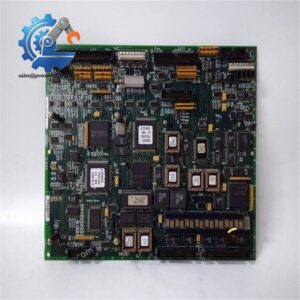
The GE VMIVME-7740-850 350-007740-850 L is a VMEbus single-board computer designed for systems that use the VME backplane as the primary interconnect between processor, I/O, communication, and instrumentation modules. In a typical installation, the board operates as a host computing resource rather than as a standalone PLC. It exchanges data with installed VME peripherals through the backplane, making it relevant to older control cabinets, test platforms, industrial computers, and specialized data-acquisition equipment where the existing VME architecture remains in service.
For replacement work, the important engineering issue is not simply whether the board physically fits the chassis. The CPU architecture, memory configuration, operating environment, VMEbus behavior, boot media, and application software must match the installed system. The -850 configuration and 350-007740-850 L identifier should therefore be checked against the existing board label and system documentation before procurement. (Field note: revision suffixes can matter when maintaining legacy VME platforms.) Where an older VMIVME processor is being replaced, compare the host software, peripheral dependencies, boot sequence, and I/O timing before assuming functional equivalence.
Application Scenarios & Field Realities
Legacy VME industrial control cabinets.
The VMIVME-7740-850 can serve as the embedded computing element in a VME chassis containing dedicated I/O, communication, motion, or acquisition boards. Maintenance teams should verify the complete card set rather than evaluating the CPU board in isolation.
Industrial data acquisition and instrumentation.
VME systems remain present in specialized measurement and monitoring equipment. Here, the processor coordinates data collection and application-level processing while dedicated VME modules handle field signals or instrumentation interfaces.
Factory test and automated test equipment.
Older automated test platforms often depend on a specific CPU board, operating environment, and application image. A replacement processor may be mechanically compatible while still requiring validation of boot media, drivers, application binaries, and connected VME devices.
Long-life control systems.
When an installed VME computer has become difficult to source, maintaining an equivalent spare can reduce the risk associated with an unexpected processor failure. Asset records should include the complete GE part number, suffix, board revision, and installed software baseline.
Migration, Compatibility & Installation Traps
Replacement Matrix
| Replacement Type | Engineering Assessment | Required Verification |
|---|---|---|
| Drop-in Replacement | Possible only when chassis, backplane, board revision, power requirements, software image, and peripheral configuration match the installed unit. | Compare complete part number and revision before installation. |
| Software Compatible | Possible when the replacement hardware supports the existing operating environment and application software. | Verify drivers, boot image, processor architecture, memory requirements, and VME device support. |
| Hardware Modification Required | Applies when the replacement differs in board generation, connectors, mounting arrangement, backplane requirements, or peripheral interface. | Review the complete system architecture before changing hardware. |
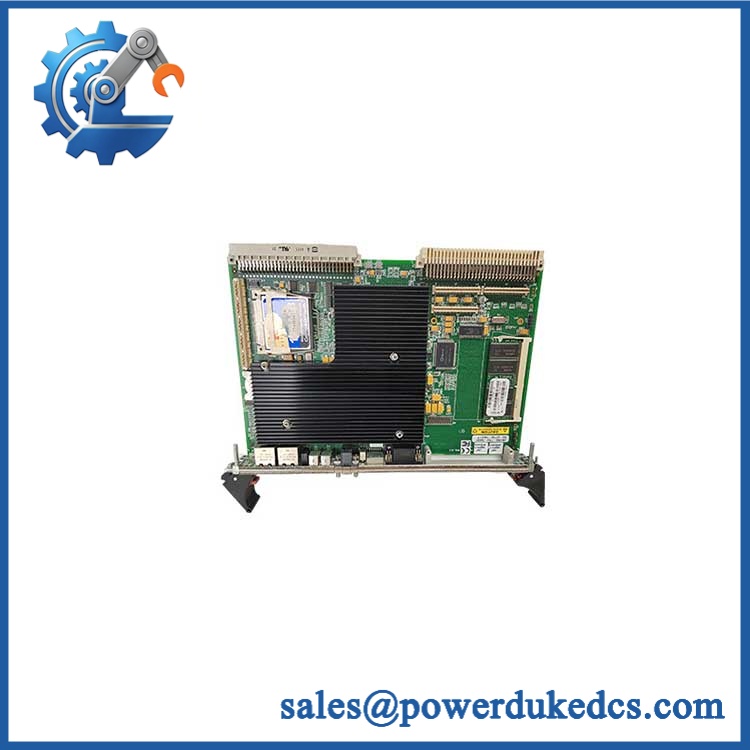
GE VMIVME-7740-850 350-007740-850 L
Field Traps — Watch Out
Do not match by the VMIVME family name alone.
VMIC VME boards can have closely related identifiers with different processor, memory, interface, or revision configurations. The complete VMIVME-7740-850 / 350-007740-850 L marking should be recorded from the existing unit.
Check the boot environment before powering the replacement into production.
A processor board can pass basic hardware diagnostics and still fail to start the plant application because the boot device, operating system image, driver set, or application binary is different. Preserve the existing software image whenever possible.
Inspect the VME backplane and adjacent cards.
A processor replacement should be evaluated together with the installed VME modules. Confirm slot position, board seating, backplane condition, cooling, and neighboring-card clearances before commissioning.
Do not assume software portability across processor generations.
Legacy VME applications may depend on processor-specific binaries, board-support packages, interrupt behavior, or device drivers. A successful POST does not by itself establish application compatibility.
Quality Assurance SOP
Before shipment, each available GE VMIVME-7740-850 350-007740-850 L unit should be processed through a controlled inspection sequence appropriate to its actual condition.
- OEM identification inspection: Check the GE/VMIC label, complete part number, suffix, serial information, PCB markings, connectors, and revision identifiers for consistency.
- Physical PCB inspection: Examine the board for corrosion, damaged components, bent connector pins, cracked solder joints, contamination, and evidence of unauthorized modification.
- Power-on self-test (POST): When the test fixture and installed configuration support it, power the board in a compatible VME chassis and verify the expected startup/diagnostic behavior.
- Memory and processor check: Confirm that the board completes its available hardware diagnostics without abnormal fault indications.
- VMEbus communication verification: Install the board with a compatible VME peripheral and verify basic bus communication, address recognition, and expected device interaction.
- Boot verification: Where the original software environment is available, verify the expected boot sequence and confirm that the processor reaches the intended operating environment.
- Interface inspection: Check front-panel connectors, rear/backplane connections, extraction handles, and board seating points.
- Extended operation check: Where testing equipment permits, run the board under controlled operating conditions long enough to identify intermittent boot, communication, or thermal behavior.
- Pre-shipment documentation: Record model number, revision, serial information, physical condition, test results, and packaging condition before dispatch.
Procurement note: For a legacy VME CPU board, the exact part-number suffix is part of the compatibility record. Request the actual unit label and board revision before placing a replacement order when the installed system is production-critical.


 Start Chat