

Description
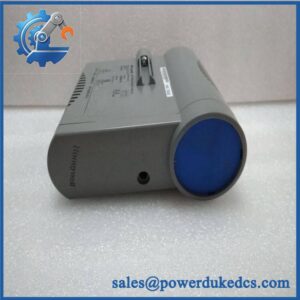
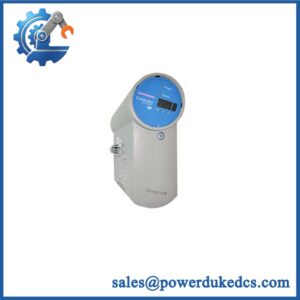
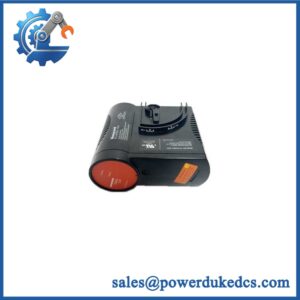
- Model: C7961E1006
- Brand: HONEYWELL
- Series/System: Honeywell Flame Safeguard / Burner Management System
- Part Type: Ultraviolet Flame Detector (UV Flame Scanner)
- Core Function: Detects ultraviolet radiation produced by gas, oil, and combination burner flames and provides flame presence feedback to burner control equipment.
- Key Specs:
- UV solid-state flame sensing technology
- 120 VAC operation, 50/60 Hz
- Dynamic self-checking shutter mechanism
- 3/4 inch NPT mounting connection
- 96-inch lead wire assembly
- Compatible with R7851C Dynamic Self-Check Amplifier
Product Introduction
A burner management system depends on one critical decision: is a flame actually present? The HONEYWELL C7961E1006 provides ultraviolet flame detection for industrial combustion equipment, monitoring UV radiation from burner flames and transmitting a flame signal through the compatible flame amplifier. It is commonly installed on boilers, furnaces, and process heating equipment where flame failure detection is required.
Mounted near the burner sight port, the C7961E1006 operates as part of a flame safeguard chain rather than as an independent controller. The detector must be aligned correctly with the flame target, paired with the correct amplifier, and protected from excessive heat and contamination (—which is critical because soot, dust, and poor sight alignment can mimic a sensor failure).
Core Technical Specifications
| Parameter | Value |
|---|---|
| Manufacturer | HONEYWELL |
| Model | C7961E1006 |
| Product Type | UV Flame Detector |
| Detection Method | Ultraviolet radiation sensing |
| Sensor Type | Solid-state UV sensor |
| Operating Voltage | 120 VAC (-15%, +10%) |
| Frequency | 50/60 Hz |
| Mounting Connection | 3/4 inch NPT |
| Lead Length | 96 inches |
| Compatible Amplifier | R7851C Dynamic Self-Check Amplifier |
| Compatible Controls | Honeywell 7800 Series controls, R7140, EC7810A |
| Self-Check Function | Oscillating shutter UV verification |
| Signal Output | 1.25–5.0 VDC flame signal |
| Ambient Temperature Range | -40°F to 175°F (-40°C to 80°C) |
| Housing Rating | NEMA 4 |
| Viewing Window Pressure Rating | 20 psi |
| Mounting Orientation | Horizontal, vertical, or angled |
| Application | Gas, oil, and combination burners |
| Lifecycle Status | Discontinued / Replacement planning recommended |
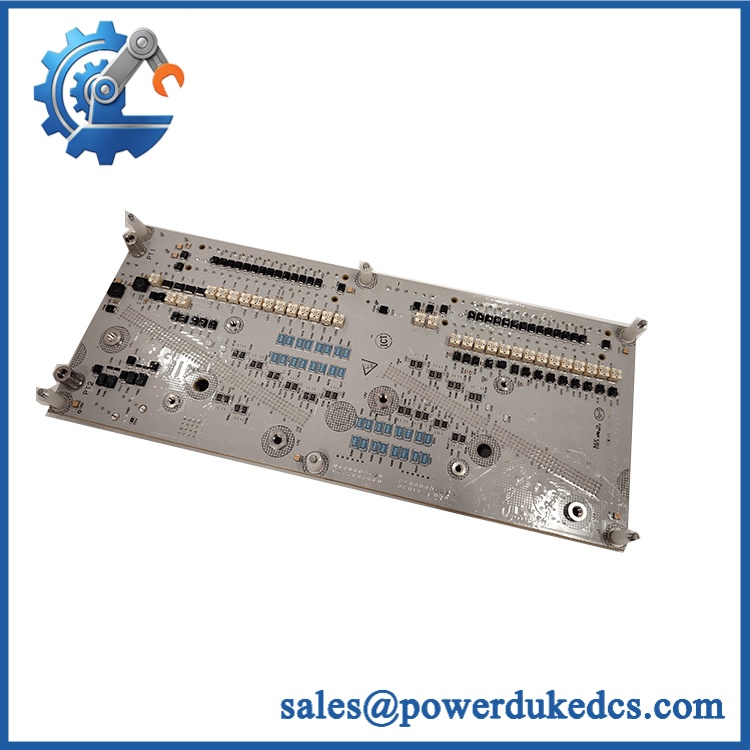
HONEYWELL C7961E1006
Application Scenarios & Pain Points
A burner trip caused by an unreliable flame signal can shut down an entire thermal process even when fuel and ignition systems are healthy. The C7961E1006 is maintained as a spare component in combustion control systems where flame verification is part of the safety chain.
- Industrial boilers: Monitors burner flame presence during startup and continuous operation.
- Power generation plants: Supports boiler combustion management systems.
- Chemical processing: Protects fired heaters and thermal process equipment.
- Refineries: Provides flame supervision for oil and gas burner assemblies.
- Manufacturing furnaces: Maintains safe operation of industrial heating equipment.
In large combustion systems operating above 500°C furnace temperatures, incorrect flame detection can result in nuisance shutdowns or unsafe operating conditions.
? Common Error Codes & Diagnostic Symptoms
Symptom/Code: Flame Failure / No Flame Signal
→ Diagnosis: Possible dirty viewing window, incorrect detector alignment, failed UV tube, or damaged wiring.
→ Action: Clean optical path, verify flame sight, then replace C7961E1006 if sensor output remains unavailable.
Symptom/Code: Intermittent Flame Signal During Operation
→ Diagnosis: Possible unstable burner flame pattern, excessive vibration, electrical interference, or aging detector components.
→ Action: Check burner conditions and replace detector if hardware degradation is confirmed.
Symptom/Code: Self-Check Fault / Amplifier Alarm
→ Diagnosis: Possible shutter mechanism failure or communication issue with R7851C amplifier.
→ Action: Verify amplifier compatibility and replace flame detector if self-test fails.
Cross-Reference & Lifecycle Migration
- Related Models:
- C7961E1014
- C7961E1022
- C7961E1030
- Compatibility Requirements:
- Verify:
- R7851C amplifier model
- Burner controller type
- Mounting pipe size
- Wiring configuration
- Sight pipe alignment
- Verify:
- Firmware / Configuration Requirements:
- The is a flame sensing device and does not operate as a programmable controller.
- Correct amplifier pairing is required for proper flame signal processing.
- Lifecycle Status:
- Status: Discontinued / Legacy Support
- Replacement planning is recommended for combustion systems still using this detector.
- Migration Strategy:
- Record detector mounting dimensions.
- Archive burner control documentation.
- Verify approved replacement models before scheduled shutdowns.
Field Engineer’s Tech Notes (Anti-Pitfall Guide)
- Do not replace the detector without checking flame alignment.
A new UV scanner cannot compensate for incorrect sight angle, dirty lenses, or poor burner flame visibility. - Do not test the sensor with random light sources.
UV detectors require proper test procedures and compatible equipment. Incorrect testing can produce misleading results.
Strict QA & Testing SOP
A professional inspection process for HONEYWELL should include:
Step 1 — Incoming Inspection
- Verify Honeywell label.
- Confirm complete model number.
- Record serial information.
- Inspect protective packaging.
Step 2 — Physical Examination
Check:
- UV detector housing
- Quartz viewing window
- NPT mounting threads
- Lead wire condition
- Connector termination
Step 3 — Electrical Testing
- Verify 120 VAC input requirements.
- Check wiring continuity.
- Confirm sensor response circuit.
Step 4 — Functional Testing
- Connect compatible R7851C amplifier.
- Simulate flame detection conditions.
- Verify flame signal output.
- Confirm self-check operation.
Step 5 — Packaging Control
- Use protective wrapping.
- Shield optical surfaces.
- Prevent impact damage during transport.
Test videos are available for selected inspected units.
Buyer’s FAQ (Dynamic Q&A)
Q: Can the Honeywell be hot-swapped?
A: No. Flame detectors are part of burner safety circuits and should be replaced only under controlled shutdown conditions.
Q: How do I verify this is a genuine Honeywell ?
A: Check the Honeywell label, model number, mounting configuration, lead wire assembly, and supplier inspection documentation.
Q: Does the include firmware?
A: No. This is a UV flame sensing device, not a programmable module. Compatibility depends on the burner controller and amplifier system.
Q: What warranty applies to this flame detector?
A: Warranty depends on supplier terms and product condition. Confirm whether the unit is new original, unused surplus, refurbished, or tested before installation.


 Start Chat