


Description
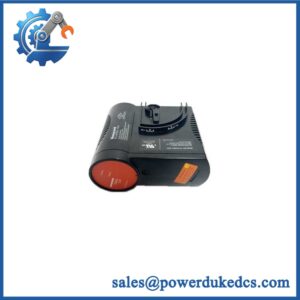
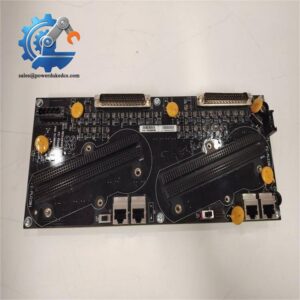
- Model & Brand: Honeywell TK-PPD011 Battery Extension Module; commonly identified with P/N 51309241-175. Some supplier records also associate 51204142-100 with this assembly, so verify the nameplate before purchase.
- System Association: Honeywell Experion PKS / C200 battery-extension application. Honeywell documentation identifies the TK-PPD011 as the coated Battery Extension Module (BEM), while TC-PPD011 is the uncoated version.
- Physical Dimensions: Approximately 5.3 × 2.8 × 0.8 in. (135 × 71 × 20 mm) based on supplier-reported dimensions. Treat this as an approximate logistics figure, not a certified mechanical drawing.
- Estimated Shipping Weight: 0.36 kg net is repeatedly reported. A packaged shipment may be materially heavier depending on the protective carton and cushioning.
- What’s in the Box: TK-PPD011 module, protective packaging, and applicable documentation. The battery itself is shipped separately and is not installed in the BEM according to the Honeywell Experion installation documentation.
- Handling Note: Preserve the front enclosure, mounting hardware, terminal connections, and any retaining screws during receiving inspection.
Product Introduction
Architecture Hook
The Honeywell TK-PPD011 is a Battery Extension Module used within the Honeywell Experion PKS controller architecture, specifically supporting the battery-backed functions associated with the controller chassis. It is not a conventional I/O signal module; its physical role is tied to the controller’s battery-extension arrangement. Honeywell’s installation documentation explicitly distinguishes the coated TK-PPD011 from the uncoated TC-.
Installation is chassis-dependent. Before mounting, confirm the planned controller configuration against the Honeywell chassis rules rather than treating the module as a generic DIN-rail spare (a distinction that matters during retrofit work). The module is installed with a small flat-blade screwdriver, and Honeywell specifically calls for ESD precautions before handling the assembly.
Core Technical Specifications
| Parameter | Value |
|---|---|
| Manufacturer | Honeywell |
| Model | TK-PPD011 |
| Part Number | 51309241-175 |
| Product Type | Battery Extension Module |
| System | Honeywell Experion PKS / C200 |
| Module Variant | Coated BEM |
| Input / Supply | Reported 5.1–24 VDC operating range |
| Current Draw @ 24 VDC | Approximately 36 mA |
| Current Draw @ 5 VDC | Approximately 112 mA |
| Output Voltage | 30 VDC |
| Output Current | 100 mA |
| Net Weight | Approximately 0.36 kg |
| Approx. Dimensions | 5.3 × 2.8 × 0.8 in. |
| Enclosure / Protection | IP20 reported by supplier data |
| Operating Temperature | Reported values vary by source; verify against the applicable Honeywell hardware documentation |
| Heat Dissipation | No authoritative Honeywell figure located; calculate cabinet thermal load from actual supply current rather than using an unverified catalog estimate |
| Memory | Not applicable as a standalone programmable memory module |
| Firmware | Not normally treated as a user-programmable controller firmware-bearing module |
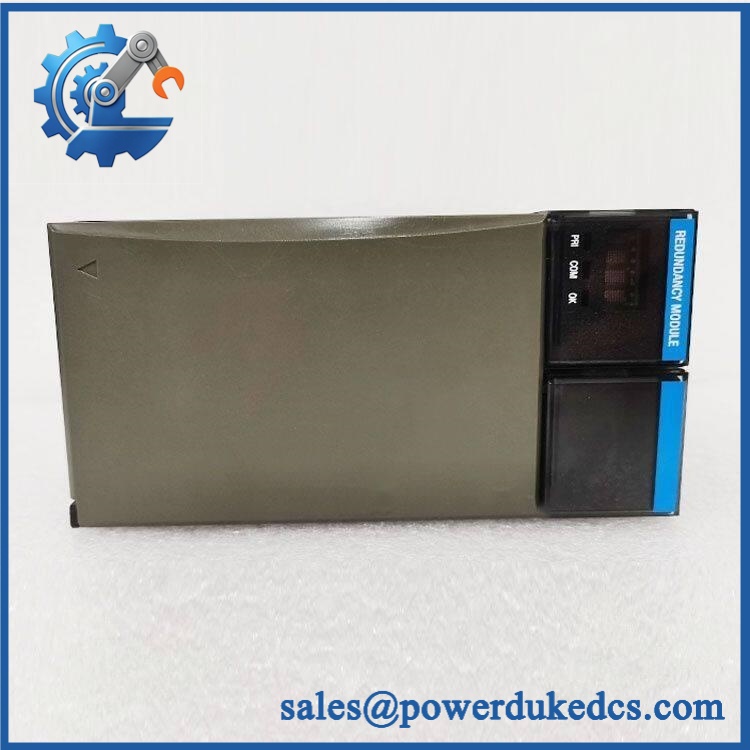
Honeywell TK-PPD011
The electrical figures above are supported by multiple independent product records, although some commercial listings contain contradictory voltage descriptions. For that reason, the Honeywell system documentation and module nameplate should control final engineering acceptance.
? Global Compliance & Industry Certifications
For a Honeywell industrial control spare of this class, the following approvals may appear depending on the exact hardware revision, manufacturing lot, and intended market:
- CE Mark: May apply to equipment placed on the European market when the applicable Honeywell product conformity requirements are satisfied.
- UL / cUL: Supplier records report UL and CSA approvals for TK- variants. Do not treat a seller’s statement as proof of a particular certification file.
- ATEX / IECEx: Do not assume hazardous-area certification merely because the module is used in oil, gas, or chemical plants. The complete certified system and installation method must be checked.
- Marine approvals: DNV GL/DNV approval should only be claimed when the exact part number and applicable certificate support it.
- RoHS: Some commercial listings report RoHS compliance, but the applicable declaration should be verified against the exact revision.
Certification affects more than paperwork. Where hazardous-location approval is actually required, the certification defines the permitted installation conditions and electrical protection concept; substituting an uncertified variant can invalidate the area’s equipment compliance.
Verify specific lot certifications with OEM.
? Long-Term Storage & Asset Preservation Guide
Keep the module ESD-protected. The TK- contains electronic circuitry and should remain in its original anti-static shielding bag whenever it is not being inspected or installed. Avoid repeatedly opening and resealing the bag in uncontrolled warehouse environments.
Control humidity. Store the spare in a clean, dry cabinet with stable temperature and preferably below 60% RH, with no condensation. This is particularly important for long-term PCB storage because moisture can affect connectors, solder joints, conformal coatings, and exposed metal surfaces.
Separate the battery from the module. Honeywell’s installation documentation states that the BEM is shipped without the battery installed. Do not improvise a battery substitution; retain the approved battery separately and record its date code and storage condition.
Before deployment, inspect the PCB area, connector surfaces, enclosure, retaining hardware, and battery interface for corrosion or contamination. Check the part number and revision against the approved spare-parts list.
Physical Installation Prerequisites
- Install the TK- only in the Honeywell controller/chassis configuration for which the BEM is approved. The installation documentation requires the planned chassis configuration to comply with Honeywell’s configuration rules.
- Maintain the cabinet’s prescribed ventilation path. Do not obstruct chassis airflow with cable bundles, packing material, or adjacent hardware.
- Provide sufficient clearance around the controller chassis for connector access and removal of the retaining hardware; do not impose a generic 50 mm clearance requirement unless the applicable Honeywell cabinet documentation specifies it.
- Apply proper ESD controls before handling the module. Honeywell specifically calls for ESD precautions during BEM installation.
- Confirm protective grounding and chassis bonding before energization.
- The BEM is a chassis-mounted Honeywell assembly, not a generic DIN-rail module. One supplier listing incorrectly describes a DIN-rail mounting method, so that claim should not override Honeywell’s installation documentation.
- Install the approved battery according to the Honeywell procedure. The battery should not be installed merely because the module is physically compatible.
Buyer’s FAQ
Q: Which HS tariff code should be used for international shipment?
A: A supplier listing reports HS code 8537101190, but HS classification is jurisdiction-specific and depends on the product’s actual function and configuration. Use the importer’s customs broker or binding tariff ruling process for the destination country rather than copying a supplier’s code.
Q: Does Country of Origin affect this spare part?
A: Yes. Commercial records commonly identify the TK- as U.S.-origin, but COO must be supported by the actual manufacturer’s documentation and shipment records. Do not copy COO from an unrelated Honeywell revision or from the seller’s warehouse location.
Q: Should shipping insurance be purchased for one module?
A: For a high-value DCS spare, yes—particularly when the shipment moves through multiple freight handlers. Record the module’s serial/part identification, photograph the packaging before dispatch, and insure against the declared commercial value and applicable transit risks.
Q: Does the TK- arrive with the latest firmware pre-loaded?
A: Firmware should not be treated as a primary specification for this module. It is a Battery Extension Module rather than a conventional programmable controller or I/O processor. More importantly, Honeywell documentation states that the BEM is shipped without the battery installed. Verify the exact hardware revision and compatibility against the target Experion chassis before installation.
Asset-control note: For receiving inspection, record the complete model, part number, hardware revision, serial number/date code where present, COO documentation, packaging condition, and battery status. That evidence is considerably more useful during a compliance audit than a generic “new Honeywell module” description.



 Start Chat


