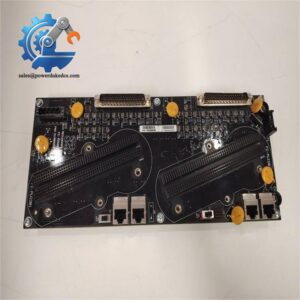
Description
-
-
Brand: Honeywell
-
Full Model Number: FC-DCOM-232/485
-
Product Type: Safety Manager serial communication interface FTA
-
Lifecycle Status: Legacy platform component; verify current OEM lifecycle designation against the exact revision
-
Core Function: Provides serial communication interfaces for approved Safety Manager configurations
-
Top 3 Technical Specs:
-
Interface standards: RS-232 and RS-485/RS-422
-
Maximum documented data rates: 250 kbaud for RS-232; 2 Mbaud for RS-485/RS-422
-
Power requirements: 5 VDC ±5%; maximum current 500 mA
-
-
Mounting: TS32 or TS35 × 7.5 DIN rail, subject to exact hardware configuration
-
Stock and Condition: Current availability, item condition, revision, and dispatch schedule confirmed against the quoted inventory lot
-
Identification Check: Verify the FC-DCOM-232/485 designation and the hardware revision on the supplied unit
-
Procurement Priority: Suitable for planned maintenance and replacement sourcing after engineering approval
Obsolescence & Supply Chain Deep Dive
When a serial communication interface fails in an installed Safety Manager system, procurement delays can extend an otherwise limited repair into a larger maintenance outage. The Honeywell FC-DCOM-232/485 serves as a communication interface FTA for approved RS-232 and RS-485/RS-422 applications. Published technical data specify a 5 VDC supply within ±5%, a maximum current draw of 500 mA, and communication rates up to 250 kbaud on RS-232 and 2 Mbaud on RS-485/RS-422. Accurate revision identification matters. Before ordering, compare the complete model designation, interface configuration, and hardware markings against the installed unit (surplus availability and dispatch timing depend on the specific inventory lot).
For an approved like-for-like replacement, retaining the existing Safety Manager installation may cost less than migrating the control architecture. The total cost of ownership (TCO) comparison should include the replacement component, freight, engineering labor, shutdown exposure, commissioning, and required safety validation. A full platform migration may also require application review, configuration changes, documentation updates, and a separately planned outage. These avoided costs can make an exact replacement economically preferable. However, the decision depends on engineering approval, remaining system support, and the condition of the available unit. A compatible-looking serial interface alone does not establish suitability for a safety-related application.
Compatibility & Replacement Matrix
The FC-DCOM-232/485 should be evaluated as a revision-specific Safety Manager component, not as a universal serial converter.
Evaluation Item
Replacement Assessment
Required Action
Replacement classification
Conditional drop-in replacement
Confirm the exact catalog designation, hardware revision, host configuration, and approved application
Software compatibility
Application-dependent
Match the communication mode, baud rate, and connected-device protocol; verify any firmware requirements in the applicable system documentation
Hardware modification
Not expected for an approved like-for-like exchange
Verify mounting, terminal assignments, cable connections, and the existing installation
Power compatibility
5 VDC ±5%; maximum specified current 500 mA
Confirm the supported supply path and available current capacity
Interface compatibility
RS-232 and RS-485/RS-422
Match the physical interface, electrical standard, and transmission configuration at both ends
Estimated replacement labor
Approximately 2–4 technician hours for a straightforward like-for-like exchange and communication checks
Treat this as a planning allowance, excluding fault isolation, access approvals, shutdown preparation, and additional validation
Cost estimation
Quote-dependent
Calculate component cost, freight, labor, outage exposure, and commissioning separately
Field Traps: Compatibility Checks Before Purchase
Revision and identification mismatch
The FC-DCOM-232/485 catalog designation is associated with Safety Manager hardware identified as FS-DCOM-232/485 in technical documentation. Conformal-coated hardware references also identify a CC V2.1 version. Compare the installed unit’s label and revision with the proposed replacement. Do not assume that different suffixes or visually similar units have identical approval status.
Serial wiring and communication configuration
RS-232 and RS-485/RS-422 have different electrical interfaces and wiring requirements. Confirm signal assignments, differential polarity where applicable, termination, grounding, cable routing, baud rate, and the required transmission mode. Documented RS-485/RS-422 operating modes include transparent, FM0, FM1, and Manchester coding. Apply only the mode supported by the installed system and connected equipment.
Safety system approval
Any replacement affecting a safety-related communication path requires the appropriate engineering review and commissioning procedure. Do not restore the channel to service based solely on successful power-up or a visual match.
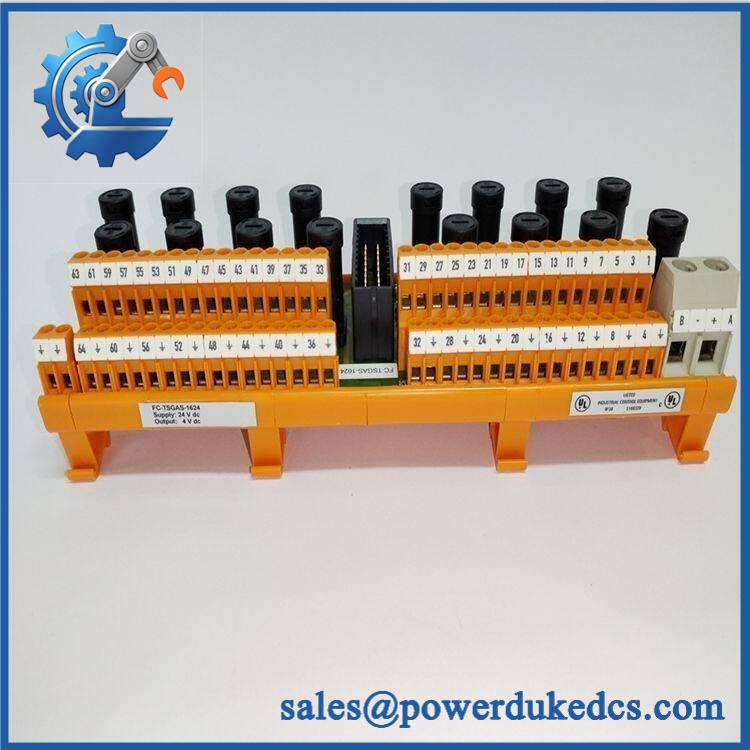
Honeywell FC-DCOM-232/485
Quality Assurance & Testing SOP
Pre-shipment inspection should establish unit identity, physical condition, electrical suitability, and communication performance. The test scope must be appropriate for the exact hardware revision and available test equipment.
QA Stage
Inspection or Test Action
Acceptance Evidence
Product identification
Conduct an OEM anti-counterfeit visual inspection of labels, part numbers, revision markings, connectors, and housing
Markings are consistent with the ordered configuration; discrepancies are recorded
Physical condition
Inspect terminals, mounting features, connectors, coating condition where applicable, and signs of corrosion or impact
No disqualifying damage, contamination, or unexplained modification
Electrical verification
Check the documented 5 VDC supply requirement within ±5% using an appropriate controlled test setup
Supply remains within the specified range; current draw does not exceed the documented 500 mA maximum under the applicable test conditions
Power-up and status
Power the unit using a compatible approved setup; inspect available Master, TxD, and RxD indicators where fitted
Observed status behavior is consistent with the applicable hardware documentation
RS-232 functional test
Verify serial transmission and reception using compatible test equipment and a supported configuration
Expected data are received without unexplained communication errors
RS-485/RS-422 functional test
Verify the applicable differential interface, polarity, termination, and supported operating mode
Stable communication under the documented test configuration
Communication load test
Run sustained serial data traffic using a compatible test arrangement; record test duration and observed errors
No unexplained data loss or communication errors during the agreed test
Final release inspection
Record the model, available revision information, test results, and pre-shipment photographs
Traceable inspection record and packaging suitable for shipment
Because this is a communication interface rather than a conventional discrete I/O card, serial transmission and reception testing is the relevant functional check instead of channel-by-channel I/O load testing. Indicator names and expected states must follow the actual revision documentation; generic ERR/RUN LED behavior should not be assumed.
Standalone bench testing also has limits. Full application validation may require the compatible Safety Manager hardware, approved system configuration, and qualified personnel. Such testing must follow the site’s safety procedures rather than bypassing protective functions.
Procurement & Lifecycle FAQ
Is the Honeywell FC-/485 genuinely in stock, and what is the emergency shipping cutoff?
Availability must be checked against the current physical inventory lot. Before issuing the purchase order, request written confirmation of quantity, condition, hardware revision, inspection status, and dispatch date.
Emergency dispatch depends on order approval, payment terms, destination, carrier collection schedules, and completion of the agreed QA checks. Obtain a specific cutoff time and committed dispatch date in the quotation rather than relying on a general same-day or next-day shipping assumption.
How do you verify the authenticity and condition of legacy or surplus units?
The procurement process should include label and revision checks, housing and connector inspection, examination for signs of modification, and functional testing appropriate to the product configuration. Request current photographs of the actual supplied unit and its identification label.
Where available and applicable, request traceability documents and a unit-specific test report. The quoted condition should distinguish new original stock from new surplus or previously used inventory; these descriptions should not be treated as interchangeable.
Are there firmware or communication compatibility issues engineers should review before issuing the purchase order?
Yes. Verify the installed Safety Manager configuration, exact interface revision, connected-device protocol, baud rate, and supported communication mode. Check electrical interface requirements and wiring assignments as well.
A firmware flash should not be assumed necessary or sufficient. Any revision-specific firmware requirements must be established from the applicable system documentation and reviewed by the responsible controls or safety engineer.
What warranty terms and return policies apply?
The warranty period, coverage, exclusions, and return eligibility should be documented in the supplier’s quotation or pro forma invoice before purchase. Confirm the reporting deadline for defective-on-arrival claims and the evidence required for an assessment.
Returns should be authorized through an agreed return merchandise authorization (RMA) process. Preserve the original labels, serial or revision markings, packaging, and test records so that the supplied unit can be matched to the order.
What information should procurement provide to reduce replacement risk and total cost?
Provide the installed model and hardware revision, clear label photographs, the Safety Manager configuration, the connected serial interface type, required quantity, destination, and target delivery date.
For safety-related applications, engineering should also confirm the approved replacement configuration and commissioning requirements. With these details established before ordering, procurement can compare inventory options on a consistent basis, reduce the risk of receiving an unsuitable revision, and estimate the complete replacement cost rather than the component price alone.
-