

Description
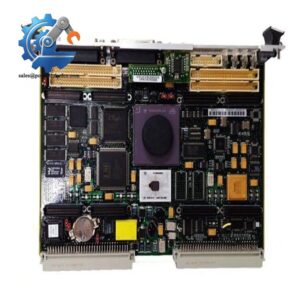
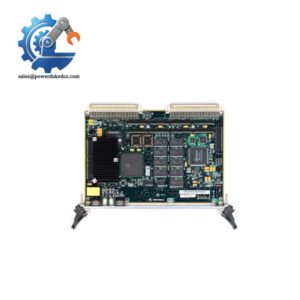
- Motorola MVME6100 | OEM Tested Automation Spare
Unboxing & Physical Snapshot
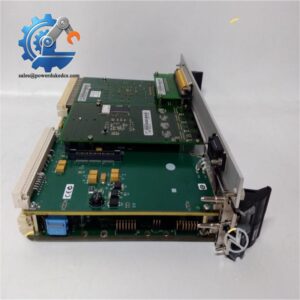
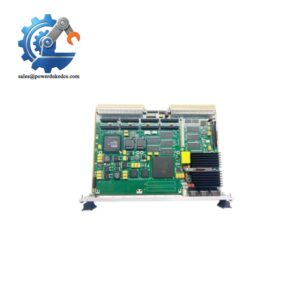
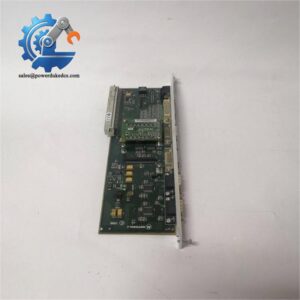
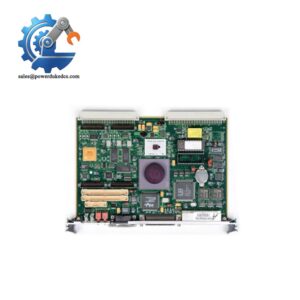
- Brand & Model: Motorola MVME6100 VME Single Board Computer
- Approximate Physical Dimensions: 9.2 × 6.3 × 0.8 in (233 × 160 × 20 mm)
- Estimated Shipping Weight: Approximately 2.0–3.0 lb (0.9–1.4 kg), depending on memory configuration and packaging
- Form Factor: 6U VMEbus single-board computer
- Processor Assembly: Embedded PowerPC processor architecture (configuration dependent)
- Front Panel Features: Metal faceplate, status LEDs, ejector handles, serial/network interface access points (variant dependent)
- Cooling Features: Passive heat spreader and conduction/convection cooling paths through chassis airflow
- What’s in the Box:
- Motorola MVME6100 processor board
- Anti-static ESD shielding bag
- Protective foam inserts
- Factory packaging when supplied sealed
- Documentation or configuration labels if provided with the unit
Product Introduction
The Motorola MVME6100 is designed to mount directly into a 6U VME chassis ecosystem where the backplane, power supply, cooling arrangement, and peripheral boards operate as one controlled hardware platform. The board slides into card guides, aligns through the ejector handles, and locks into the VME connector assembly at the rear (proper alignment prevents damage to the high-density connector pins).
This single-board computer is commonly maintained as a critical automation spare because processor modules can become difficult to replace after system production cycles mature. Verify the exact board revision before deployment. Memory size, processor speed, firmware image, and I/O configuration may differ between assemblies that share the MVME6100 family identifier.
Core Technical Specifications
| Parameter | Value |
|---|---|
| Manufacturer | Motorola Computer Group |
| Model Number | MVME6100 |
| Product Type | VME Single Board Computer |
| Bus Architecture | 6U VMEbus |
| Processor Family | PowerPC architecture (specific CPU varies by revision) |
| Memory Capacity | Configuration dependent |
| Flash Memory | Configuration dependent |
| Operating System Support | Application dependent (for example VxWorks, Linux, or embedded environments) |
| Rear I/O Support | Available through compatible VME backplane configurations |
| Power Input | VME backplane supplied |
| Typical Power Consumption | Approximately 25–50 W depending on processor and installed options |
| Heat Dissipation | Requires chassis airflow management; verify system thermal design |
| Cooling Method | Forced-air or chassis-directed convection cooling |
| PCB Construction | Multi-layer industrial-grade PCB assembly |
| Mounting Method | 6U VME card cage installation |
| ESD Protection | Required during handling |
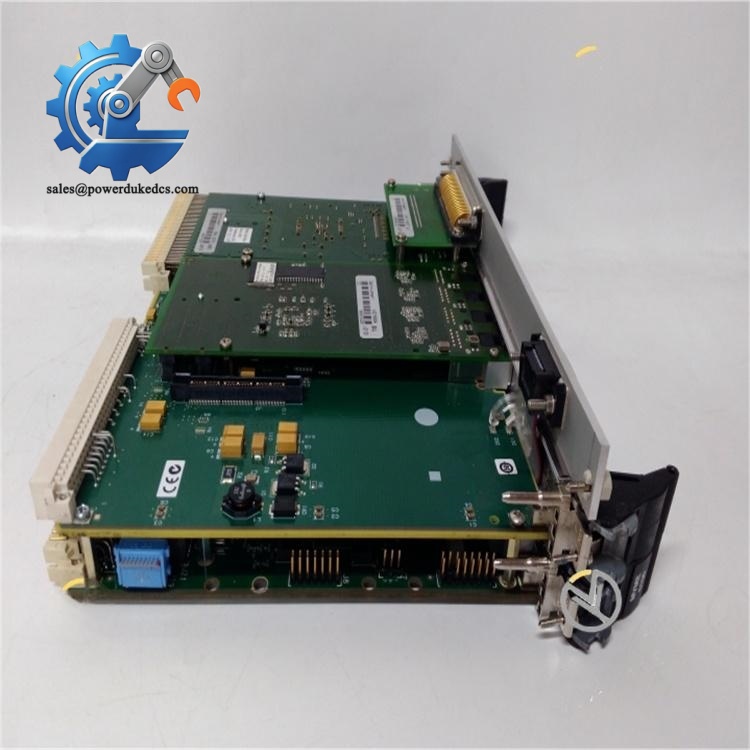
Motorola MVME6100
Global Compliance & Industry Certifications
Expected regulatory approvals for Motorola -class industrial computing hardware may include:
- CE Mark — indicates conformity with applicable European directives when the product is installed according to approved conditions.
- UL/cUL Listed — may apply to specific configurations and complete equipment assemblies.
- RoHS Compliance — applicable to certain production periods and hardware revisions.
- IEC electrical safety evaluations — dependent on system-level certification.
- ATEX/IECEx — not typically a standalone board certification; applicability depends on the complete hazardous-area enclosure and system approval.
- Marine approvals such as DNV GL — possible only for specifically qualified systems.
A certification such as UL/cUL matters because it provides documented evidence that electrical safety requirements were evaluated under recognized standards. It does not replace correct cabinet design, grounding, or environmental controls.
Verify specific lot certifications with OEM.
Long-Term Storage & Asset Preservation Guide
- Keep the inside the original ESD shielding bag until installation. The gold-plated connector contacts and exposed board surfaces can degrade when repeatedly handled in uncontrolled warehouse environments.
- Maintain storage humidity below 60% RH and avoid locations near chemical storage, salt air, or airborne contaminants (connector oxidation is a common failure source for aging VME equipment).
- Inspect onboard batteries, if equipped by the specific revision, during periodic warehouse audits. Replace aging cells before deployment to prevent leakage damage to nearby components.
- Store the board flat with protective cushioning around the faceplate and ejector handles. Do not stack heavy hardware directly on top of the PCB assembly.
- Before field installation after extended storage, perform a visual inspection under proper lighting. Check the retaining clips, connector edge fingers, and heat spreader surfaces for corrosion or mechanical damage.
Physical Installation Prerequisites
- Install the only into a compatible 6U VME chassis and approved backplane configuration.
- Maintain at least 50 mm (2 in.) clearance above and below the installed board area where convection or forced-air cooling depends on cabinet airflow.
- Confirm chassis airflow direction before installation. Blocked intake paths can increase processor temperature and shorten component life.
- Verify protective earth bonding between the chassis frame and facility grounding system.
- Use ESD protection during handling. Ground yourself before touching the PCB or connector contacts.
- Insert the board evenly using the card guides and ejector handles. Do not push directly on components, connectors, or the anodized heatsink.
Buyer’s FAQ (Logistics & Compliance Focus)
Q: What HS Tariff Code should be used for international shipment of an ?
A: Classification depends on the importing country’s interpretation of the hardware function. VME processor boards may fall under electronic computing or control equipment tariff categories, often evaluated around HS headings such as 8471 or 8537 depending on configuration. Confirm with a customs specialist before shipment.
Q: Does the Country of Origin affect purchasing approval?
A: Yes. COO information affects customs declarations, duty calculations, and certain industrial procurement controls. Preserve original labels, manufacturer documentation, and supplier traceability records.
Q: Is shipping insurance necessary for this type of spare?
A: Recommended. A VME processor board contains dense semiconductor assemblies that can suffer hidden impact damage even when external packaging appears intact. Insure shipments based on replacement cost, not scrap value.
Q: Does the include the latest firmware pre-loaded?
A: Firmware depends on the specific board revision and previous service history. A factory-sealed unit may contain the original release image rather than the latest approved version. Verify firmware compatibility with the target application before installation.


 Start Chat