

Description
- Brand: TRICONEX
- Full Model Number: 3008
- System/Series Family: Tricon v9.6 and later Main Processor System
- One-Sentence Core Function: Main processor module that independently executes the Tricon safety application and communicates with the I/O subsystem
- Top 3 Hardcore Specs: 16 MB DRAM; 50 MHz Motorola MPC860 processor architecture; 25 Mbps TriBus communication
- Stock Status: New Surplus / Fully Tested Refurbished — verify firmware revision and hardware revision before shipment
Module 3: Technical Product Introduction
A failed main processor in a Tricon safety system does not necessarily mean an immediate process trip, but it does remove one member of the fault-tolerant processor set and must be addressed before redundancy is further degraded. The TRICONEX 3008 is the Main Processor (MP) for Tricon systems running version 9.6 and later. Three main processors are installed in the main chassis, with each processor independently communicating with the I/O subsystem and executing the user-written control program. The published Tricon technical guide specifies 16 MB of DRAM for the 3008.
The processor architecture combines an MPC860-based 32-bit processing platform with dedicated memory for the control program, sequence-of-events data, I/O data, diagnostics, and communication buffers. Published technical records specify a 25 Mbps TriBus, while the processor also provides the interfaces required for TriStation engineering access and system communications. The 3008 is therefore not a generic PLC CPU; its compatibility depends on the Tricon chassis, system version, processor revision, and installed application environment.
Module 4: Application Scenarios & Field Realities
- Inside a Tricon SIS main chassis, the 3008 operates as one of the three main processors. Each MP executes the control application independently, so a single processor fault can be tolerated by the remaining processor set while the failed module is being replaced.
- During a shutdown or online maintenance window, confirm the Tricon system version before installing a spare. The documented 3008 processor is intended for Tricon v9.6 and later, so a model-number match alone does not establish system compatibility.
- When a processor reports a diagnostic or fault condition, inspect the chassis slot, processor status indicators, backplane connections, and system diagnostics before assuming that the CPU silicon itself has failed. Tricon architecture gives the maintenance engineer several diagnostic paths through the remaining healthy processors and the engineering interface.
- For systems being migrated to newer Tricon releases, retain the existing 3008 configuration information. Schneider documentation describes the later 3009 processor as the upgrade path from Tricon 10.3–10.5 systems using 3008 processors to Tricon 11.2 systems, including online upgrade capability. A 3008 replacement should therefore not be confused with a platform-upgrade decision.
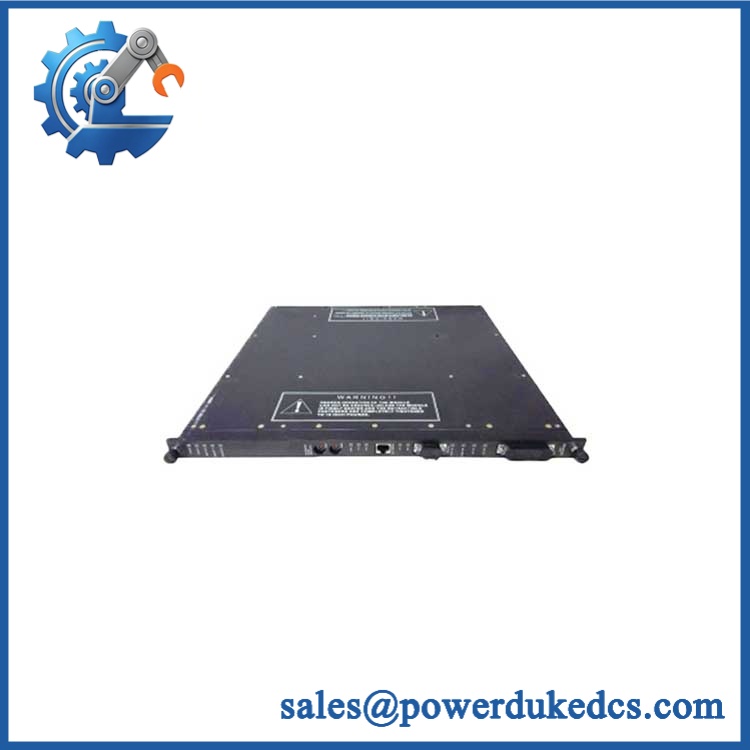
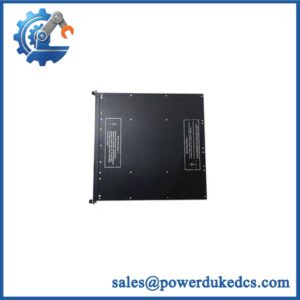
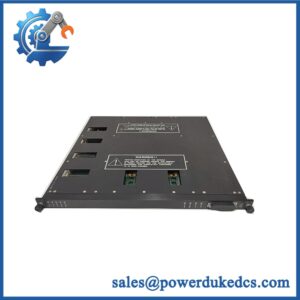
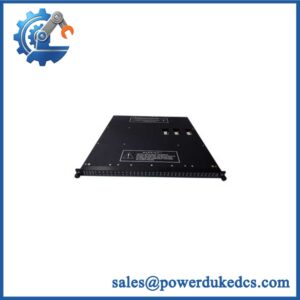
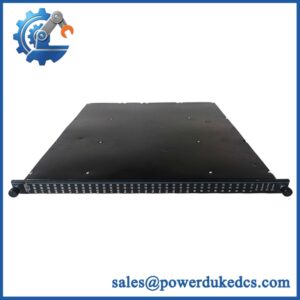
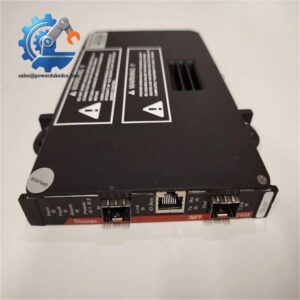
TRICONEX 3008
Module 5: Migration, Compatibility & Installation Traps
Replacement Matrix
| Replacement Type | Assessment |
|---|---|
| Drop-in Replacement | Conditional — suitable for an exact 3008 replacement within a compatible Tricon system revision and chassis |
| Software Compatible | Conditional — verify Tricon release, firmware, application configuration, and TriStation environment |
| Hardware Modification Required | Normally no for a like-for-like 3008 replacement; chassis slot, processor revision, and system architecture must match |
⚠️ Field Traps — Watch Out
1. System-version mismatch.
The 3008 is documented for Tricon v9.6 and later. Do not treat it as universally interchangeable across every Tricon generation.
2. One processor does not represent the entire TMR system.
Three MPs are required in the main chassis. Replacing one processor restores redundancy only when the remaining MPs, chassis, firmware, and application environment are healthy and compatible.
3. Do not copy generic PLC communication specifications into the PDP.
The 3008 has Tricon-specific communication architecture, including TriBus and the engineering interface. It should not be described simply as a generic Modbus, Profibus, or EtherNet/IP CPU without confirming the actual communication hardware and application configuration.
4. Verify the exact hardware revision before online replacement.
Later processor generations, including the 3009, support migration from selected 3008-based systems. That does not make every 3008 revision interchangeable with every newer processor.
Module 6: Quality Assurance SOP
- OEM anti-counterfeit visual inspection — inspect TRICONEX/Invensys identification, 3008 model marking, assembly labels, PCB revision, connectors, locking hardware, and visible manufacturing details.
- Exact part-number verification — confirm 3008 against the purchase order, physical label, and inventory record.
- System-family verification — confirm the intended installation is a compatible Tricon system, with particular attention to the documented v9.6-and-later requirement.
- Hardware-revision record — photograph and record all board revision, firmware, serial, and manufacturing-code information before functional testing.
- Mechanical inspection — examine chassis connectors, board edge contacts, ejectors, guide hardware, and PCB surfaces for corrosion, bent contacts, contamination, or impact damage.
- Power-on self-test (POST) — energize the processor in a compatible Tricon test chassis and record startup diagnostics, status indicators, current behavior, and abnormal temperature rise.
- Memory verification — run an approved memory diagnostic against the processor’s documented 16 MB DRAM resource. Record any parity, memory, or diagnostic errors rather than assigning a generic pass result.
- Processor diagnostic verification — execute the applicable Tricon MP diagnostic suite and confirm that the processor reaches normal operating status.
- TriBus verification — connect the processor to a compatible test chassis and verify stable communication with the required I/O subsystem over the documented TriBus interface. Published records specify a 25 Mbps TriBus communication rate.
- TriStation communication handshake verification — establish the engineering connection through the supported interface and confirm module identification, diagnostics access, and approved application transfer functions.
- TMR synchronization verification — where the test fixture permits, install the processor alongside compatible healthy MPs and verify correct synchronization, processor health reporting, and consistent control-state behavior.
- Application-level validation — load or execute an approved test application and verify control-program execution, I/O data handling, diagnostics, and sequence-of-events data behavior.
- Final QC and packaging — document the exact model, hardware/firmware revision, diagnostic results, TMR test status, photographs, ESD protection, and packaging condition before shipment.
Engineering note: The strongest available documentation identifies TRICONEX 3008 as the Main Processor Module for Tricon v9.6 and later systems, with 16 MB DRAM and a three-MP architecture in the main chassis. Public technical records also identify a 25 Mbps TriBus and an MPC860-based processing architecture. Because Tricon processor compatibility is tightly tied to system revision and firmware, the installed system version should be verified before approving any 3008 replacement.



 Start Chat