

Description
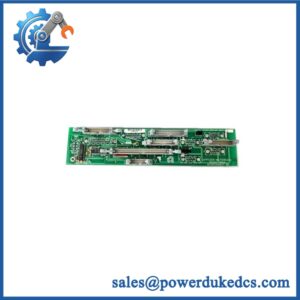
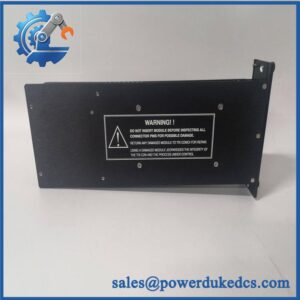
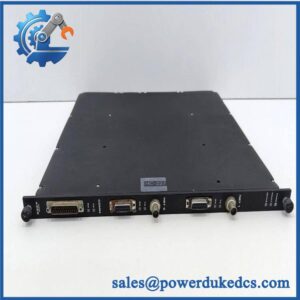
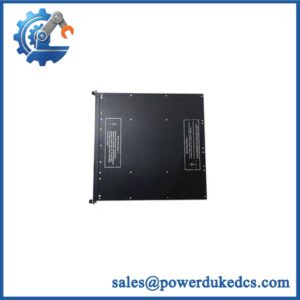
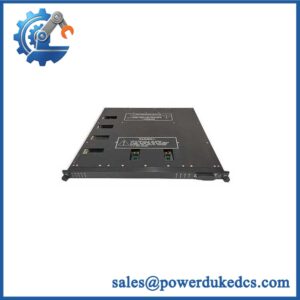
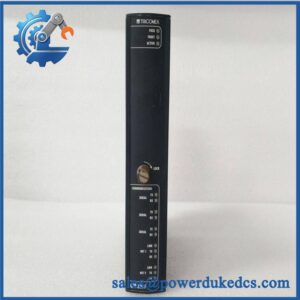
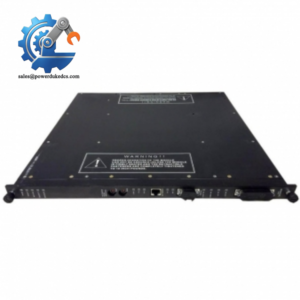
Unboxing & Physical Snapshot
- Model & Brand: Triconex 4329G — Network Communication Module (NCM) for Tricon fault-tolerant controller systems.
- Primary Function: Provides Ethernet-based communication between Tricon controllers and external hosts, while supporting Triconex communication protocols. The documented 4329/4329G specification identifies two BNC Ethernet ports and one RS-232-compatible serial port.
- Physical Dimensions: Exact W × H × D should be taken from the applicable Tricon chassis mechanical drawing. Do not use a reseller’s shipping-carton dimensions as the module envelope.
- Estimated Shipping Weight: Approximately 0.8–1.2 kg gross is a reasonable freight-planning allowance for one protected module; verify the actual packed weight before issuing a freight quotation.
- What’s in the Box: 4329G NCM and protective ESD packaging when supplied as a standalone spare. BNC cables, 50-ohm RG58 coaxial cable, connectors, external transceivers, and termination accessories are not automatically included.
- Receiving Inspection: Record model number, serial number, hardware revision, front-panel condition, PASS/FAULT/ACTIVE LEDs, TX/RX indicators, BNC connectors, and any certification markings.
Product Introduction
Architecture Hook
The 4329G sits at the communication boundary of a Tricon safety controller rather than functioning as an ordinary PLC I/O card. It provides two 10 Mbps Ethernet ports using BNC connections and supports communication between Tricon systems and external hosts through the documented Triconex network architecture.
Network segregation matters here. NET 1 is associated with Peer-to-Peer and time-synchronization functions for Tricon safety networks, while NET 2 supports external-host applications such as TriStation and other Triconex communication services. Two NCMs can occupy one logical slot, but the documentation states that they operate independently rather than as hot-spare modules.
Core Technical Specifications
| Parameter | Value |
|---|---|
| Manufacturer | Triconex / Invensys |
| Model | 4329G |
| Product Type | Network Communication Module (NCM) |
| Applicable System | Tricon fault-tolerant controller |
| Ethernet Interface | 2 × BNC |
| Ethernet Standard | IEEE 802.3 |
| Cable Type | RG58, 50-ohm thin coaxial cable |
| Communication Speed | 10 Mbps |
| External Transceiver Ports | 2 × 15-pin D connectors; reserved/not used in the documented configuration |
| Serial Interface | 1 × RS-232-compatible port |
| Port Isolation | 500 VDC |
| Protocols | Peer-to-Peer, Time Synchronization, TriStation, TSAA |
| Status Indicators | PASS, FAULT, ACTIVE |
| Network Indicators | TX/RX for each network port |
| Logic Power | <20 W |
| Mounting | Tricon chassis module slot |
| Application | Tricon controller networking and external host communication |
| System Compatibility | Documented with Tricon v9–v11; specific revision compatibility must be checked |
| Firmware | Hardware/system revision dependent |
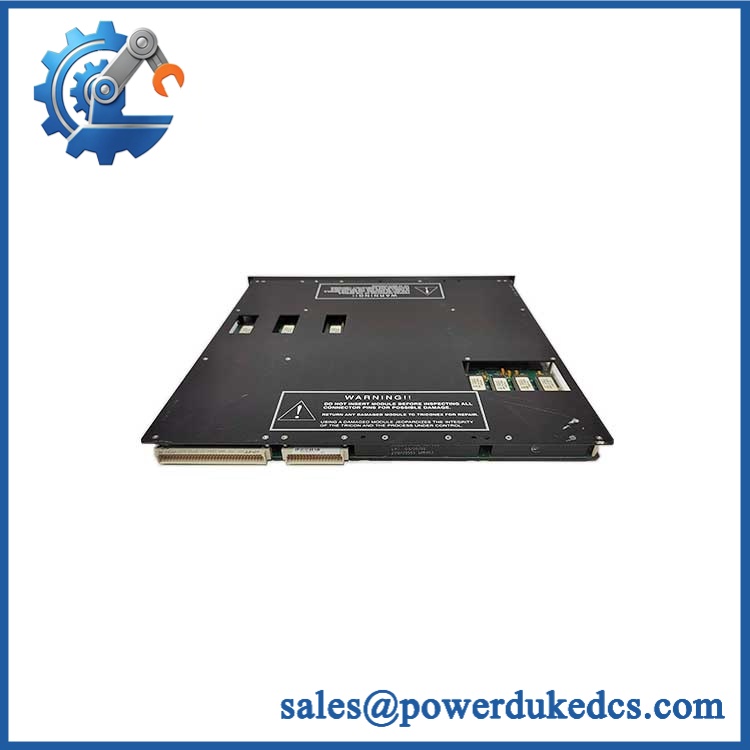
Triconex 4329G
The published Tricon documentation groups 4329 and 4329G under the NCM specification and specifies two BNC Ethernet ports, 500 VDC port isolation, 10 Mbps communication, and less than 20 W of logic power.
One caution deserves emphasis: some secondary reseller pages incorrectly describe the 4329G as a 24 VDC digital input module. That classification conflicts with the Tricon technical documentation, which identifies 4329/4329G as Network Communication Modules. Use the OEM-style NCM classification for the controlled asset record.
? Global Compliance & Industry Certifications
- CE Mark: Verify the applicable Tricon system declaration and the certification status of the exact 4329G hardware revision.
- UL/cUL: Confirm UL/cUL recognition against the applicable Tricon system certification documentation. Do not infer certification from the model number alone.
- ATEX/IECEx: Do not classify the 4329G itself as hazardous-area equipment without an applicable certificate covering the complete installation.
- Marine Approvals: DNV, ABS, or Lloyd’s Register approval must be verified against the exact Tricon system configuration before marine or offshore deployment.
- EMC: The communication module is part of a larger control-system EMC design. Shielding, cabinet bonding, cable routing, and correct termination of the coaxial network are important.
- Functional Safety: The 4329G supports communications within a Tricon safety-controller architecture, but it does not independently establish the SIL capability of a safety instrumented function. The complete SIF must be assessed.
- Network Segregation: NET 1 and NET 2 have different documented communication roles. Improper network connection can compromise the intended architecture and should be controlled through the approved system design.
- Audit Record: Retain the nameplate, serial number, hardware revision, Tricon system revision, network configuration, and applicable certification documents.
Verify specific lot certifications with OEM.
? Long-Term Storage & Asset Preservation Guide
- Keep the 4329G in its original ESD shielding bag. Pay particular attention to the BNC connectors and rear backplane connector; contamination or mechanical damage at either interface can prevent reliable communication after installation.
- Control warehouse humidity. Maintain a clean environment, preferably below 60% RH, with stable temperature and no condensation. Coaxial connectors and PCB contacts should not be exposed to repeated humidity cycles.
- Protect the BNC interfaces mechanically. Retain original connector caps where available. Never stack heavy modules against the front panel or allow packaging material to press directly against the BNC connectors.
- Preserve network configuration records. Store the module identity together with Tricon system version, network role, IP/communication configuration where applicable, and the approved NET 1/NET 2 connection architecture. A physically good communication module can still be unusable if its system configuration is wrong.
Physical Installation Prerequisites
- Chassis Mounting: Install the 4329G only in the appropriate Tricon chassis/module location. Align the module with the chassis guide rails before engaging the backplane connector.
- Mechanical Security: Secure the module using the designated captive fasteners. Proper fastening also contributes to chassis grounding.
- Network Cabling: Use the specified 50-ohm RG58 coaxial cable and compatible BNC termination arrangement for the documented Ethernet interface.
- Network Segregation: Verify NET 1 and NET 2 connections against the approved Tricon network architecture before connecting cables.
- Clearance: Maintain the manufacturer’s required front and rear chassis service clearance. Do not obstruct the chassis cooling path with cable bundles.
- Grounding: Verify protective-earth continuity between the Tricon chassis, cabinet, and associated communication infrastructure.
- Hot Replacement: Tricon systems support online maintenance procedures for applicable modules, but do not treat hot replacement as permission to remove the 4329G without following the site’s approved Tricon maintenance procedure.
- Commissioning: Check PASS/FAULT/ACTIVE status, TX/RX activity, network communication, Peer-to-Peer functions, time synchronization where applicable, and external-host communications before returning the system to service.
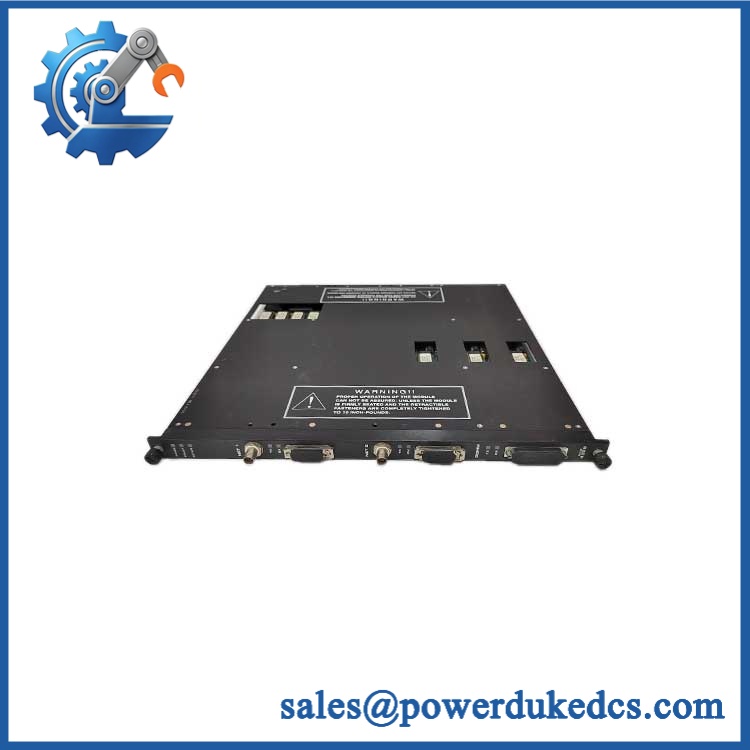
Triconex 4329G
Buyer’s FAQ
Q1. What HS tariff code should be used for the Triconex 4329G?
Do not assign an HS code solely from the model number. The 4329G is a specialized industrial network communication module for a safety controller, and the final classification depends on its technical function and the importing country’s tariff schedule.
Have the customs broker confirm the classification before the commercial invoice is issued. The technical description should identify the unit as a Network Communication Module (NCM) rather than a digital input card.
Q2. Does Country of Origin affect this shipment?
Yes. COO can affect duty rates, preferential tariff treatment, origin declarations, and trade-compliance screening.
Some reseller records identify the 4329G as U.S. origin, but that information should not become a controlled ERP attribute without documentary evidence. Confirm COO from the physical nameplate, OEM documentation, or supplier Certificate of Origin.
Q3. Should shipping insurance be purchased?
For a Tricon safety-system communication module, insurance should be evaluated against replacement cost and process downtime exposure rather than freight weight alone. The BNC connectors and PCB assembly require protection against impact and ESD during international transportation.
Photograph the serial number, faceplate, BNC connectors, captive screws, and packaging before dispatch. Use rigid cushioning and an ESD shielding bag.
Q4. Does the 4329G include the latest firmware pre-loaded?
Do not assume it does. The 4329G is a system-dependent communication module, and compatibility must be checked against the installed Tricon version and communication architecture.
At receiving inspection, record the hardware revision and serial number. Then verify compatibility with the target Tricon system before installation; do not release the spare solely because the model number matches.
Asset-control note: Maintain TRICONEX 4329G as a Network Communication Module, not a digital input module. The OEM-style technical documentation groups 4329 and 4329G under the NCM specification, with two 10 Mbps BNC Ethernet interfaces, RS-232 capability, and Triconex communication protocols.


 Start Chat