

Description
- Brand: GE Fanuc / VMIC
- Full Model Number: VMIVME-7697-850ASSY / 332-000395-000B
- System/Series Family: VMIVME-7697 VMEbus Single-Board Computer
- One-Sentence Core Function: Dual-slot 6U VMEbus single-board computer providing Pentium III processing and VMEbus control for embedded industrial and real-time applications
- Top 3 Hardcore Specs: 850 MHz Pentium III; up to 512 MB SDRAM platform capacity; VME64 A32/A24/D32/D16/D08 and MBLT64 support
- Stock Status: New Surplus / Fully Tested Refurbished — exact processor configuration and assembly identifier verified before shipment
Module 3: Commercial-Technical Deep Dive
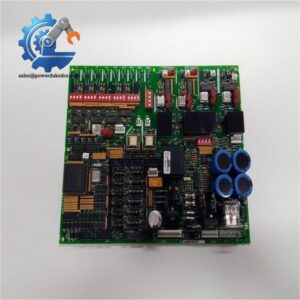
When a legacy VME control chassis loses its host CPU, replacing individual I/O cards will not restore the application. The GE Fanuc VMIC VMIVME-7697-850 is a Pentium III processor-based VMEbus single-board computer, built as a dual-slot 6U VMEbus board. The documented 850 version uses an 850 MHz Pentium III processor, while the VMIVME-7697 family provides VMEbus system-controller, interrupt, DMA, PCI-to-VME bridging, local RAM, mailbox, and PC/AT functions. The board uses the Tundra Universe II PCI-to-VMEbus bridge, giving the host CPU direct access to the VMEbus environment.
The hardware is designed for embedded systems that still depend on VMEbus rather than modern PCIe-based control architectures. The VMIVME-7697 platform supports up to 512 MB SDRAM, has 128 KB battery-backed SRAM, three programmable 32-bit timers, a software-selectable watchdog with reset, Ethernet boot capability, two high-performance 16550-compatible serial ports, USB, SVGA, and optional flash or storage interfaces depending on the exact order configuration. The available specification for VMIVME-7697-850 identifies 128 MB RAM and no flash memory for one documented configuration, so the physical memory population and assembly number 332-000395-000B should be checked before publication or replacement approval.
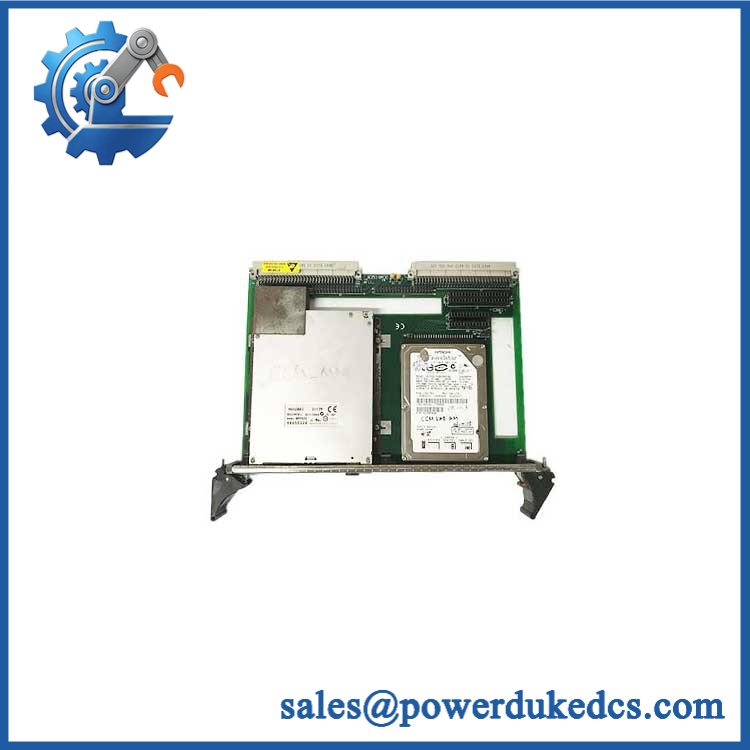
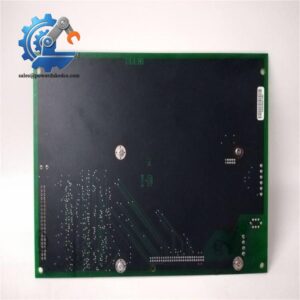
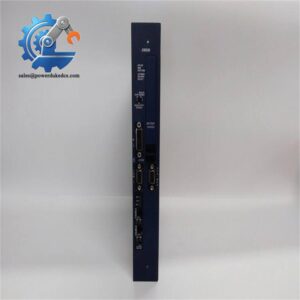
GE VMIVME-7697-850ASSY.332-000395-000B
Module 4: Compatibility & Installation Traps
Migration/Compatibility
- Replacement status: Configuration-specific VMEbus single-board computer assembly.
- Processor configuration: The -850 version is associated with an 850 MHz Pentium III processor.
- Bus architecture: Dual-slot 6U VMEbus board requiring a compatible P1/P2 VMEbus backplane.
- Firmware/BIOS: A hardware replacement should be matched to the existing BIOS, operating system, VME driver stack, and application environment. Do not assume a different 7697 configuration will boot the installed application without validation.
- Logic rewrite: Normally not required for a hardware-for-hardware replacement, but VME address maps, Universe II configuration, interrupt behavior, DMA settings, and application drivers must be validated.
- Assembly identification: Match 332-000395-000B as well as -850. An 850 MHz CPU alone does not establish assembly-level interchangeability.
⚠️ Field Traps (Watch Out)
- Memory configuration mismatch: The family supports multiple SDRAM configurations, while one documented 850 MHz unit is listed with 128 MB RAM and no flash. Verify the actual memory population and storage hardware before replacement.
- VME slot requirements: The manual specifies a two-slot 6U VME installation and requires a dual P1/P2 backplane. Do not install the board into a single-slot or incompatible backplane configuration.
- Cooling: The requires forced-air cooling. Inadequate airflow can create CPU instability or thermal faults during sustained operation.
- System-controller position: If configured as the VMEbus system controller, the board must occupy the appropriate first-slot position; if another system controller is present, slot selection changes. The manual explicitly distinguishes these installation cases.
- Universe II configuration: The PCI-to-VME bridge controls address windows, interrupts, DMA, and VME master/slave functions. A board that boots correctly can still fail the application when Universe configuration or driver settings do not match the original system.
- ESD and power isolation: Power must be removed before installing or removing the board. The VMIC installation procedure explicitly states not to install or remove the while power is applied.
Module 5: Quality Assurance SOP
Our pre-shipment inspection for a GE Fanuc VMIVME-7697-850ASSY.332-000395-000B focuses on CPU hardware identity, memory configuration, VMEbus operation, and thermal stability:
- OEM anti-counterfeit visual inspection — verify GE Fanuc/VMIC markings, identification, 332-000395-000B assembly number, revision labels, PCB artwork, connectors, and manufacturing markings.
- Assembly identity capture — photograph all labels, processor markings, memory modules, storage devices, and VME connector areas.
- Processor verification — confirm the installed CPU corresponds to the documented 850 MHz Pentium III configuration.
- Memory verification — inspect installed SDRAM capacity and confirm that the board configuration matches the ordered assembly. Do not assume every -850 board contains identical RAM.
- Storage verification — confirm whether flash or other storage hardware is fitted; one documented -850 configuration is specified as having no flash memory.
- Mechanical inspection — check VME card guides, P1/P2 connectors, front-panel interfaces, heatsink, board fasteners, and signs of corrosion or impact.
- Power-on self-test (POST) — install the board in a compatible VME chassis and verify BIOS startup, processor initialization, memory detection, and diagnostic messages.
- VMEbus handshake verification — establish communication with a controlled VMEbus test environment and verify master/slave access.
- Universe II interface test — validate representative VME address windows, byte/word swapping, interrupts, and DMA functions using an approved test program. The Universe II bridge provides these core VME interface functions.
- Local-memory test — execute controlled read/write testing on system RAM and the documented battery-backed SRAM.
- Peripheral-interface verification — test representative serial, Ethernet, USB, video, and other fitted interfaces according to the actual assembly configuration.
- Watchdog test — verify the software-selectable watchdog and reset behavior using a controlled diagnostic procedure.
- Thermal endurance test — operate the board continuously in a forced-air VME chassis while monitoring CPU temperature, system stability, and fan performance.
- Operating-system boot test — where the customer’s environment permits, boot the specified operating system or approved diagnostic image and verify application-driver loading.
- Configuration record — document CPU speed, RAM capacity, storage population, BIOS revision, operating system, VME test results, Universe II configuration, and photographs.
- Final ESD packaging — protect the VME connectors, front-panel interfaces, and PCB against ESD, dust, moisture, and mechanical impact before shipment.
The original documentation supports the key architectural checks: dual-slot 6U VMEbus construction, Universe II PCI-to-VME bridging, programmable VME addressing and interrupts, DMA, local RAM/mailbox access, and forced-air cooling.
Module 6: CRO-Driven Buyer FAQ
1. Is GE -850ASSY.332-000395-000B obsolete?
The is a legacy VMIC/GE Fanuc VMEbus computer family, and the documented 7697 hardware is now maintained primarily as installed-base equipment and replacement inventory. The -850 configuration is specifically associated with the 850 MHz Pentium III version.
2. What processor does -850 use?
The documented configuration uses an 850 MHz Pentium III processor. The broader family was available in multiple processor and memory configurations, so the complete suffix and assembly number should be matched before replacement.
3. How much RAM does the 850 version have?
The platform supports up to 512 MB SDRAM, but a documented unit is specified with 128 MB RAM and no flash memory. Because configurations vary, verify the physical memory population on 332-000395-000B before treating 128 MB as a guaranteed specification for every assembly with the -850 designation.
4. Can the -850 be hot-swapped?
No routine hot-swap should be assumed. The VMIC installation instructions explicitly state that the board must not be installed or removed while power is applied. The system should be powered down and the VME chassis isolated according to the site’s maintenance procedure before handling the board.
5. What backplane and cooling does the require?
It uses a dual-slot 6U VMEbus form factor and requires a P1/P2 VMEbus backplane. The manual also specifies forced-air cooling and recommends airflow management with blank panels around open chassis positions.
6. What warranty and technical support should I expect?
Warranty duration should be stated on the quotation for the exact physical assembly supplied. Technical support should cover processor and RAM identification, VMEbus compatibility, BIOS and driver checks, Universe II configuration, installation guidance, and documented pre-shipment testing. It should not substitute for VME application engineering, operating-system integration, or system commissioning.



 Start Chat