

Description
- Brand: ALSTOM
- Full Model Number: 029.148.906
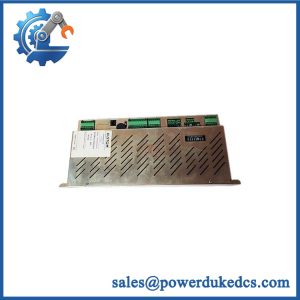
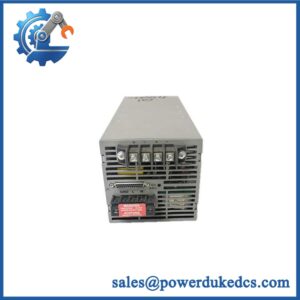
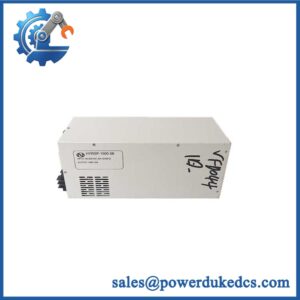
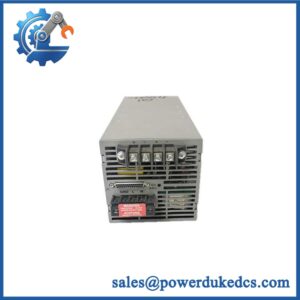
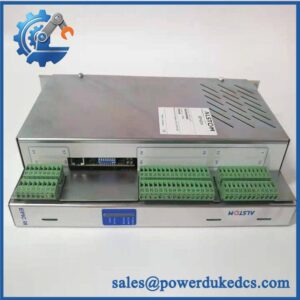
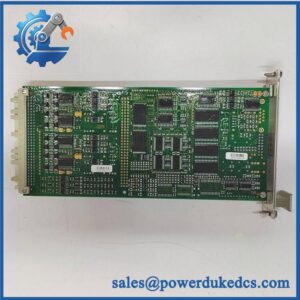
- Product Type: Power Board Assembly
- System/Series Family: Size 4/2 Power Control Assembly
- Core Function: Provides power-control circuitry for compatible industrial electrical equipment
- Top 3 Hardcore Specs: Size 4/2 | 178–225 kVA class | Power board assembly
- Power Rating: 178–225 kVA class
- Board Type: Power board
- Application: Industrial power-control equipment
- Stock Status: New surplus / condition to be confirmed per available unit
Module 3: Technical Product Introduction
When a high-power industrial system loses its power-control board, replacing the entire assembly is often unnecessary if the surrounding equipment remains serviceable. ALSTOM 029.148.906 is identified in available parts references as a POWER BOARD, SIZE 4/2, associated with equipment in the 178–225 kVA range. The part number is also cross-listed in industrial spare-parts databases under the CEGELEC/ALSTOM equipment family.
The most useful confirmed specification is its Size 4/2, 178–225 kVA class designation. Available sources do not provide enough reliable information to assign a definitive input voltage, output voltage, semiconductor topology, terminal configuration, or detailed circuit function to 029.148.906. That distinction matters when sourcing legacy power electronics. A board with the same physical dimensions is not necessarily electrically interchangeable.
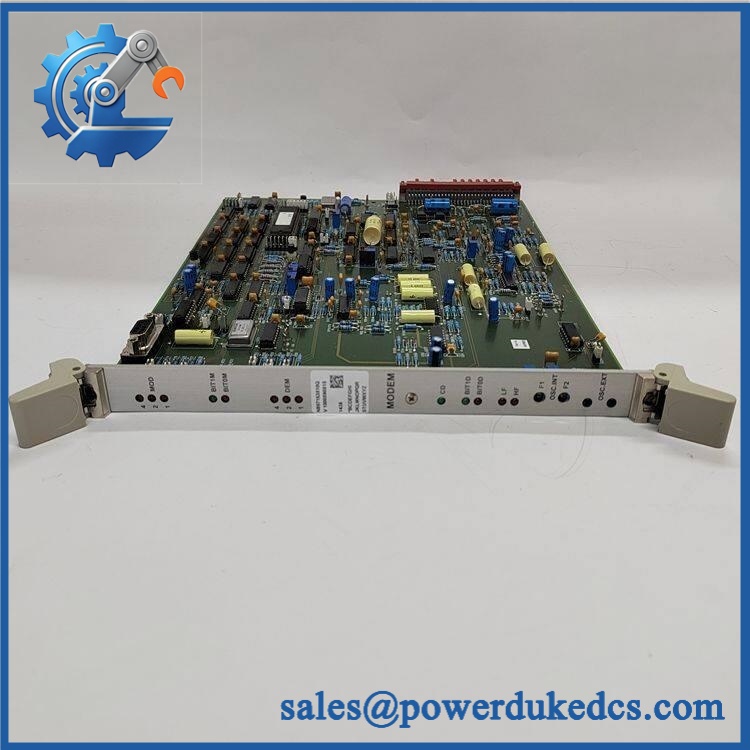
ALSTOM 029.148.906
Module 4: Application Scenarios & Field Realities
- In high-power industrial drive or power-conversion equipment, a board-level failure can interrupt operation even when the main power components remain intact. Verify the surrounding thyristor/semiconductor stage and auxiliary supplies before installing a replacement board.
- For equipment operating in the 178–225 kVA range, the Size 4/2 classification provides an important starting point for identification. The actual equipment model should still be matched before approving the replacement.
- During a planned maintenance shutdown, photograph connector locations and cable routing before removing the original board. Power-electronics cabinets frequently contain multiple harnesses with similar connectors.
- If the original failure followed an overcurrent or semiconductor fault, test the associated power stage first. Installing a new control/power board without correcting the initiating fault can result in immediate secondary damage.
Module 5: Migration, Compatibility & Installation Traps
Replacement Matrix
| Replacement Type | 029.148.906 Assessment |
|---|---|
| Drop-in Replacement | Potentially yes, when replacing the same 029.148.906 board in the compatible Size 4/2 equipment |
| Software Compatible | Not normally applicable to a passive power-board assembly; verify any associated control electronics separately |
| Hardware Modification Required | Not expected for an exact replacement; required if the board layout, connectors, electrical rating, or associated equipment differs |
Field Traps — Watch Out
1. Confirm the complete equipment application.
The 029.148.906 identification alone should not be used to infer every electrical characteristic. Confirm the equipment model, Size 4/2 configuration, and original board markings before substitution.
2. Verify the power rating.
Available references associate this part with 178–225 kVA equipment. Do not assume the rating applies to a different cabinet or converter configuration.
3. Inspect the semiconductor power stage.
If the original board failed during a major electrical event, check associated thyristors, diodes, fuses, snubbers, gate circuits, and auxiliary supplies as applicable before energizing the replacement.
4. Observe stored-energy precautions.
Power-conversion equipment can retain hazardous energy after incoming power has been disconnected. Apply the manufacturer’s isolation, discharge, and verification procedure before accessing the board.
Module 6: Quality Assurance SOP
Before shipment, each available ALSTOM 029.148.906 should pass a documented inspection sequence:
- OEM identification inspection — Verify ALSTOM/CEGELEC markings, complete 029.148.906 part number, board labels, revision information, and assembly markings.
- OEM anti-counterfeit visual inspection — Examine PCB construction, component markings, connectors, labels, solder workmanship, and evidence of unauthorized modification.
- Physical inspection — Check the PCB, mounting points, terminals, connectors, heat-transfer surfaces, insulation barriers, and exposed components for cracking, corrosion, contamination, or overheating.
- Part-number verification — Confirm the physical board against the requested 029.148.906 requirement and compatible Size 4/2 application.
- Continuity verification — Test applicable passive signal and power paths against the approved board-level test procedure.
- Insulation/isolation verification — Where permitted by the manufacturer’s specifications, perform an appropriate insulation-resistance or isolation test using controlled laboratory equipment.
- Component inspection — Check accessible power components, terminals, fuses, resistive elements, capacitive components, and connectors for visible damage or abnormal thermal history.
- Controlled electrical test — Where an approved test fixture exists, apply the specified test supply under protected laboratory conditions and monitor current draw and board behavior.
- Interface verification — Test applicable control and feedback connections using a compatible equipment simulator or test fixture.
- Thermal/stability test — Operate the board under controlled conditions and monitor for abnormal temperature rise, intermittent behavior, or electrical instability.
- Final visual inspection — Recheck labels, connectors, mounting features, insulation, and component condition after testing.
- Test record and packaging — Record the part number, revision, test results, inspection date, and packaging condition before dispatch.
QA note: The available evidence identifies 029.148.906 as a Size 4/2 power board associated with 178–225 kVA equipment, but it does not establish a generic CPU-style POST, RUN/ERR diagnostic, or communications handshake. QA should therefore focus on physical authenticity, electrical integrity, insulation, applicable interface testing, and controlled power-stage verification.


 Start Chat