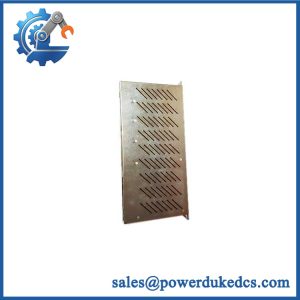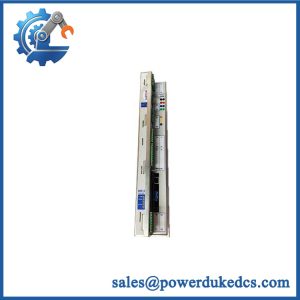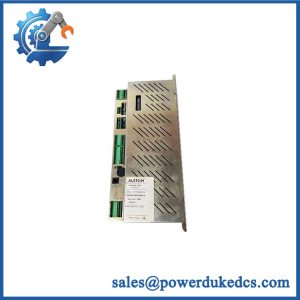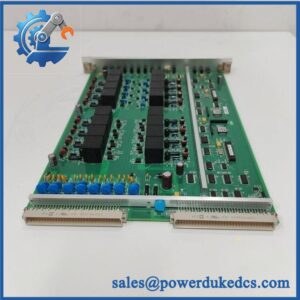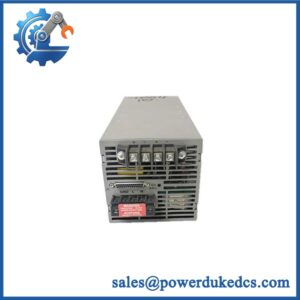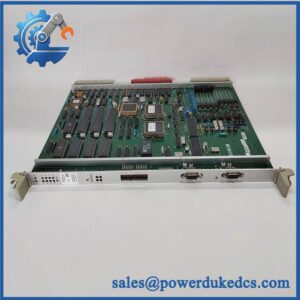
Description
-
Brand: ALSTOM
-
Full Model Number: DSI1817
-
Associated Part Numbers: TRVC062335000 / CP00003934
-
Lifecycle Status: Current production and official support status require verification; manage as an obsolescence-sensitive spare
-
Product Category: Industrial control hardware; exact module type requires confirmation
-
Core Function: To be established from the OEM documentation and installed equipment configuration
-
Top 3 Technical Specifications:
-
Operating voltage: Verify against the original nameplate and applicable technical manual
-
Signal type and channel count: Requires model-specific documentation
-
Communication interface and protocol: Requires host-system verification
-
-
System Compatibility: Confirm against the installed ALSTOM equipment, hardware revision, and connector configuration
-
Stock and Condition: Request lot-specific availability, actual-unit photographs, condition classification, and functional test records
-
Dispatch Lead Time: Confirm order-processing cutoff, packing status, payment clearance, and carrier availability
-
Warranty: Written warranty duration and return conditions required before purchase order approval
Obsolescence and Supply Chain Analysis
A failed legacy control module can turn a routine maintenance activity into an extended equipment outage when the original spare cannot be identified quickly. The ALSTOM DSI1817, referenced alongside TRVC062335000 and CP00003934, requires careful part-number verification before procurement. Publicly available product descriptions do not consistently establish its exact function or electrical specifications. Consequently, buyers should not assume that it is a digital input card, processor board, or communication interface without supporting documentation. Obtain clear photographs of the original unit, the equipment nameplate, and the associated cabinet or rack before finalizing the order.
For maintenance planners, sourcing a verified replacement can preserve the existing control architecture and avoid the immediate cost of a broader equipment migration. Total Cost of Ownership (TCO) should account for the spare itself, expedited freight, installation labor, engineering verification, testing, and downtime exposure. This approach is most economical when the existing system remains suitable for operation and the proposed replacement is technically approved. However, purchasing one legacy spare does not eliminate future supply risk. Record the equipment’s support status, identify any officially approved successor, and establish a procurement plan for additional critical spares (particularly where repair or replacement lead times could affect plant availability).
Compatibility and Replacement Matrix
The DSI1817 identification alone is insufficient to establish a safe, direct replacement. Confirm the complete part-number combination and the original equipment configuration before authorizing installation.
|
Replacement Scenario |
Compatibility Assessment |
Required Action |
|---|---|---|
|
Replacement with an identical DSI1817 carrying matching part identifiers and revision |
Candidate direct replacement; final compatibility remains subject to verification |
Match all markings, connectors, hardware revisions, and approved system configuration |
|
Replacement with another DSI-series module |
Not established |
Obtain OEM documentation confirming interchangeability |
|
Replacement with a different ALSTOM module carrying another part number |
Not established |
Check electrical interfaces, mounting, signal assignments, and system requirements |
|
Replacement involving a different firmware or software revision |
Compatibility unknown |
Verify the applicable hardware/software combination before installation |
|
Adaptation involving wiring, connectors, or mounting changes |
Hardware modification may be required |
Obtain engineering approval and complete the required validation |
Replacement Cost and Time Estimates
The figures below are preliminary planning allowances, not manufacturer-approved installation times or supplier quotations.
|
Cost or Schedule Item |
Planning Guidance |
|---|---|
|
Replacement module |
Obtain a quotation for the exact model and part-number combination |
|
Expedited freight |
Calculate from destination, shipment dimensions, weight, and carrier service |
|
Initial inspection and identification |
Allow approximately 30–60 minutes for documentation and physical checks |
|
Like-for-like installation |
Allow approximately 2–4 labor hours only after compatibility and the approved maintenance procedure are established |
|
Commissioning and functional validation |
Determine from the equipment manual, site procedure, and safety requirements |
|
Total replacement cost |
Module price + freight + labor + engineering + testing + downtime exposure |
The labor allowances exclude unexpected troubleshooting, access restrictions, system shutdown delays, and any additional verification required by the installation. Do not commit to a return-to-service time until the equipment and replacement part have been identified.
Field Traps to Check Before Ordering
Conflicting module identification: The available product descriptions do not consistently identify the DSI1817’s function. Do not approve the purchase based solely on a supplier-generated product title. Request the nameplate photograph, revision details, and a supporting technical reference.
Part-number ambiguity: Confirm whether TRVC062335000 and CP00003934 appear on the same physical assembly and how each identifier is used in the original equipment documentation. Match the replacement against the failed unit and the applicable spare-parts record.
Electrical and connector compatibility: Do not assume a nominal 24 VDC supply, a particular I/O channel count, or a specific communication protocol. Verify electrical ratings, pin assignments, grounding requirements, and connector orientation before applying power.
Firmware and configuration: No specific firmware requirement or approved substitute has been established. Do not flash firmware, alter configuration settings, or modify wiring based on assumptions about a similar module.
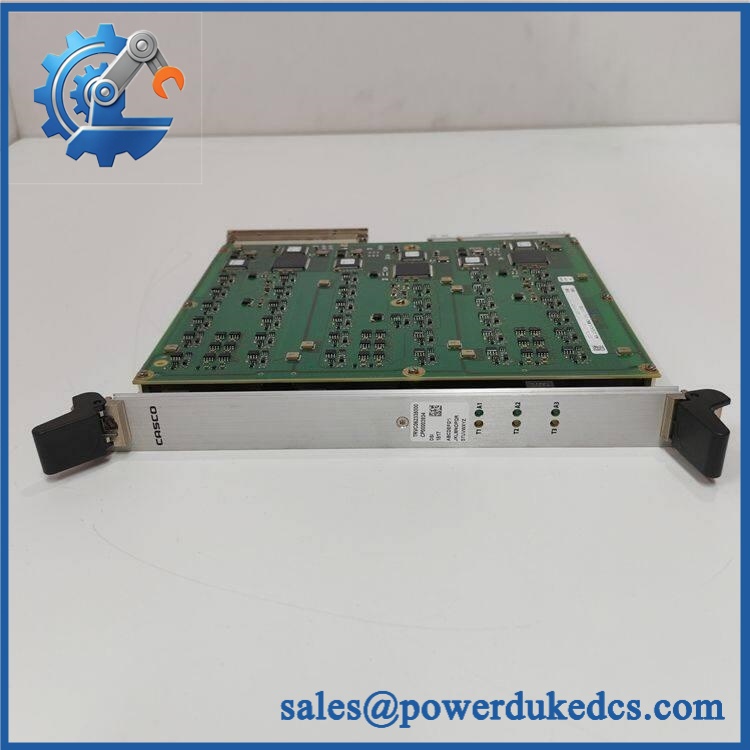
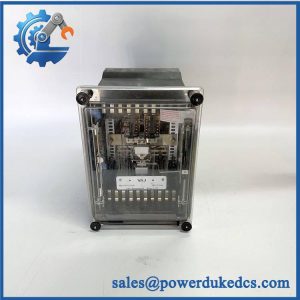
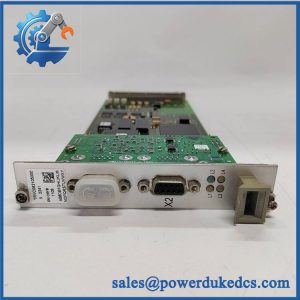
ALSTOM DSI1817 TRVC062335000
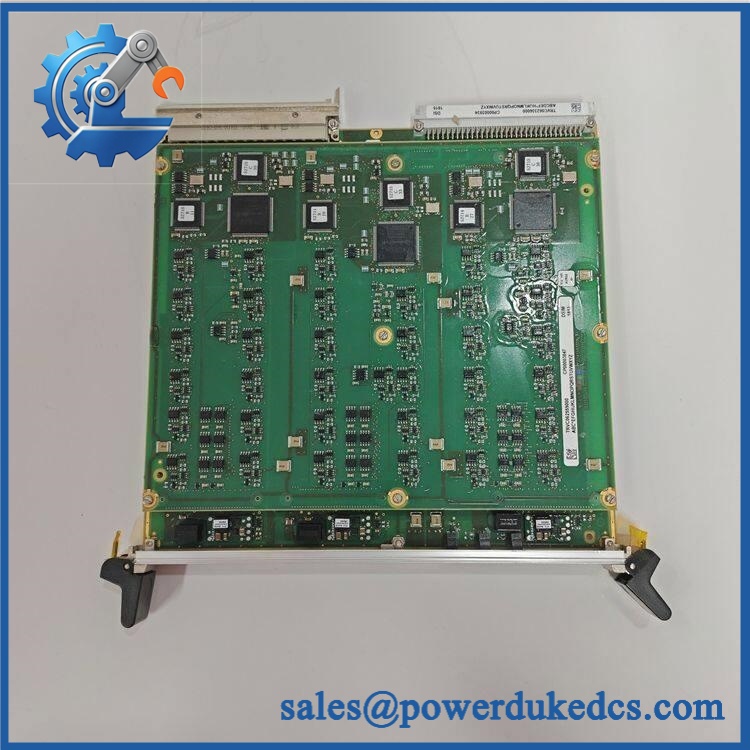
Quality Assurance and Testing SOP
Every offered DSI1817 should undergo a documented identification and condition inspection. Functional testing must use a suitable test arrangement supported by the applicable technical documentation. Where the module’s ratings or function remain unidentified, testing should stop before electrical energization.
|
QA Stage |
Required Procedure |
Acceptance Criteria |
|---|---|---|
|
Part identification |
Record , TRVC062335000, CP00003934, serial number, and revision where present |
Identifiers recorded; discrepancies resolved before release |
|
OEM anti-counterfeit visual inspection |
Examine labels, markings, PCB details where accessible, connectors, fasteners, and evidence of unauthorized rework |
No unexplained discrepancies or physical damage; traceability limitations documented |
|
Mechanical inspection |
Inspect the housing, contact surfaces, connector alignment, and mounting features |
No cracked housing, bent contacts, corrosion, or material defects affecting installation |
|
Electrical safety review |
Identify the documented power requirements and test connections before energization |
Correct ratings and approved test procedure established |
|
Power-on self-test (POST) |
Energize only in a compatible, approved test setup and record startup behavior |
Startup results match the applicable manual; ERR/RUN indicators checked where fitted and documented |
|
Interface or I/O testing |
Test communication, signal response, or I/O loads only after the actual module function has been verified |
Measured performance meets the documented acceptance criteria |
|
Fault review |
Record available diagnostic codes, alarms, unexpected resets, or abnormal behavior |
No unresolved faults within the agreed test scope |
|
Final inspection and packing |
Photograph the actual unit, record the test result, and use suitable ESD-protective packaging |
Unit identification and inspection records correspond to the shipped item |
Pre-Shipment Test Report
The supply record should state the exact unit inspected, its physical condition, the tests performed, the instruments used where applicable, and any limitations.
A power-on test alone does not establish full functional performance. Likewise, visual inspection cannot independently establish OEM authenticity. If a compatible test rack is unavailable, identify the limitation in writing instead of representing the module as fully function-tested.
Procurement and Lifecycle FAQ
Is the ALSTOM genuinely in stock, and what is the emergency shipping cutoff?
Availability depends on the actual inventory lot. Request written confirmation of the quantity, physical condition, part-number markings, dispatch cutoff, and expected carrier collection date. Emergency dispatch remains subject to order approval, payment clearance, export documentation, and carrier availability.
How do you verify the condition and authenticity of this legacy spare?
Request photographs of the actual unit and all identification markings. The quotation should distinguish new original, new surplus, and used equipment, as applicable. Request available traceability records and a unit-specific inspection or functional test report. Any documentation gaps should be disclosed before payment.
What technical information must be confirmed before issuing the purchase order?
At minimum, confirm the model designation, both associated part numbers, revision, host equipment model, connector arrangement, electrical ratings, and intended function. The buyer’s engineering team should approve compatibility using the applicable equipment documentation. Do not treat an unverified digital input classification or voltage rating as an established specification.
Is the obsolete, and is there an approved replacement?
Its current production and support status have not been established from verified OEM documentation. Ask for written confirmation of the support status and any manufacturer-approved successor. A similarly numbered module is not necessarily interchangeable. Where no approved successor is documented, retain the existing part number as the primary sourcing reference until engineering identifies an acceptable alternative.
What warranty and return conditions should procurement negotiate?
The written quotation should specify the warranty period, coverage start date, defective-on-arrival procedure, return authorization requirements, and exclusions. For surplus or used equipment, confirm whether warranty coverage includes functional failure or only defects under stated conditions. Keep the original pa