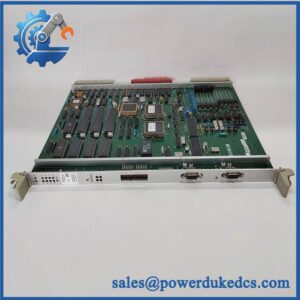
Description
-
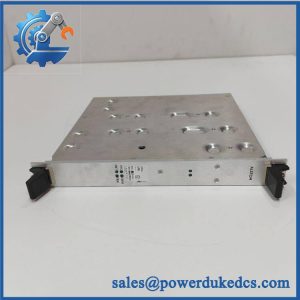
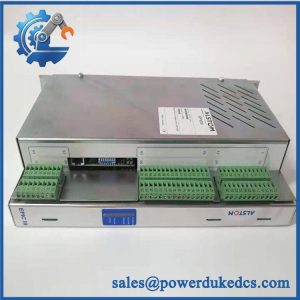
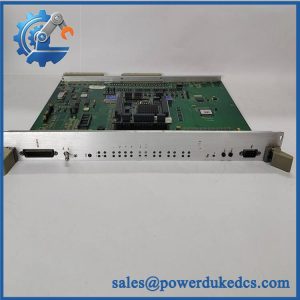
Brand: ALSTOM
-
Full Model Number: FS0945
-
Product Type: Industrial control module
-
Reported Platform: EPIC III
-
Lifecycle Status: OEM lifecycle status unconfirmed; assess legacy-platform sourcing risks
-
Core Function: Associated with electrostatic precipitator (ESP) control applications
-
Primary Application: Industrial particulate collection and high-voltage ESP control systems
-
Top 3 Technical References:
-
Model: FS0945
-
Platform: EPIC III, subject to identification verification
-
Application: Electrostatic precipitator control
-
-
Electrical Specifications: Supply voltage, power consumption, signal interfaces, and terminal assignments require confirmation
-
Stock and Condition: Confirm physical inventory, condition, and hardware identification before order acceptance
-
Replacement Status: Requires confirmation against the installed equipment and approved technical documentation
-
Shipping: Dispatch schedule and available expedited options confirmed at quotation
Obsolescence & Supply Chain Deep Dive
When an industrial electrostatic precipitator controller fails, delays in identifying the correct replacement can extend equipment downtime and disrupt maintenance planning. The ALSTOM FS0945 is identified in available product descriptions as an EPIC III-series control module associated with industrial ESP applications. These systems regulate high-voltage equipment used to collect particulate matter from industrial exhaust streams. However, complete OEM specifications, electrical ratings, revision details, and lifecycle documentation have not been established for this exact model. Before purchasing, verify the installed unit’s identification label, control-system configuration, connector arrangement, and approved replacement designation. Correct identification comes first; a matching model number alone is not sufficient evidence of compatibility.
For an existing installation, replacing a confirmed faulty module may cost less than migrating the entire control system. A meaningful total cost of ownership (TCO) comparison should include the replacement price, freight, engineering labor, installation, functional testing, commissioning, and expected downtime. A wider system upgrade may introduce additional configuration work, operator training, documentation changes, and site acceptance testing. Those costs can make a verified replacement the more economical option. The decision still depends on the availability of suitable hardware, the condition of the existing installation, and the operating requirements of the ESP system. When factory-new stock is difficult to source, a correctly identified surplus unit may be worth evaluating, provided its condition and test limitations are documented.
Compatibility & Replacement Matrix
The FS0945 must be matched to the installed control architecture before its replacement classification can be approved.
|
Evaluation Item |
Preliminary Assessment |
Required Action |
|---|---|---|
|
Replacement classification |
Conditional like-for-like replacement |
Confirm the exact part number, revision, and approved equipment configuration |
|
Platform compatibility |
EPIC III association reported; exact configuration requires verification |
Compare the installed hardware and equipment documentation |
|
Software compatibility |
Not confirmed |
Establish applicable firmware, parameter, and configuration requirements |
|
Hardware modification |
Undetermined |
Verify mounting, dimensions, connectors, and terminal assignments |
|
Power requirements |
Not independently verified |
Obtain the applicable electrical specification before energizing the unit |
|
Signal interfaces |
Not independently verified |
Confirm input, output, feedback, and communication requirements |
|
Installation labor |
Preliminary allowance: 2–4 technician hours for identification, exchange planning, and initial checks |
Adjust for access, fault diagnosis, wiring work, permits, and commissioning |
|
Commissioning |
Application-specific |
Follow the approved site test and release procedure |
|
Cost estimate |
Quotation required |
Include the part, freight, labor, functional testing, and outage-related expenses |
Field Traps: Checks Before Purchase
Platform and revision mismatch
Confirm that the installed equipment actually uses the FS0945 designation and the relevant EPIC III configuration. Check the complete label, hardware revision, existing documentation, and any revision-specific suffixes. Do not approve a replacement solely because the board has a similar appearance.
Unverified electrical characteristics
Power supply limits, terminal assignments, signal types, and communication requirements must come from the applicable technical documentation. Applying assumptions from another controller can damage the equipment or cause incorrect operation. Obtain the wiring diagram and electrical ratings before installation.
ESP control and protection settings
An ESP control circuit may interact with high-voltage equipment, feedback signals, and protective interlocks. Verify the control configuration and required protective functions before replacing or commissioning the module. Any changes to operating parameters must be authorized by the responsible engineering team.
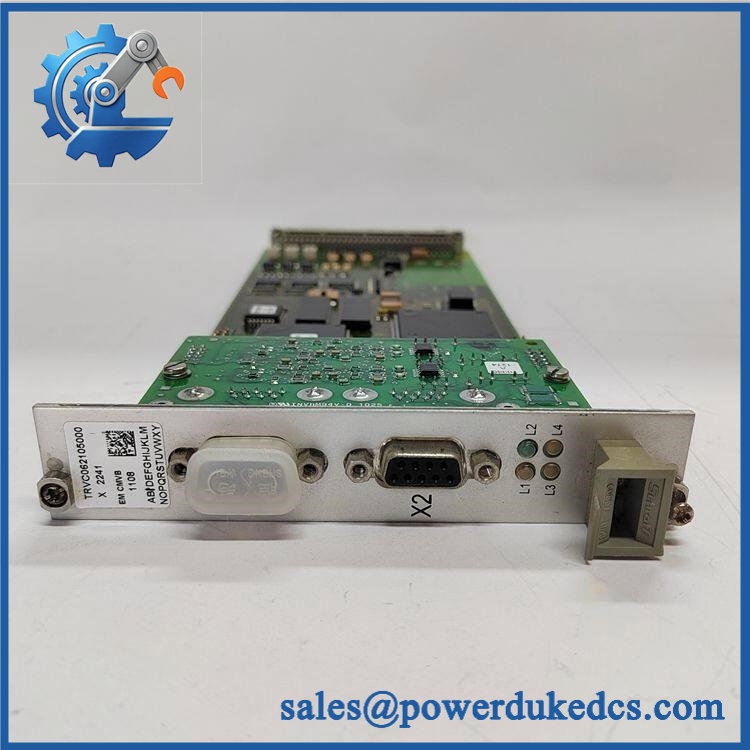
ALSTOM FS0945
Quality Assurance & Testing SOP
The pre-shipment inspection process should establish the identity, physical condition, and tested functionality of the actual FS0945 unit. Test scope must reflect the confirmed hardware revision and the available approved test equipment.
|
QA Stage |
Inspection or Test Action |
Acceptance Evidence |
|---|---|---|
|
Product identification |
Conduct an OEM anti-counterfeit visual inspection of labels, model markings, revision information, connectors, and board construction |
Identification markings are consistent with the ordered configuration |
|
Physical inspection |
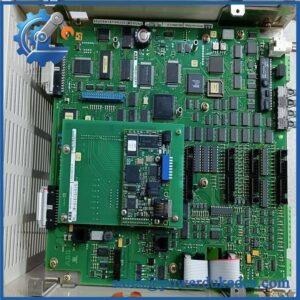
Examine the PCB, terminals, connectors, mounting features, solder joints, and visible components |
No disqualifying damage, corrosion, contamination, or unexplained modifications |
|
Documentation review |
Compare available part markings and revision details with the customer’s equipment records |
Intended application and replacement identity are documented |
|
Electrical pre-check |
Inspect for visible shorts and damaged components; perform electrical measurements only with an approved procedure |
No detected fault within the scope of the specified checks |
|
Power-on self-test (POST) |
Use an appropriate test arrangement and inspect available power, status, ERR, or RUN indicators where fitted and documented |
Observed startup behavior agrees with the applicable technical documentation |
|
Functional control test |
Exercise supported control functions using compatible test equipment or an approved test fixture |
Expected responses are recorded against documented acceptance criteria |
|
Signal and feedback test |
Check applicable inputs, outputs, and feedback signals using a compatible setup |
Tested signals respond as specified in the approved procedure |
|
Load testing |
Apply representative loads only when the module’s function and ratings are confirmed |
No unexplained faults or out-of-range readings under the defined test conditions |
|
Final inspection |
Record model identification, revision, physical condition, completed tests, and packaging condition |
Unit-specific inspection record is available for shipment review |
Testing limitations: Do not connect the module directly to operating high-voltage ESP equipment merely to demonstrate functionality. Use a suitable test fixture or an approved maintenance environment. If the correct test documentation or equipment is unavailable, disclose that limitation instead of claiming a complete functional pass.
A standalone inspection cannot establish full system compatibility. Final acceptance may require installation-specific checks, confirmation of protective functions, and commissioning by qualified personnel under the site’s approved procedures.
Procurement & Lifecycle FAQ
Is the ALSTOM in stock, and what is the emergency shipping cutoff?
Physical stock, available quantity, item condition, and dispatch timing must be confirmed against the current inventory lot. Request photographs of the actual unit and its identification label before placing an urgent order.
Expedited shipping depends on order approval, payment arrangements, completion of the agreed inspection, destination, and carrier collection schedules. Obtain a written cutoff time and dispatch commitment; same-day shipment should not be assumed.
How do you verify the authenticity and condition of the ?
The proposed inspection process covers identification markings, revision details, visible board condition, connectors, and functional tests when suitable equipment is available. Request unit-specific photographs and an inspection report.
The quotation should state whether the supplied item is new original stock, new surplus, used, or refurbished. Where available, request supporting traceability documentation. Condition descriptions and inspection evidence should be reviewed before purchase approval.
Are there compatibility issues engineers should review before issuing the purchase order?
Yes. Confirm the EPIC III platform association, exact installed designation, hardware revision, electrical requirements, signal interfaces, and applicable configuration documentation. Firmware or parameter changes should not be assumed necessary—or unnecessary—without supporting technical information.
Engineering approval is particularly important where the module participates in high-voltage control or protective functions. Establish the replacement procedure and commissioning requirements before scheduling the exchange.
What warranty and return terms apply?
The warranty period, coverage, exclusions, and return conditions must be specified in the supplier’s quotation or pro forma invoice. Confirm the process for reporting defects, the applicable claim deadline, and the evidence required for evaluation.
Agree on a return merchandise authorization (RMA) process before purchase. Preserve the original packaging, identification labels, and inspection records so the delivered unit can be matched to the order.
What information is needed for an accurate quotation?
Provide the required quantity, installed system identification, complete part number, hardware revision, photographs of the existing module, delivery destination, and required arrival date.
Where available, include the applicable equipment documentation and wiring references. Request written confirmation of stock, condition, functional testing, warranty, and dispatch timing. This information helps procurement compare available units by their complete replacement cost and reduces the risk of buying hardware that cannot be approved for the installation.