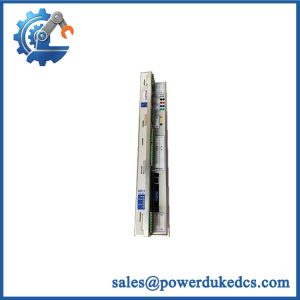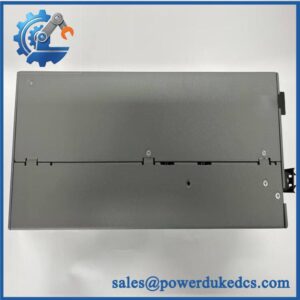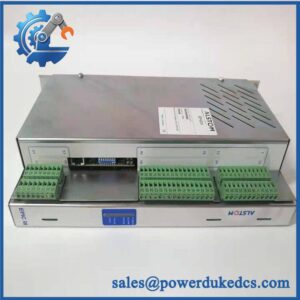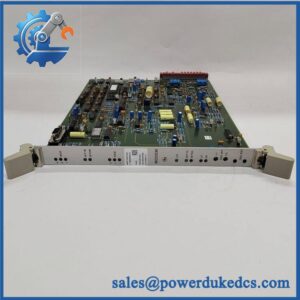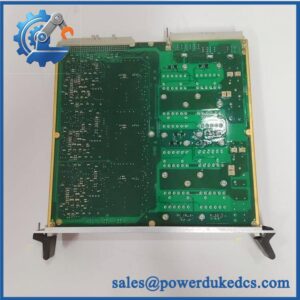
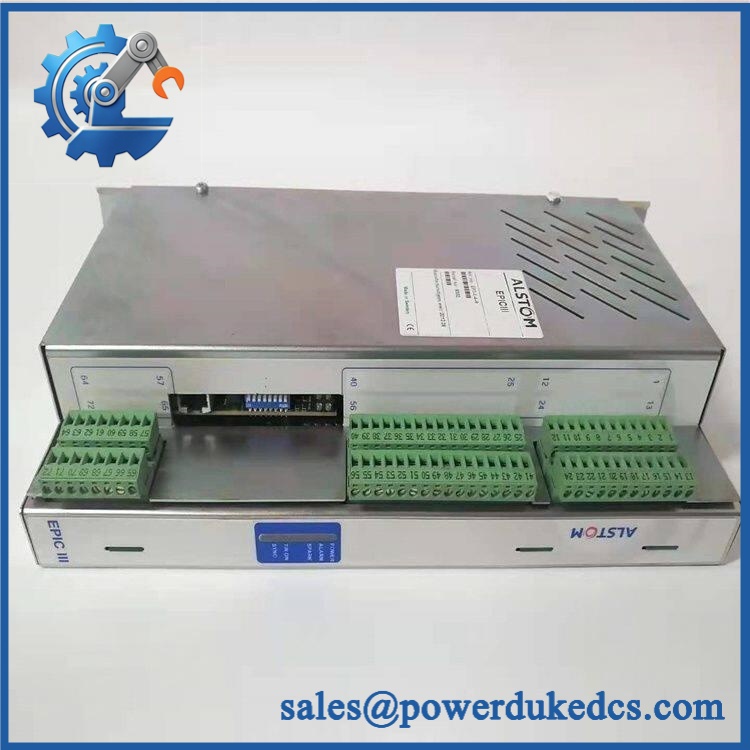
Description
-
Brand: ALSTOM / Converteam-era equipment
-
Full Model Number: EP3-F-4-EN
-
Product Family: EPIC III
-
Product Type: Electrostatic Precipitator (ESP) Controller
-
Lifecycle Status: Reported discontinued; confirm current manufacturer support status
-
Core Function: Controls electrostatic precipitator operating functions and associated electrical regulation
-
Top 3 Technical Specifications:
-
Application: EPIC III industrial ESP control system
-
Power Supply: EPIC III documentation references 24 VAC or DC ±15%; verify the EP3-F-4-EN nameplate before energizing
-
Listed Weight: Approximately 3.99 lb (1.81 kg); confirm packing weight before freight booking
-
-
Control Functions: Analog and digital data acquisition, operating control, and related ESP control functions; verify the exact variant documentation
-
Stock and Condition: Quantity, serial identification, and New Original or New Surplus classification subject to inventory confirmation
-
Testing: Visual inspection, electrical checks, and functional verification where compatible test equipment is available
-
Shipping: Dispatch cutoff and transit time confirmed according to destination and stock location
Obsolescence & Supply Chain Deep Dive
A failed controller can interrupt electrostatic precipitator operation and create an urgent spare-parts requirement for plant maintenance teams. The ALSTOM EP3-F-4-EN belongs to the EPIC III controller family used in industrial ESP applications. Identifying the exact model matters: purchasing a similar-looking controller without confirming its hardware variant can introduce wiring, configuration, and commissioning problems. With discontinued equipment, procurement teams should verify the offered unit’s identification, condition, revision, and documented test status before committing to a shutdown schedule. Availability must be confirmed against the actual inventory lot.
For facilities seeking to preserve an established EPIC III installation, a verified replacement controller may cost substantially less than a complete control-system migration. The total cost of ownership (TCO) comparison should include the replacement unit, engineering labor, commissioning, production interruption, and future spare availability. Retaining the existing architecture can also reduce reconfiguration and operator-training requirements. However, a single replacement does not resolve wider obsolescence exposure. If several controllers or associated components are approaching the end of support, compare the immediate repair cost with a staged migration plan (particularly where future spare availability remains uncertain). Confirm system compatibility and functional requirements before treating this model as a direct replacement.
Compatibility & Replacement Matrix
Replacement classification: Conditional drop-in replacement for an existing EP3-F-4-EN installation, subject to verification of the hardware variant, terminal arrangement, electrical requirements, and stored control parameters. Compatibility with EP3-E-series or other EPIC III variants must not be assumed.
|
Replacement Scenario |
Compatibility Assessment |
Required Engineering Action |
|---|---|---|
|
EP3-F-4-EN replacing the same model |
Potential drop-in replacement |
Confirm nameplate, revision, connections, and controller configuration |
|
Different EPIC III controller variant |
Compatibility unconfirmed |
Compare variant-specific documentation and application requirements |
|
Replacement requiring parameter recovery |
Configuration work required |
Restore or reconstruct approved operating parameters and verify settings |
|
Integration with an existing remote terminal or host interface |
System-dependent |
Verify communication interfaces, associated equipment, and configured functions |
|
Migration to a different control platform |
Not a direct replacement |
Complete electrical, control-logic, interface, and commissioning assessments |
Switching Time and Cost Estimates
These figures are preliminary project-planning allowances, not manufacturer specifications or a quotation.
|
Activity |
Preliminary Allowance |
|---|---|
|
Like-for-like replacement and initial checks |
2–4 engineering hours |
|
Replacement with parameter recovery and extended troubleshooting |
4–8 hours or more |
|
Illustrative field-engineering labor rate |
100–200 per hour |
|
Estimated labor for a straightforward replacement |
200–800 |
|
Additional costs |
Spare controller, travel, freight, commissioning, production downtime, and applicable taxes |
Actual requirements depend on site access, electrical isolation procedures, system complexity, the availability of configuration records, and the condition of associated equipment.
Field Traps to Check Before Ordering
Variant and terminal mismatch: Confirm the complete EP3-F-4-EN model designation against the installed controller. Verify terminal assignments, connector positions, supply requirements, and revision details. Do not infer specifications from EP3-E-series documentation.
Configuration and control-loop integrity: Preserve the existing approved control parameters before removing the failed unit, where recovery is possible. After replacement, verify the relevant input signals, output commands, alarm handling, and ESP regulation behavior. Any test involving high-voltage equipment must follow site isolation procedures and the approved commissioning method.
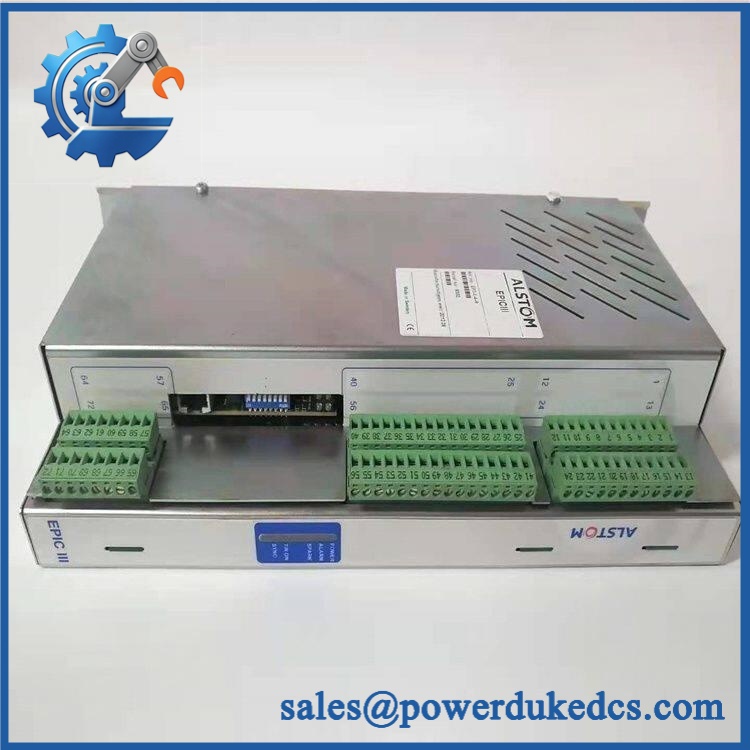
ALSTOM EP3-F-4-EN
Quality Assurance & Testing SOP
The following inspection procedure defines the checks applicable to an offered controller. The inspection record should distinguish completed tests from checks that could not be performed because suitable equipment or documentation was unavailable.
- – OEM Identification and Authenticity Inspection: Compare the model designation, part number, labels, serial identification, and available traceability records. Examine the enclosure and visible components for inconsistent markings, corrosion, cracked insulation, or signs of unauthorized repair.
- – Physical and Connector Inspection: Inspect terminals, connectors, mounting points, and the enclosure. Check for bent contacts, loose hardware, damaged insulation, contamination, and evidence of overheating.
- – Electrical Supply Verification: Establish the correct supply specification from the exact unit’s nameplate or applicable technical documentation. Check the test fixture and supply arrangement before applying power. Do not assume family-level specifications apply to every revision.
- – Power-On and Status-Indication Test: Where a suitable fixture is available, energize the controller under the approved test procedure. Record power and diagnostic indications, including applicable POWER and ALARM states where fitted. Compare the results with the correct EPIC III documentation rather than assuming generic RUN/ERR indicator labels.
- – Control-Function Verification: Check the applicable controller startup behavior and available diagnostic functions. Record faults and unexpected indications; do not classify a unit as fully functional solely because it powers on.
- – I/O Simulation and Load Testing: Where the hardware and test setup permit, simulate representative input signals and verify the corresponding controller responses. Exercise output and command paths using properly rated test equipment. Do not connect an unverified controller directly to energized ESP high-voltage circuits for bench testing.
- – Parameter and Communication Checks: Where configuration tools and reference records are available, inspect parameter accessibility and verify supported communication functions. Record any configuration-dependent checks that remain incomplete.
- – Final Inspection and Packaging: Match the inspected unit to the quoted model number, record its condition, and protect the controller against electrostatic discharge, moisture, and impact during transit.
Inspection documentation: Request actual-unit photographs, nameplate images, a condition report, and the completed test record. Visual inspection, electrical checks, and a full functional test are different levels of verification and should be identified separately.
Procurement & Lifecycle FAQ
Is the ALSTOM in stock, and what is the emergency-shipping cutoff?
Stock quantity and condition require confirmation against the current inventory. For an urgent requirement, specify the quantity, delivery destination, and required arrival date when requesting a quotation. The dispatch cutoff depends on stock location, order clearance, packing requirements, and carrier collection times. Obtain written dispatch confirmation before scheduling equipment downtime.
How do you verify the condition and authenticity of obsolete EPIC III controllers?
The assessment should include model and serial identification, physical inspection, review of available traceability records, and testing appropriate to thquipment. Request photographs of the actual offered unit rather than relying solely on representative images. New Original, New Surplus, used, and refurbished conditions must be distinguished clearly. Documentation should support any claim of manufacturer provenance, and functional test results should identify exactly what was tested.
Are there compatibility issues that our engineering team should review before issuing the purchase order?
Yes. Confirm the exact variant, power-supply requirements, terminal arrangement, associated interface equipment, and parameter requirements. The available product information does not establish a universal firmware or software compatibility rule for all EPIC III installations. Engineering approval should therefore be based on the installed configuration and the applicable technical documentation. Do not assume that a different EPIC III model is interchangeable.
What warranty and return terms apply to this controller?
Warranty coverage, return eligibility, and remedies for verified defects should be stated in the supplier’s quotation or pro forma invoice. Confirm the offered condition, test scope, warranty duration, and return authorization process before issuing the purchase order. For discontinued hardware, do not assume that the original manufacturer’s warranty remains available. Agree on the procedure for handling a defective-on-arrival unit in writing.
Should we replace the or migrate to a newer control system?
A like-for-like replacement may be the lower-cost option when the existing EPIC III installation remains suitable for operation and the failure is isolated to the controller. A broader migration deserves consideration when multiple components are obsolete, compatible spares are becoming difficult to source, or maintenance costs are increasing. Compare immediate replacement expenditure against engineering, commissioning, validation, outage exposure, and long-term spare availability. A staged migration can help spread expenditure, but its technical feasibility must be assessed against the actual ESP installation and operating requirements.