

Description
- Brand: GE / VMIC
- Full Model Number: ACC-5595-208
- Alternate Part Number: 350-805595-208N
- System/Series Family: VMIACC-5595 Reflective Memory Network
- Core Function: Optical hub for expanding and managing GE 5565-series reflective-memory networks
- Top 3 Hardcore Specs: 2 Gb/s optical data rate; up to 8 SFP ports; cascaded networks supporting up to 256 nodes
- Stock Status: New Surplus / Fully Tested Refurbished subject to actual inventory inspection
Module 3: Commercial-Technical Deep Dive
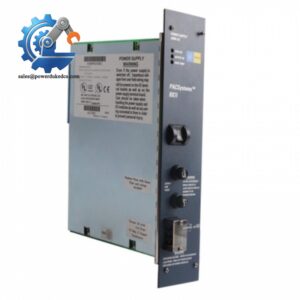
Distributed VME systems become difficult to service when the reflective-memory hub drops out, because the hub is responsible for maintaining the optical data path between multiple nodes. The GE ACC-5595-208, part number 350-805595-208N, is a 2 Gb/s reflective-memory hub assembly intended for the GE Intelligent Platforms / VMIC 5565 reflective-memory product family. It provides up to eight SFP-based optical ports and can automatically bypass a defective or disconnected node, helping prevent one failed link from taking the rest of the network offline.
The real value is network continuity and controlled expansion. Each optical port regenerates the serial signal, reducing insertion loss and cable attenuation, while multiple hub assemblies can be cascaded for networks reaching as many as 256 nodes. The published architecture also provides RS-232 local access and a 10Base-T Ethernet interface for remote monitoring and control. Fiber reach depends on the installed SFP configuration; documented configurations support multimode and long-range single-mode transceivers, with the hub itself accepting the required SFPs rather than forcing every port to use the same optical distance.
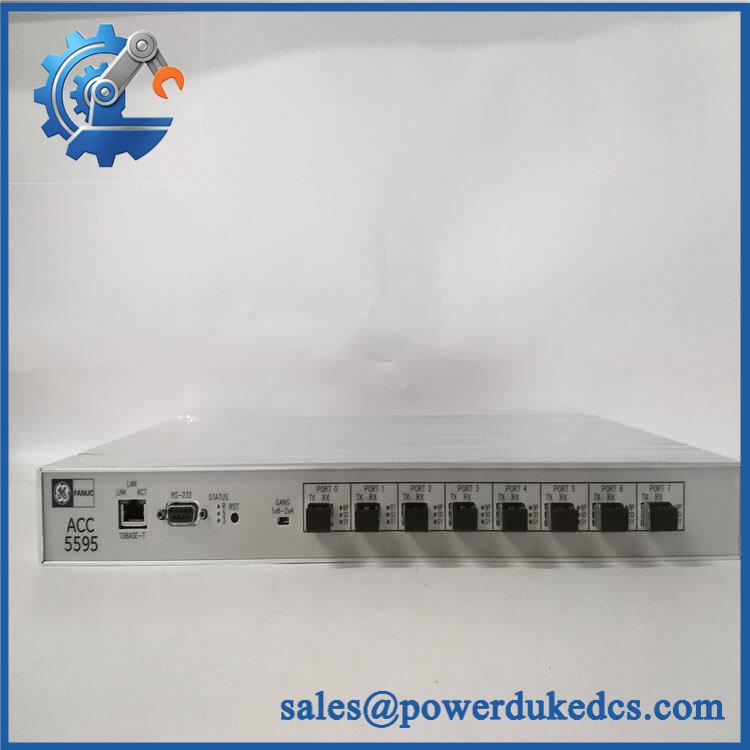
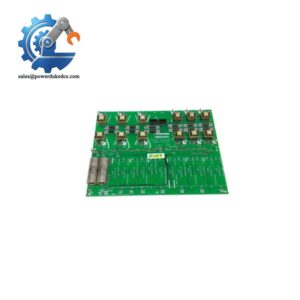
GE ACC-5595-208
Module 4: Compatibility & Installation Traps
Migration/Compatibility
- Replacement status: Configuration-specific 2 Gb/s reflective-memory hub assembly for the GE/VMIC 5565 network family.
- Logic rewrite: Normally not required when replacing an identical hub and preserving the existing reflective-memory network configuration.
- Firmware flash: Not automatically required. Firmware-dependent features should be checked before changing the installed image.
- Drop-in status: Potentially direct at the hardware level, but the SFP type, fiber topology, node arrangement, hub cascading, and management configuration must match the existing installation.
- Enclosure: Documented configurations are available in rack-mount or desktop arrangements.
⚠️ Field Traps (Watch Out)
- SFP mismatch: Do not assume every optical transceiver is interchangeable. Verify multimode versus single-mode optics, wavelength, connector configuration, and required link distance before installing replacement SFPs.
- Fiber direction and contamination: Inspect and clean optical connectors before commissioning. A hub can complete its own startup sequence while the reflective-memory network remains down because of an optical-link fault.
- Bypass behavior: The hub can automatically bypass ports when signal or valid synchronization is lost. During troubleshooting, distinguish an intentional bypass condition from an actual hub hardware failure.
Module 5: Quality Assurance SOP
Before shipment, the GE ACC-5595-208 / 350-805595-208N should pass a network-equipment-specific inspection sequence:
- OEM anti-counterfeit visual inspection — verify GE/VMIC identification, model number, assembly markings, enclosure, PCB construction, connectors, and label consistency.
- Mechanical inspection — inspect chassis mounting points, covers, connectors, status indicators, and internal hardware for impact or unauthorized modification.
- SFP bay inspection — check all optical transceiver positions for damaged latches, contaminated interfaces, bent contacts, or mechanical deformation.
- Power-input verification — verify the hub’s installed power configuration against the intended test setup before energization.
- Power-on self-test (POST) — power the hub in a controlled test environment and verify expected startup indications and status LEDs.
- Port status verification — check that installed transceivers are detected and that optical signal and synchronization status are reported correctly.
- Reflective-memory communication handshake — connect the hub to compatible 5565-series test nodes and verify data synchronization across the optical network.
- Bypass-function verification — simulate controlled loss of signal or synchronization on a test port and confirm expected bypass behavior without disturbing unaffected network segments.
- Management-interface verification — where supported by the test configuration, verify RS-232 and Ethernet management access.
- Final QC record — document model number, alternate part number, SFP configuration, serial/identification information where available, test results, photographs, and packaging condition.
A hub that only powers up has not passed a meaningful acceptance test. The optical signal path, synchronization state, and port-bypass behavior are the critical checks.
Module 6: CRO-Driven Buyer FAQ
1. Is GE ACC-5595-208 obsolete, and how do I verify an authentic unit?
The ACC-5595-208 belongs to a legacy reflective-memory product family, so condition and configuration are important procurement variables. The part is also associated with 350-805595-208 and related assembly identifiers in documented listings. Verify the physical nameplate, complete part number, enclosure configuration, and SFP population before purchase.
2. Can I hot-swap the ACC-5595-208?
Do not assume hot-swap capability. The hub participates directly in an optical communications network, and removing it can interrupt multiple nodes. Use a controlled maintenance procedure, isolate the relevant equipment, and confirm the system’s network-recovery requirements before disconnecting the unit.
3. Does replacing the hub require changing the application software?
Normally not for a one-for-one replacement when the same hub type, optical configuration, and network topology are retained. The hub is infrastructure for the reflective-memory network rather than the application processor itself. Verify node configuration and management settings before returning the system to service.
4. How many nodes can the reflective-memory network support?
Published specifications indicate that multiple hub assemblies can be cascaded for networks of up to 256 nodes. The actual practical limit still depends on the complete network topology, installed 5565-series endpoint hardware, and system design.
5. What warranty and technical support are available?
Warranty duration should be tied to the actual inventory condition stated on the quotation. Technical support should cover exact part-number verification, SFP and fiber-configuration review, network compatibility checks, and documented pre-shipment test results. Live-system network engineering remains dependent on the customer’s installed 5565/5595 architecture.



 Start Chat