

Description
- Brand: GE / GE Grid Solutions
- Full Model Number: D20 EME 2400-21004
- System/Series Family: WESDAC D20 RTU
- One-Sentence Core Function: Central D20 RTU processor and communication module for data acquisition, local control, and SCADA communications
- Top 3 Hardcore Specs: EME enhanced master processor architecture; Ethernet communications; Multi-protocol RTU/SCADA integration
- Stock Status: New Surplus / Fully Tested Refurbished — Stock Condition Confirmation Required
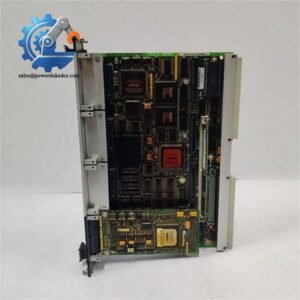
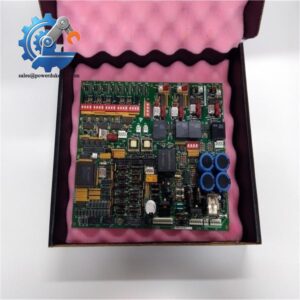
The D20 EME 2400-21004 is consistently identified in available industrial references as an EME module associated with the GE WESDAC D20 RTU platform. Published descriptions position the EME as a central processing and communications component rather than a conventional field I/O card.
Module 3: Commercial-Technical Deep Dive
When a D20 RTU loses its EME module, the impact can extend well beyond a single failed I/O point. The EME serves as a central processing and communications element within the WESDAC D20 architecture, handling application processing, data acquisition functions, and external communications with supervisory systems. That makes the D20 EME 2400-21004 particularly relevant for substation automation, utility monitoring, and other geographically distributed SCADA installations where the RTU must continue local processing while exchanging data with an upstream control center.
The technical advantage is architectural continuity. Published references describe the D20 platform as supporting substantial I/O expansion and multiple independent communications interfaces, with protocol support varying by installed configuration and application. One source specifically associates the EME with Ethernet connectivity and protocols such as DNP3 and Modbus, while broader D20 references describe extensive protocol-library support. These details should be verified against the exact installed D20 hardware and configuration — especially for legacy systems where communication options can depend on firmware and system build.
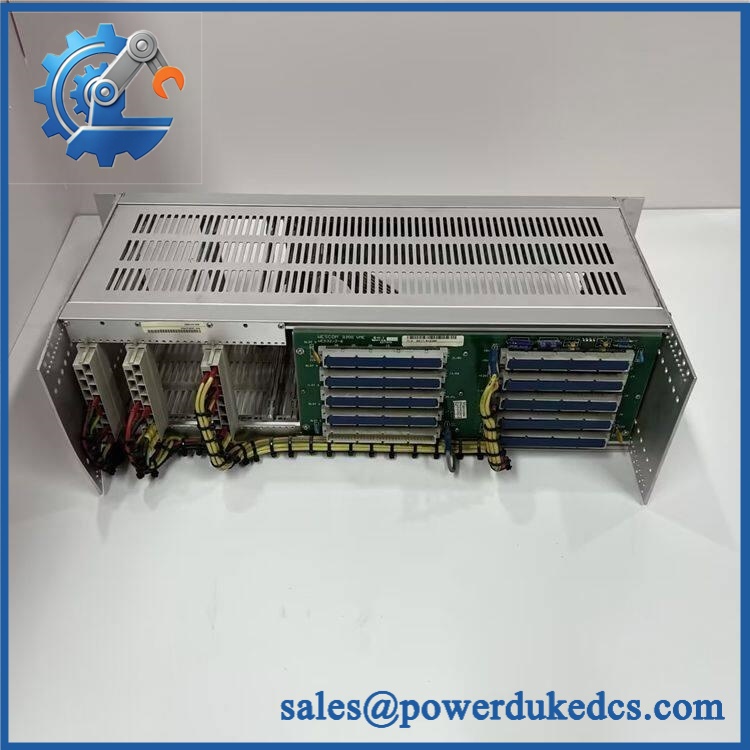
GE D20 EME 2400-21004
Module 4: Compatibility & Installation Traps
Migration/Compatibility
The D20 EME 2400-21004 should be treated as a D20-family system component, not as a generic industrial Ethernet processor. Its compatibility depends on the specific WESDAC D20 chassis, installed firmware/software configuration, connected I/O architecture, and enabled communications.
A like-for-like hardware replacement may avoid cabinet rewiring, but that does not guarantee an immediate return to service. Configuration data, application software, communication parameters, protocol assignments, and site-specific logic may need to be restored from the existing system backup. Do not assume a blank replacement module contains the same site configuration as the failed unit.
⚠️ Field Traps (Watch Out)
- Configuration and firmware mismatch: The D20 platform is highly configurable. Replacing the EME without preserving the correct application image and communications configuration can produce a module that boots normally but fails to communicate with the RTU network or SCADA master.
- Communication-port mapping: Published descriptions indicate multiple communications interfaces, but the exact available ports and enabled protocols depend on the installed D20 configuration. Verify the existing port assignments and communication parameters before reconnecting field or SCADA links.
Module 5: Quality Assurance SOP
Each D20 EME 2400-21004 unit should pass a documented inspection process before shipment.
- OEM anti-counterfeit visual inspection — Verify GE identification, complete part number, board/module markings, connector construction, PCB condition, and manufacturing details against available reference material.
- Physical inspection — Check the enclosure, connectors, PCB, mounting hardware, and visible components for corrosion, contamination, cracked material, bent contacts, thermal damage, or unauthorized rework.
- Identity and configuration capture — Record available serial number, hardware revision, label information, firmware identifiers, and installed configuration data where accessible.
- Power-on self-test (POST) — Apply the specified supply through a controlled test setup and confirm normal startup behavior, processor initialization, and expected status indications.
- Communication handshake verification — Verify applicable Ethernet and serial communication interfaces using a compatible D20 test environment.
- Protocol-level verification — Where the test fixture supports it, establish representative D20 communication sessions and verify correct data exchange rather than relying solely on electrical continuity.
- Application boundary check — Determine whether the supplied module is tested hardware only, contains a preserved configuration, or has been prepared as a configured service spare.
- Final QC release — Record part number, revision, serial/traceability information, test results, photographs, inspector approval, ESD packaging, and shipment condition.
For legacy D20 equipment, the distinction between a tested replacement module and a fully configured site-ready spare should be stated clearly. They are not the same commercial or commissioning condition.
Module 6: CRO-Driven Buyer FAQ
Is the GE D20 EME 2400-21004 an obsolete D20 component?
The D20 platform is a mature GE/WESDAC RTU architecture, and the D20 EME 2400-21004 is listed across current industrial spare-part references as a D20 EME module. Because legacy utility and substation systems can remain in service for many years, exact-part-number sourcing and configuration verification are important.
Can I hot-swap the D20 EME 2400-21004?
Do not assume hot-swap capability. The available references do not establish a universal field hot-swap procedure for this exact module. Use the site’s approved D20 maintenance procedure, isolate the applicable power sources, protect against ESD, and confirm system impact before removing the processor/communications module.
Does replacing the EME require a firmware or configuration reload?
It may. A replacement module should not be assumed to contain the same application, firmware, protocol configuration, addresses, or communications parameters as the failed unit. Before installation, preserve the existing configuration and confirm compatibility with the target D20 system.
What warranty is available?
Warranty coverage should be confirmed for the exact inventory condition supplied. New surplus and fully tested refurbished units may have different commercial terms, so the warranty duration and coverage scope should appear on the quotation or order confirmation.
What technical support is included?
Support should cover part-number identification, hardware-revision comparison, available test documentation, and pre-installation configuration checks. Site-specific SCADA database changes, protection settings, RTU application engineering, and final commissioning remain the responsibility of qualified plant or utility personnel.



 Start Chat