

Description
- Brand: GE
- Full Model Number: DS200SIOCG1AEA
- Lifecycle Status: Obsolete / Legacy Mark V hardware
- Core Function: Instantaneous overcurrent card and VME stand I/O interface
- Top 3 Technical Specs: 5 wire terminals; up to 33 signal wires; 4 × 2-pin connectors
- Protection: 1 onboard fuse
- Board Revision: G1AEA
- Revision History: 3 significant revisions reported
- Assembly: Normal DS200 assembly
- PCB Coating: Normal coating
- Stock & Condition: Specialist surplus / tested replacement stock; confirm exact lot condition before PO
- Shipping: Emergency dispatch subject to physical stock confirmation and carrier cutoff
Model identification note: The supplied identifier uses DS200SI0CG1AEA; current technical listings consistently identify the GE part as DS200SIOCG1AEA, with the functional acronym SIOC. Verify the nameplate or PCB marking before issuing the purchase order.
Obsolescence & Supply Chain Deep Dive
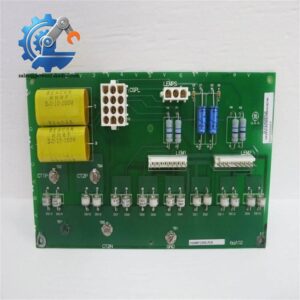
Sourcing a GE DS200SIOCG1AEA after a Mark V I/O fault can become an outage issue quickly. This is legacy hardware, and current availability depends on remaining field stock rather than normal new-production supply. The board uses five wire terminals supporting up to 33 signal wires, plus four 2-pin connectors and an onboard fuse, so an incorrect substitute can create both compatibility and rewiring risks. The terminal identification is reported as consistent between the original and replacement board, although component placement can differ on later revisions.
From a TCO perspective, replacing one failed board is materially different from replacing an entire Mark V control system. The economic case becomes stronger when the installed turbine or drive remains operationally dependent on the existing architecture and the outage cost exceeds the value of the spare. A validated surplus or previously tested replacement can shorten procurement time compared with waiting for an unavailable factory-new legacy unit — though actual lead time depends on inventory condition, inspection requirements, and export documentation. For a critical spare, record the exact G1AEA revision, terminal configuration, installed application, and test history in the asset register.
Compatibility & Replacement Matrix
| Procurement / Engineering Item | Assessment |
|---|---|
| Replacement Classification | Conditional Drop-in Replacement |
| Physical Installation | Designed as a Mark V DS200 PCB with factory mounting provisions |
| Terminal Wiring | Existing terminal IDs can be used as a wiring reference; document every wire before removal |
| Firmware Flash Required | Not normally treated as a field firmware-flash component |
| Software Compatibility | Dependent on the host Mark V application and board revision |
| Hardware Modification | Normally no board modification; verify the exact installed system before replacement |
| Typical Replacement Time | Approximately 2–4 labor hours for isolation, documentation, board swap, inspection, and functional verification |
| Budgetary Field Labor | Approximately USD 300–1,000, excluding outage costs, freight, engineering support, and site-specific commissioning rates |
| Commissioning Requirement | Functional verification of I/O, protection path, terminal wiring, and host-system diagnostics |
| Approval Requirement | Match complete part number, revision, application, and available board documentation before PO release |
Field Traps
Revision mismatch:
The DS200SIOCG1AEA family has a reported three-revision history. One specialist source describes the earlier two revisions as backward compatible, while other catalog descriptions warn against assuming that all three revisions are interchangeable. Treat the complete suffix and revision marking as mandatory purchasing data rather than relying on the base DS200SIOCG1A number.
Terminal and wiring error:
Five terminal blocks can accommodate up to 33 signal wires. Before removal, photograph the board, create a terminal-by-terminal wiring record, and label each conductor. A later board revision may have components in different physical positions even when terminal identification remains usable.
Fuse substitution:
The board contains one protective fuse. Never replace a failed fuse with an unverified rating. Investigate the downstream electrical condition before returning the board to service.
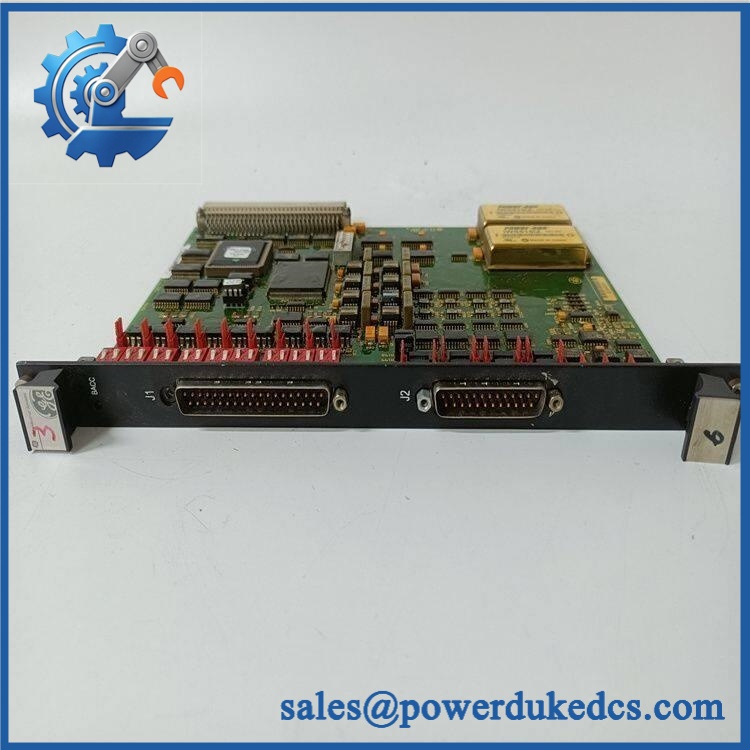
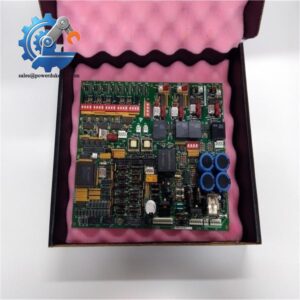
GE DS200SIOCG1AEA
Quality Assurance & Testing SOP
A replacement DS200SIOCG1AEA should pass a documented inspection sequence before shipment. The objective is to verify identity, physical condition, configuration, and available functional behavior rather than relying on visual appearance alone.
OEM anti-counterfeit visual inspection
Confirm the complete GE identification, board markings, revision characters, PCB construction, connector geometry, terminal labeling, component population, solder quality, and manufacturing consistency. Record high-resolution photographs of both sides of the board.
Revision and configuration verification
Check the G1AEA designation and compare the board against the customer’s existing part number. Inspect terminal blocks TB-1 through TB-5, the four 2-pin connectors, fuse location, and major component placement. Document differences between the supplied board and the customer’s removed unit.
Power-on diagnostic / POST check
Install the board only in an appropriate controlled Mark V test environment. Verify available rack power and system diagnostic indications during startup. Where the host system exposes RUN/ERR LED indications, record their startup state and confirm that no unexpected fault indication appears. Do not assume a generic PLC-style RUN/ERR LED architecture exists directly on this PCB; use the actual Mark V diagnostic scheme for acceptance.
I/O load testing
Exercise representative I/O channels through a controlled test fixture. Confirm expected signal continuity, terminal response, connector integrity, and the absence of intermittent behavior under simulated operating load. A simple continuity check is not sufficient for a safety-related or turbine-control spare.
Fuse and protection inspection
Inspect the onboard fuse for correct type, physical condition, and rating. If the installed fuse is open, determine the cause before energization rather than treating fuse replacement as the complete repair.
Thermal and visual observation
After controlled operation, inspect for abnormal heating, discoloration, odor, unstable signals, or connector heating. Record test duration and observed condition.
ESD and shipment control
Handle the PCB within an ESD-controlled work area. Package it in an antistatic bag with mechanical protection around terminal blocks, connectors, and board edges. Include inspection photographs and the final QC status with the shipment record.
Procurement & Lifecycle FAQ
Is the GE DS200SIOCG1AEA genuinely available for emergency shipment?
Specialist inventories currently list , with some suppliers advertising same-day shipment. Because this is obsolete Mark V hardware, availability can change at lot level. For an emergency requirement, obtain physical-stock confirmation, tested-condition status, and the day’s carrier cutoff before releasing the PO.
How is the condition and authenticity of an obsolete surplus board verified?
The purchasing file should include the complete GE part number, revision marking, PCB photographs, visual inspection record, and functional test status where testing is available. For higher-criticality applications, request serial or identification records, test documentation, and packing photographs. “New” should describe the actual physical condition, not merely the seller’s catalog category.
Are firmware compatibility issues something my engineers should check?
Yes, but the main concern is system and revision compatibility rather than routine firmware flashing on the SIOCG board itself. Verify the complete board suffix, installed Mark V application, revision history, connector configuration, and host-system diagnostics before installation. Do not assume that a visually similar SIOC board is an automatic substitute.
Is a direct replacement for every DS200SIOC board?
No. Treat it as a conditional replacement. The G1 group, full suffix, revision, installed application, and wiring configuration must be checked. Current technical listings identify the board specifically as a G1AEA variant, and available documentation indicates revision-specific considerations within the SIOC family.
What warranty and return terms should be written into the PO?
For obsolete or surplus electronics, the PO should state the supplied condition, exact part number, revision, functional test status, warranty duration, DOA definition, return authorization procedure, and responsibility for freight on an approved warranty return. The exact warranty period should be confirmed on the commercial quotation rather than assumed from a generic product listing.



 Start Chat


