

Description
- Brand: GE General Electric
- Full Model Number: DS200SLCCG1AEE
- Lifecycle Status: Obsolete / Legacy Mark V
- Core Function: LAN communications interface for GE Mark V drive and exciter systems
- Top 3 Technical Specs: DLAN + ARCNET circuitry | LAN Control Processor (LCP) | 2 replaceable EPROMs + dual-port RAM
- Stock & Condition: New Surplus / Physical stock and condition confirmation required
- Reference Manual: GEI-100162
- Board Revision: Functional A / Functional E / Artwork E
- Network Circuits: Isolated and non-isolated communication circuits
- Programmer Interface: 16-key alphanumeric programmer support
Obsolescence & Supply Chain Deep Dive
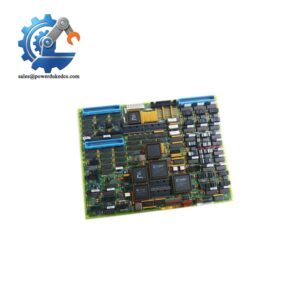
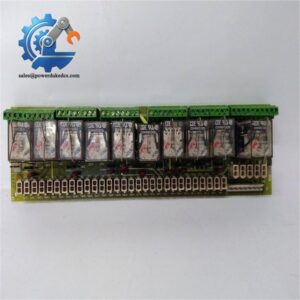
A Mark V communication fault can turn a relatively small board failure into a prolonged maintenance event when the exact legacy revision is difficult to source. The GE DS200SLCCG1AEE is identified as an SLCC LAN communication board for the Mark V family, providing the host drive with communication interfaces for both DLAN and ARCNET. Its architecture includes a LAN Control Processor, two replaceable EPROM memory modules for LCP program storage, and dual-port RAM for data exchange with the host drive control board. Exact revision control matters here: the documented A/E/E revision combination is part of the part identity, not a cosmetic detail.
From a TCO standpoint, a board-level replacement can defer the much larger expenditure associated with replacing an otherwise serviceable Mark V installation. Engineering labor, cabinet changes, application redevelopment, commissioning, shutdown planning, and site acceptance testing can all exceed the acquisition cost of a legacy spare. That makes an accurately identified surplus board relevant for plants protecting installed assets against extended downtime (though surplus availability can vary sharply by revision, and a physically similar SLCC board should not be approved without engineering verification). The G1 configuration is particularly important because its documented communication circuitry includes both DLAN and ARCNET, while other SLCC revisions can differ materially.
Compatibility & Replacement Matrix
| Replacement Scenario | Classification | Engineering / Procurement Advice | Estimated Switch Time | Estimated Switch Cost |
|---|---|---|---|---|
| DS200SLCCG1AEE replaced with the same DS200SLCCG1AEE revision | Drop-in Replacement | Match full part number, revision markings, connectors, jumpers, and installed application | 1–3 hours | Low; mainly technician labor plus spare cost |
| Same SLCC family with a different documented revision | Software Compatible / Engineering Verification Required | Compare hardware revision, network circuitry, memory configuration, and system documentation before installation | 2–6 hours | Moderate engineering review cost |
| Different SLCC generation with changed network circuitry | Hardware Modification / System Review Required | Do not approve from physical fit alone; verify network architecture and controller compatibility | 4 hours to several days | Moderate to high |
| Full Mark V control migration | Hardware Modification | Requires project engineering, configuration, commissioning, and site testing | Several days to weeks | High relative to board replacement |
For an exact DS200SLCCG1AEE replacement, the normal approach is a direct board exchange rather than a field firmware conversion. The board stores LCP program information in two replaceable EPROMs, so procurement should focus on matching the exact hardware revision and installed configuration rather than assuming a modern firmware-flash procedure applies.
Field Traps — Watch Out
- Wrong SLCC revision: G1 hardware is documented with both DLAN and ARCNET circuitry. Other SLCC revisions may have different network configurations, so a similar-looking board is not automatically interchangeable.
- Jumper configuration: JP14–JP16 are documented as selecting between RS-422 DLAN drivers and the isolated DLAN circuit. Record the existing jumper positions before removal and reproduce the approved configuration on the replacement board.
- EPROM and application matching: Check the board’s EPROM contents and revision identification against the existing system documentation before startup. A physically correct board with the wrong programmed configuration can still produce commissioning delays.
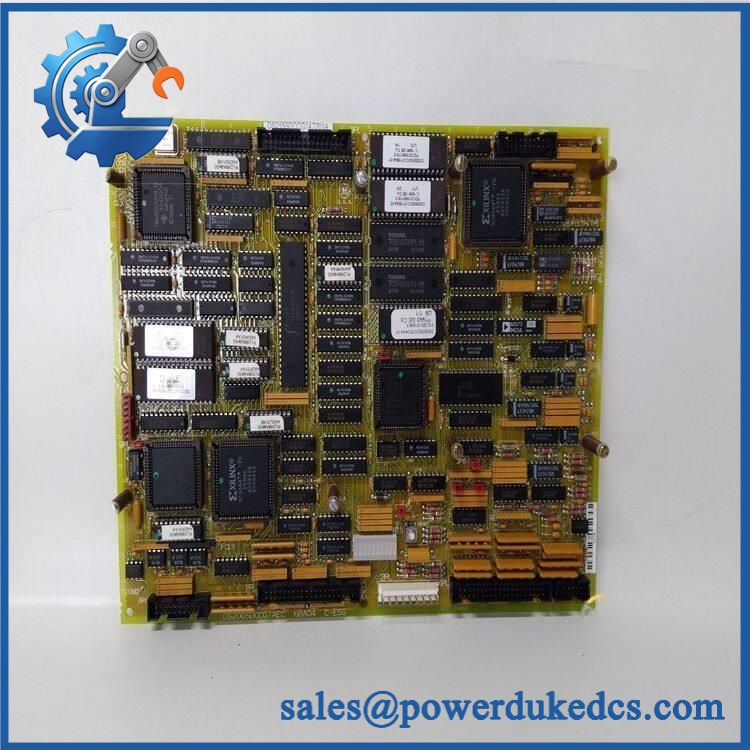
GE DS200SLCCG1AEE
Quality Assurance & Testing SOP
A legacy communication board should not be shipped solely on the basis of visual condition. The pre-shipment process should establish board identity, physical integrity, power-up behavior, and applicable communication performance before packing.
- OEM anti-counterfeit visual inspection: Verify GE identification markings, DS200SLCCG1AEE part number, revision codes, PCB silkscreen, connector arrangement, and component population against reference documentation.
- Physical PCB inspection: Examine the board for corrosion, cracked components, damaged traces, bent connector pins, thermal discoloration, contamination, and evidence of unauthorized rework.
- Revision and serial recording: Photograph the complete nameplate and all readable identification markings before testing.
- Power-on self-test (POST): Apply controlled power through an appropriate test setup and record normal startup behavior and available status indications.
- LCP verification: Confirm that the LAN Control Processor initializes without abnormal diagnostic behavior.
- Memory inspection: Verify the presence and physical condition of both EPROM modules associated with the LCP program storage.
- Communication-path testing: Test applicable DLAN and ARCNET paths using a compatible Mark V test environment or approved simulation fixture.
- I/O load testing: Where the installed test configuration permits, apply representative communication and signal loads to verify stable operation rather than relying on a no-load power-up.
- Jumper verification: Check JP14–JP16 against the documented application configuration before final release.
- Final QC record: Retain photographs, measured test results, revision information, and inspector sign-off with the shipment record.
Procurement & Lifecycle FAQ
Is the GE genuinely in stock and what is the cutoff for emergency shipping?
Physical inventory should be confirmed before the PO is released. For emergency replacement requirements, the RFQ should state quantity, destination, and required ship date so the supplier can confirm whether the actual unit has cleared inspection and can enter the shipping process that day.
How do you guarantee the condition and authenticity of an obsolete or surplus ?
The quotation should identify the condition as New Surplus, Factory Stock, Refurbished, or another clearly defined category. Request photographs of the actual GE nameplate, full number, revision markings, serial information, and the applicable QC report. For legacy boards, actual-unit documentation is more useful than generic catalog photography.
Are there firmware compatibility issues engineers should warn about before issuing the PO?
The primary concern is not simply a firmware flash. The SLCC architecture uses two replaceable EPROMs for LCP program storage, while jumper settings also affect DLAN operation. Engineering should verify the exact board revision, EPROM configuration, network arrangement, and JP14–JP16 settings before installation.
Is a direct replacement for every DS200SLCC board?
No. It is safer to treat the exact revision as the procurement target. The G1 configuration includes both DLAN and ARCNET circuitry, and other SLCC variants can differ in communication hardware. Exact part-number and application verification should be completed before substituting another revision.
What are the warranty terms and return policies?
The supplier’s quotation and PI should state the warranty duration, coverage, exclusions, and return authorization process in writing. For obsolete industrial electronics, the policy should also specify treatment of damage caused by incorrect installation, unauthorized modification, incompatible application, or field rework.


 Start Chat