

Description
- Brand: GE
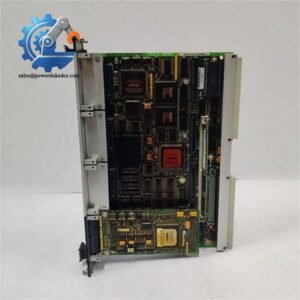
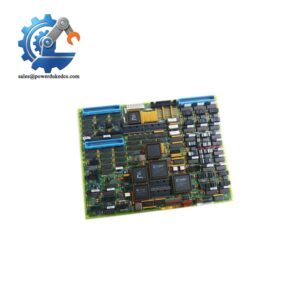
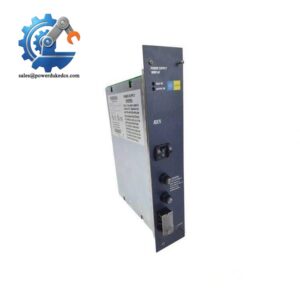
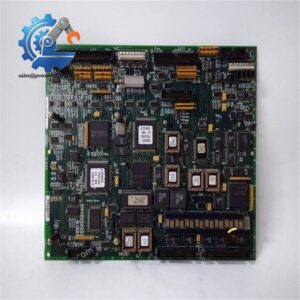
- Full Model Number: DS3800NB1F1B1A
- Lifecycle Status: Obsolete / legacy Mark IV series
- Core Function: Control signal processing board for GE Mark IV control systems
- Top 3 Technical Specs: Mark IV series; rack-mounted PCB; multi-pin system-bus interface
- Stock & Condition: New Surplus; availability subject to live stock verification; expedited dispatch available for verified inventory
The DS3800NB1F1B1A is documented as a GE Mark IV board used for control signal processing and installed in a standard system rack. Available technical references identify it as a board-level component rather than a modern PLC CPU or standalone controller.
Obsolescence & Supply Chain Deep Dive
Legacy Mark IV equipment creates a specific procurement problem: the control platform may remain operational while its original circuit boards become difficult to source. The GE DS3800NB1F1B1A is part of that older installed base, so a failed board can turn a routine maintenance event into an extended equipment outage. For plants maintaining aging turbine or industrial control assets, holding a verified spare can reduce the time between fault isolation and restoration—especially when factory-new production is no longer part of the normal supply channel. Current market references identify the DS3800NB1F1B1A as a legacy board with available surplus and refurbished sourcing options.
The economic case is mainly about avoiding unnecessary system replacement. Replacing a failed board preserves the installed rack architecture, engineering documentation, field wiring, and existing commissioning work, while a full controls migration introduces engineering hours, panel work, software changes, testing, production scheduling, and new spare-part requirements. For TCO analysis, compare the board purchase and commissioning labor against the total project cost of migrating the affected Mark IV controls. That calculation often makes sense when the surrounding system remains serviceable and only a discrete board has failed. The critical condition is identity matching: confirm the complete DS3800NB1F1B1A ordering code and board revision before releasing the PO.
Compatibility & Replacement Matrix
| Buyer Check | Assessment |
|---|---|
| Replacement Class | Drop-in Replacement for a failed DS3800NB1F1B1A when the replacement matches the existing board identification and application |
| Software Compatibility | No firmware-flash requirement should be assumed for this legacy board; verify the installed system documentation before energizing |
| Hardware Modification | Normally not required for a like-for-like board replacement |
| Typical Physical Swap | About 30–90 minutes for an experienced maintenance technician |
| Checkout and Functional Verification | About 1–3 hours depending on rack access and plant test procedures |
| Estimated Total Maintenance Window | Roughly 2–4 hours for a straightforward board exchange; plant-specific isolation and startup procedures can extend this |
| Engineering Approval | Match full part number, revision markings, connector configuration, and installed rack position before shipment |
Field Traps to Watch
Board Revision Mismatch: Do not approve a replacement solely because the base DS3800NB1 designation is similar. Verify the complete code and all visible revision or assembly markings against the failed board and system records.
Rack and System Configuration: This is a board-level Mark IV component. Connector engagement and rack position matter. Photograph the existing installation and record connector orientation and jumper or switch settings before removal; do not assume a neighboring DS3800 board is functionally interchangeable merely because the mechanical format is similar. The available technical reference describes the board as rack-installed with a multi-pin system-bus connection.
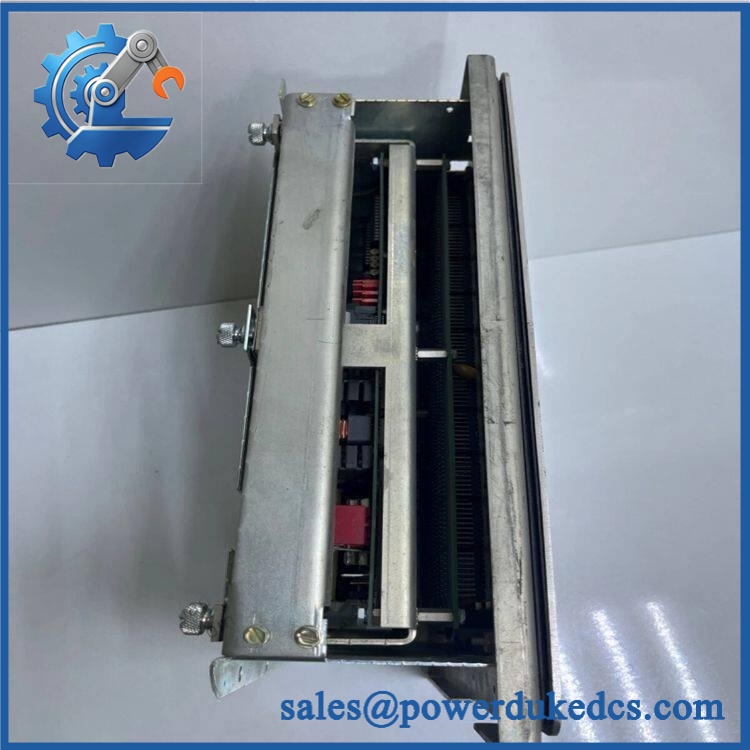
GE DS3800NB1F1B1A
Quality Assurance & Testing SOP
Every supplied should pass a documented inspection sequence before shipment:
- OEM anti-counterfeit visual inspection: Compare nameplate format, GE identification, board markings, assembly labels, connector condition, solder work, PCB finish, and revision markings against known reference characteristics.
- PCB physical inspection: Check for cracked traces, lifted components, corrosion, contamination, burned areas, damaged edge connectors, and mechanical stress around mounting points.
- Component-level visual screening: Inspect capacitors, resistors, IC packages, connectors, and discrete components for discoloration, leakage, impact damage, or unauthorized rework.
- Power-on self-test: Energize the board using an appropriate test setup and monitor expected ERR/RUN or applicable status indications. Record abnormal LED states rather than relying on visual appearance alone.
- System-bus communication check: Verify that the test fixture can recognize the board and that the expected control-system interface behaves normally.
- I/O load testing: Where the available test fixture supports the associated circuitry, apply representative signal or load conditions and verify stable response without intermittent faults.
- Extended run check: Operate the board under controlled conditions long enough to identify thermal instability or intermittent behavior.
- Final traceability check: Record model number, revision, serial or assembly identification when present, test result, inspection date, and shipment status.
The objective is not to claim factory-original production testing where no such evidence exists. The correct procurement record is a traceable pre-shipment inspection and functional test report tied to the exact unit supplied.
Procurement & Lifecycle FAQ
Is the GE genuinely available, and what is the emergency-shipping cutoff?
Availability should be confirmed against the physical unit before the PO is finalized. For emergency requirements, request same-day stock verification and dispatch cutoff confirmation at the quotation stage. Do not rely on a generic website quantity for outage-critical procurement.
How do you verify the condition and authenticity of an obsolete ?
The unit should be checked against its GE identification markings, complete part number, revision data, PCB condition, connectors, and component-level appearance before shipment. Functional testing should be documented for the exact board being supplied. Obsolete-board procurement should always retain traceability records for audit and maintenance files.
Could firmware or configuration cause compatibility problems?
This is a legacy board, so firmware-flash assumptions used with newer controller families do not automatically apply. The higher-priority checks are the complete board number, revision, rack position, connector arrangement, and system documentation. Engineering should confirm the replacement against the existing Mark IV configuration before installation.
What warranty should procurement require?
The written quotation should state the exact warranty period, coverage scope, DOA procedure, and return conditions before the PO is released. For obsolete inventory, warranty terms should be tied to the supplied unit and documented test status rather than described with generic statements.
Why buy a replacement board instead of upgrading the entire control system?
When the installed Mark IV architecture remains serviceable, a board replacement can avoid the engineering, panel modification, software migration, commissioning, validation, and spare-requalification costs associated with a complete controls upgrade. The decision should be based on failure frequency, remaining asset life, spare availability, outage cost, and projected five-year TCO.



 Start Chat