

Description
- Brand: GE
- Full Model Number: ESP10B
- Lifecycle Status: Legacy / Obsolete supply status
- Core Function: Industrial control and interface module
- Top 3 Technical Specs: 24 VDC reported; Ethernet communication reported; -40°C to +70°C reported
- Stock & Condition: New Surplus; physical stock and exact condition to be confirmed before order; expedited dispatch subject to cutoff
Published supplier references consistently associate ESP10B with GE industrial automation equipment, but the available descriptions are not technically consistent: one source identifies it as an industrial control module with 24 VDC input, Ethernet communication, -40°C to +70°C operation, and 0.8 kg weight, while other listings describe different I/O and interface configurations. These specifications should therefore be treated as reported values rather than OEM-verified data until the exact unit and supporting documentation are checked.
Obsolescence & Supply Chain Deep Dive
When an ESP10B-equipped control installation develops a hardware fault, the immediate procurement problem is identification, not simply replacement. Legacy GE inventory can be listed under inconsistent descriptions, and technically similar modules may not share the same electrical role or system interface. For maintenance teams supporting aging equipment, that creates a real risk of ordering a visually similar module that cannot be commissioned in the existing installation. The ESP10B should therefore be purchased against the complete part number, existing system documentation, connector arrangement, and installed application rather than against a generic “GE control module” description. Current commercial references show ESP10B offered as an industrial automation module, but they do not provide a single authoritative OEM specification set.
The TCO case depends on the remaining service life of the surrounding system. Replacing one failed module can avoid the engineering, programming, panel work, commissioning, validation, and spare-part requalification associated with a broader controls migration. That can be economically justified when the installed architecture remains serviceable and the required replacement is a genuine match. The procurement advantage is greatest when a tested surplus unit is already available, because the maintenance team can shorten the material lead time instead of waiting for a long obsolete-part sourcing cycle. The critical control point remains technical verification; a lower purchase price is not a saving if the module fails the application’s electrical or communications requirements.
Compatibility & Replacement Matrix
| Buyer Check | Procurement Guidance |
|---|---|
| Replacement Class | Same-model replacement only unless OEM documentation confirms interchangeability with another ESP-series part |
| Software Compatibility | To be verified; do not assume firmware or configuration compatibility from the ESP10B designation alone |
| Hardware Modification | Not expected for an exact like-for-like replacement, subject to connector, mounting, and system verification |
| Typical Physical Swap | Approximately 30–90 minutes for an experienced technician |
| Functional Checkout | Approximately 1–3 hours depending on access, controls isolation, and system commissioning requirements |
| Estimated Maintenance Labor Allowance | Roughly 2–4 technician-hours; actual cost varies by site labor rate and shutdown procedure |
| PO Approval Requirement | Match full identification, installed location, connectors, electrical ratings, and application documentation |
Field Traps to Watch
Specification conflict: Publicly available listings disagree on voltage range, I/O arrangement, communication interfaces, and environmental ratings. One listing reports 24 VDC, while another reports 10–30 VDC and different interface data. Do not release a replacement PO using those values as engineering acceptance criteria without documentation tied to the actual unit.
Application mismatch: Some commercial references describe as an input module, while others classify it as a communications or industrial control module. This indicates that generic catalog descriptions are insufficient for a critical replacement decision. Verify the existing cabinet drawing, rack position, connector configuration, and module function before installation.
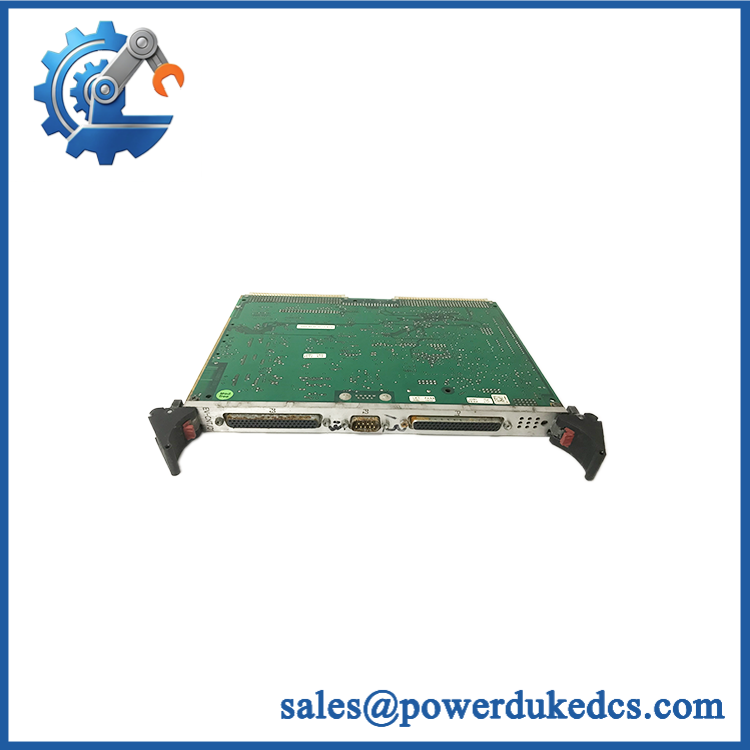
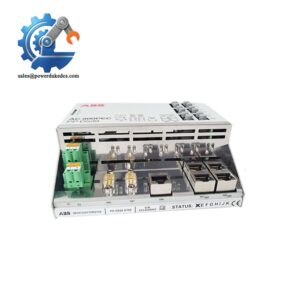
GE ESP10B
Quality Assurance & Testing SOP
A surplus should be processed through a documented inspection sequence before shipment:
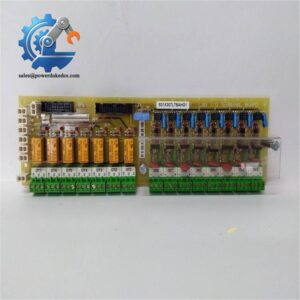
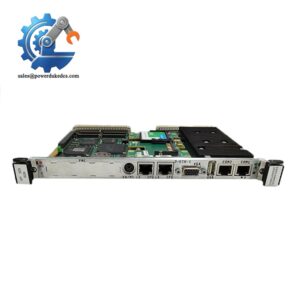
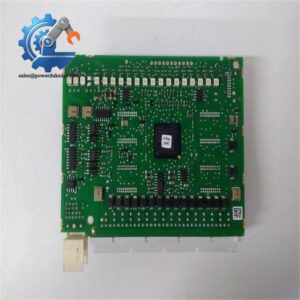
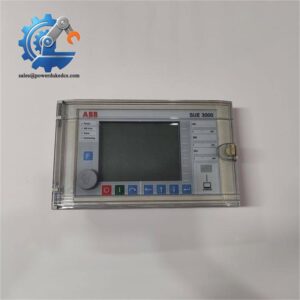
- OEM anti-counterfeit visual inspection: Verify GE identification markings, complete model designation, labels, PCB markings, connector construction, component placement, and evidence of unauthorized rework.
- Mechanical inspection: Check enclosure or PCB condition, mounting points, connector pins, terminals, fasteners, and signs of impact or corrosion.
- Component inspection: Examine capacitors, IC packages, connectors, transformers, relays, and other visible components for discoloration, cracking, leakage, oxidation, or heat damage.
- Power-on self-test (POST): Energize the unit using an appropriate controlled test fixture and check ERR/RUN LEDs where fitted, recording every abnormal indication rather than relying on a visual pass.
- Supply verification: Confirm the test setup applies the correct voltage for the specific configuration being evaluated; conflicting published specifications make assumption-based testing inappropriate.
- Communication check: Where the test fixture supports the applicable interface, verify expected communications behavior and confirm there are no intermittent link or diagnostic faults.
- I/O load testing: Where application hardware supports I/O testing, apply representative input and output loads and record response stability under controlled conditions.
- Thermal observation: Monitor the unit during an extended powered test to identify abnormal temperature rise, resets, intermittent operation, or communication loss.
- Traceability record: Record model number, serial or assembly identification where available, inspection date, test fixture, test results, photographs, and final shipment status.
The final QC record should distinguish between visual inspection, electrical testing, and functional testing. No claim of OEM factory testing should be made unless original GE documentation supports that claim.
Procurement & Lifecycle FAQ
Is the GE genuinely in stock and what is the emergency-shipping cutoff?
Physical stock should be confirmed before a purchase order is released. For an outage-critical requirement, request confirmation of the exact unit, condition, serial or assembly identification when available, and same-day shipping cutoff. A website listing alone should not be treated as proof of physical inventory.
How do you verify the condition and authenticity of an obsolete or surplus ?
The unit should undergo identification verification, PCB and connector inspection, component-level visual screening, controlled power testing, and functional checks appropriate to the available test fixture. Documentation should be tied to the exact unit supplied. This is particularly important because publicly available descriptions are inconsistent.
Are there firmware compatibility issues engineers should check before the PO?
Yes. The available references do not establish a single authoritative firmware or configuration requirement for . Engineering should verify the installed system architecture, software environment, interface type, electrical requirements, and any board or module revision information before approving the replacement.
What warranty terms and return conditions should procurement require?
The quotation should state the warranty duration, coverage, DOA procedure, inspection period, return authorization process, and exclusions in writing. For surplus stock, the warranty should apply to the specific tested unit supplied rather than to an unspecified product family.
What information should be included in the purchase order?
Specify , required condition, test requirement, warranty period, identification and traceability requirements, delivery deadline, and any documentation required with shipment. For a critical spare, include photographs or the original failed-unit identification as part of the internal approval package.



 Start Chat