

Description
- Brand: GE General Electric
- Full Model Number: EVPBDP0001 EVPBDP032
- Lifecycle Status: Legacy / Status to be verified
- Core Function: Industrial control / embedded controller module
- Technical Classification: GE industrial control module
- Part Numbers: EVPBDP0001; EVPBDP032
- Reported Application: Industrial automation and control systems
- Reported Form: Embedded control board / module
- Reported Communication: Ethernet / fieldbus interfaces claimed by secondary listings
- Stock & Condition: Exact physical stock and condition to be confirmed before PO; New Surplus or Tested Stock subject to quotation
Public listings identify GE EVPBDP0001 EVPBDP032 as an industrial control or embedded controller module. However, the available secondary sources provide conflicting specifications, including different descriptions of its application and electrical characteristics. Those values should therefore be verified against the actual unit and applicable GE documentation before engineering approval.
Obsolescence & Supply Chain Deep Dive
For a legacy GE control installation, the main procurement risk with EVPBDP0001 EVPBDP032 is not simply finding a board with the same general appearance. Exact identification matters. Specialist inventory sources list the part as a GE controller or embedded circuit-board module, while other listings classify it as an I/O or digital output device. Because these descriptions conflict, buyers should not approve a replacement using generic specifications copied from a reseller listing. The actual nameplate, PCB markings, connector arrangement, installed cabinet position, and system documentation should establish the part’s function.
From a TCO perspective, retaining an exact spare can be preferable to redesigning an operating control system when the immediate requirement is restoration of an existing installation. The cost calculation should include outage exposure, engineering hours, software validation, commissioning, emergency freight, and procurement lead time. For this particular part number, documentation verification is especially important because public technical descriptions are inconsistent (do not rely on a claimed 24 VDC rating, communication protocol, dimensions, or I/O function without confirming the exact hardware).
Compatibility & Replacement Matrix
| Approval Item | EVPBDP0001 EVPBDP032 Assessment | Buyer Action |
|---|---|---|
| Replacement Type | Exact-part-number replacement candidate; system equivalence requires verification | Match both EVPBDP0001 and EVPBDP032 markings |
| Software/Firmware | Configuration requirements not reliably established in public documentation | Verify installed firmware/software before PO |
| Hardware Modification | No modification should be assumed | Compare connectors, mounting, and cabinet position |
| I/O Function | Public descriptions conflict | Verify actual electrical role from system documentation |
| Communication | Secondary listings claim Ethernet/fieldbus capability, but this requires verification | Confirm the actual interface before integration |
| Estimated Physical Replacement | Approximately 0.5–2 hours for qualified personnel, excluding system testing | Follow the equipment-specific maintenance procedure |
| Commissioning | Required | Verify communication, diagnostics, and application functions |
Field Traps — Watch Out
- Conflicting specifications: One source describes the part as a GE industrial control module with claimed 24 VDC operation and Modbus/Profibus interfaces, while another describes it as an embedded circuit-board module. These claims should not be treated as confirmed OEM specifications.
- Part-number interpretation: The listing combines and EVPBDP032. Before purchasing, request a photograph of the actual identification label and confirm whether these are two markings on one assembly, an assembly-plus-component designation, or separate related identifiers.
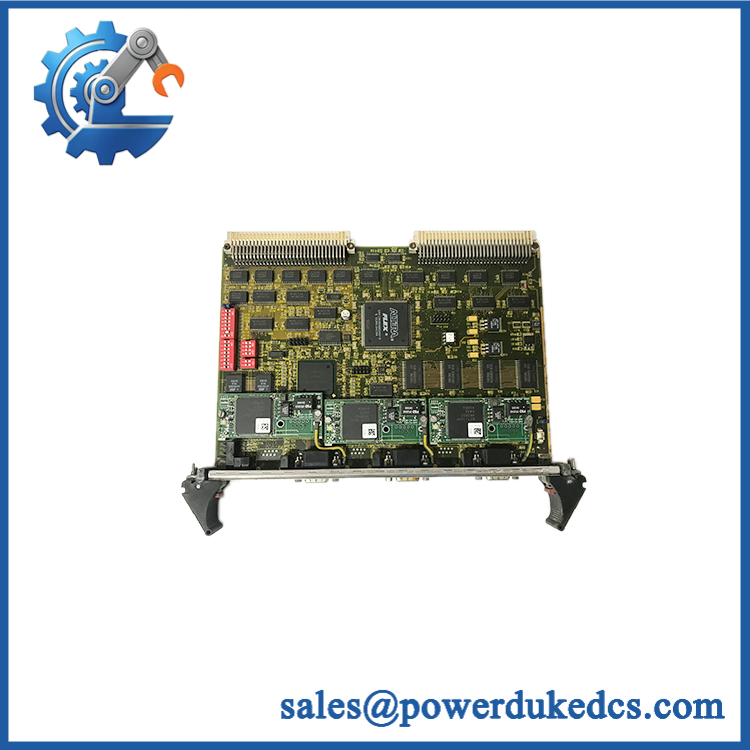
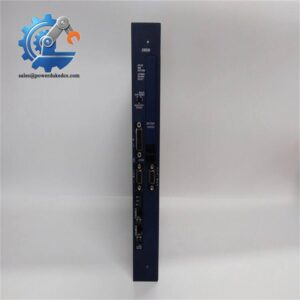
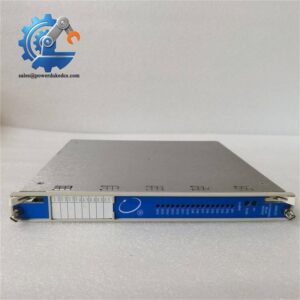
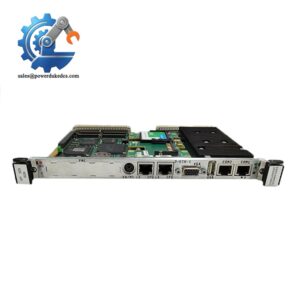
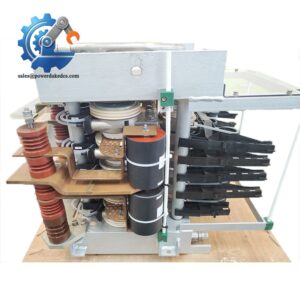
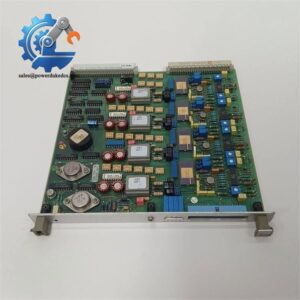
GE EVPBDP0001 EVPBDP032
Quality Assurance & Testing SOP
Because reliable OEM-level documentation for this exact assembly is limited in publicly available sources, the QA process should prioritize physical identification and application-specific testing.
- Part-number verification: Confirm the actual unit carries the and/or EVPBDP032 identification required by the purchase specification.
- Revision verification: Record every visible assembly, PCB, artwork, and revision identifier.
- OEM anti-counterfeit visual inspection: Examine GE labels, PCB artwork, component markings, solder quality, connector construction, and evidence of unauthorized rework.
- Physical inspection: Check for corrosion, contamination, cracked components, damaged traces, bent pins, loose hardware, and PCB coating damage.
- Connector inspection: Compare connector quantity, keying, pin condition, and layout with the customer’s installed unit.
- Component inspection: Examine major processors, memory devices, power components, communication interfaces, and other application-specific components.
- Power-on self-test (POST): Where an approved test fixture exists, power the module under controlled conditions and verify expected diagnostic behavior.
- Communication testing: Test each documented interface using the appropriate GE control-system test environment.
- I/O load testing: If the unit is confirmed to perform I/O functions, apply representative loads within the documented electrical limits.
- Configuration verification: Compare switches, jumpers, firmware identifiers, or stored configuration data against the customer’s approved configuration.
- System-level test: Where a compatible test rack is available, verify communication, diagnostics, and application-specific operation.
- Final QA record: Record part number, revision, serial/identification data, inspection results, test date, and inspector approval before packing.
A generic bench power-up should not be presented as proof of full system compatibility. Given the inconsistent public descriptions of this part, acceptance testing should be based on the actual installed GE system and its approved documentation.
Procurement & Lifecycle FAQ
Is the GE genuinely in stock, and what is the cutoff for emergency shipping?
The exact part number appears in multiple specialist inventory listings, including listings that state stock availability. That does not establish live physical inventory for a particular supplier. Before releasing an emergency PO, confirm quantity, exact identification, condition, test status, packing completion, carrier, and same-day shipping cutoff.
How do you verify the condition and authenticity of an obsolete or surplus ?
Request photographs of the actual unit showing the identification label, PCB markings, connectors, and major components. The QA record should include visual inspection and functional-test results where suitable test equipment is available. For New Surplus stock, request confirmation that the unit has not been previously installed or repaired.
Are there any firmware compatibility issues I should warn my engineers about before issuing the PO?
Yes. Firmware and configuration should be verified before installation. Public sources do not provide a sufficiently reliable OEM firmware specification for this exact combination of part numbers, so engineers should compare the installed unit’s firmware/configuration with the replacement before approval.
Is the a direct replacement for another GE control module?
Do not assume interchangeability. The available descriptions do not establish a documented cross-reference to another GE model. The complete part-number markings, connector configuration, electrical interfaces, firmware, and cabinet application should be matched before an alternate is approved.
What are the warranty and return terms?
The quotation should specify the warranty period, DOA coverage, return window, accepted condition, and functional-test coverage before the PO is released. For this type of legacy GE hardware, clearly identify whether the supplied unit is New Surplus, Tested Refurbished, or repaired stock, together with the inspection basis supporting that condition.



 Start Chat