

Description
- Brand: GE
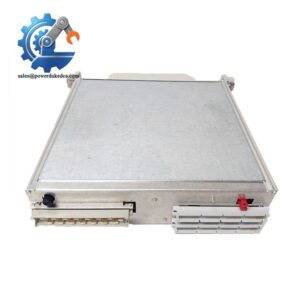
- Full Model Number: HWA143-TDM-PMC-V20
- Lifecycle Status: Obsolete / Legacy — current supplier records identify the part as discontinued; independent lifecycle confirmation is recommended
- Core Function: TDM communication interface implemented as a PMC-format circuit card
- Top 3 Technical Specs: TDM interface; PMC form factor; V20 hardware revision
- Stock & Condition: Lot-specific; New Surplus or Tested Refurbished; dispatch subject to physical stock and QC release
Public documentation for this exact GE part number is limited. Available product records consistently identify HWA143-TDM-PMC-V20 as a GE PMC/TDM communication card, while published specifications from different sellers conflict on voltage, dimensions, I/O count, and host-system compatibility. Those disputed figures should not be used for an engineering PO without nameplate and system-document verification.
Obsolescence & Supply Chain Deep Dive
For a legacy control cabinet containing an HWA143-TDM-PMC-V20, the sourcing risk is not simply finding a board with the same commercial description. It is matching the exact hardware revision, PMC interface arrangement, TDM implementation, connector configuration, and host carrier requirements before the replacement reaches the plant. Publicly indexed information for this model is sparse, and at least one current inventory record identifies the part as discontinued. That makes controlled surplus sourcing relevant when an installed card has failed and the original system still needs to remain operational. —Do not substitute a V10, V20, or another HWA143 variant solely because the family name is similar.
From a TCO perspective, a verified replacement card can avoid the much larger engineering cost associated with redesigning a host controller, changing the PMC carrier architecture, converting application software, retesting communications, and recommissioning the affected cabinet. The economic case is strongest where the surrounding hardware remains serviceable and the HWA143-TDM-PMC-V20 is a known installed component. Because an OEM technical manual for this exact suffix was not located during verification, compatibility should be approved from the actual installed card, carrier documentation, revision marking, and cabinet test procedure rather than from generic reseller specifications.
Compatibility & Replacement Matrix
| Replacement Scenario | Replacement Class | Required Engineering Action | Estimated Switch Time | Budgetary Cost Estimate |
|---|---|---|---|---|
| Exact HWA143-TDM-PMC-V20 revision replacing the same part | Conditional Drop-in Replacement | Confirm carrier, connectors, revision and system configuration; perform post-installation communication test | 1–3 labor hours | 150–450 labor |
| -TDM-PMC-V20 with a different hardware suffix or revision | Software/Hardware Compatibility Review | Compare board revision, interface mapping and host requirements before installation | 2–6 hours | 200–900 engineering |
| Different family communication card | Not a drop-in replacement | Validate PMC electrical/interface requirements and TDM configuration; software changes may be required | 4–12+ hours | 400–1,500+ |
| Migration to a newer controller or communication architecture | Hardware Modification | Replace carrier/controller, convert configuration, validate communications and recommission system | 2–10+ engineering days | Project-specific |
Field Traps (Watch Out)
PMC Carrier Compatibility: The “PMC” designation is important. A PMC-format card still requires a carrier or host designed for its electrical interface, connector arrangement, power requirements, and software environment. Do not assume any generic PMC slot is electrically or functionally equivalent.
Conflicting Published Specifications: Public seller records give materially different values for power supply, dimensions, I/O functions, temperature range, and even system family. One listing describes a PMC/TDM communication card, while another assigns unrelated analog-I/O specifications. These discrepancies are a direct reason to verify the physical board and original system documentation before releasing the PO.
Revision Control: Confirm the complete marking , not only or TDM-PMC. A visually similar board with another suffix can create an integration problem despite appearing mechanically similar.
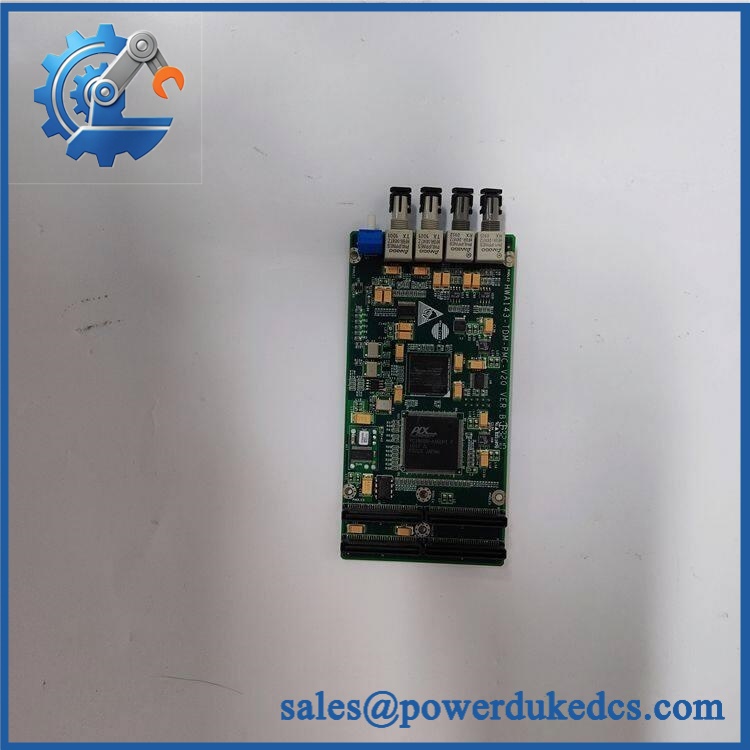
GE HWA143-TDM-PMC-V20
Quality Assurance & Testing SOP
Incoming identity inspection
- Photograph the complete board before testing
- Record model number, hardware revision, serial/date code and visible manufacturer markings
- Compare PCB layout, connectors, mounting features and labeling against the approved reference unit
- Verify the order record against the physical
marking
OEM anti-counterfeit visual inspection
- Examine labels for inconsistent fonts, altered markings, adhesive replacement or surface abrasion
- Inspect PCB silkscreen, component references, solder work and connector quality
- Check for evidence of board rework, corrosion, contamination or unauthorized component replacement
- Reject units with unexplained serial-number removal or inconsistent identification
Power-on self-test (POST)
- Install the card only in a verified compatible test carrier
- Apply controlled power and monitor startup behavior
- Check for normal host recognition and initialization
- Check ERR/RUN LEDs where those indicators are present on the installed carrier or system
- Record any diagnostic, bus, communication, or initialization fault codes
- Do not create an acceptance criterion around an LED designation that is not documented for the exact hardware revision
Communication and interface testing
- Verify the PMC interface is detected by the designated host
- Confirm expected TDM communication activity using the approved system test fixture
- Exercise representative transmit/receive traffic where the test environment supports it
- Check connectors for intermittent contact during controlled operation
I/O load testing
- Perform I/O load testing only when the installed application includes associated I/O functionality
- Exercise representative connected channels or simulated loads
- Record signal integrity, communication response, and fault behavior
- Do not claim channel-count performance that has not been established from OEM documentation
Final release
- Attach test records to the serial-controlled inventory entry
- Photograph the tested unit and identification markings
- Apply an internal QC status showing inspection and functional-test disposition
- Package in ESD protection with mechanical cushioning appropriate for a PCB assembly
Procurement & Lifecycle FAQ
Is the GE genuinely in stock, and what is the cutoff for emergency shipping?
Availability must be confirmed against the physical inventory lot before the PO is released. For emergency requirements, request written confirmation of quantity, condition, QC completion, and same-day shipping cutoff. A website status alone should not be treated as a warehouse commitment.
How do you verify the condition and authenticity of an ob or surplus ?
The verification process should include full part-number matching, revision and serial inspection, PCB examination, connector inspection, anti-counterfeit checks, and powered functional testing on an appropriate carrier. For this model, that physical verification is particularly important because public technical records are incomplete and conflicting.
Are there firmware or configuration issues my engineers should check before issuing the PO?
Yes. The main risk is not a documented universal firmware-flash requirement; it is uncertainty around the exact host and TDM implementation. Engineers should verify the carrier board, host controller, software/configuration version, TDM interface definition, hardware revision, and connector assignment against the installed system documentation before purchase approval. No unsupported firmware version should be specified as a universal requirement.
What warranty terms and return policy apply?
For obsolete or surplus inventory, the commercial quotation should specify the warranty duration, DOA coverage, failure-reporting period, return-authorization procedure, and any conditions governing installation damage. The warranty offered by the independent supplier should be stated separately from any historical OEM warranty.
placing the more economical than upgrading the entire control system?
The answer depends on the remaining system condition and the required service life. Compare the replacement-card cost with controller migration, new carrier hardware, software engineering, communications testing, panel modifications, validation, commissioning, and production downtime. When the surrounding architecture remains serviceable, a verified replacement can avoid those larger project costs.



 Start Chat