

Description
- Brand: GE Fanuc
- Full Model Number: IC660ELB921M
- Base Model: IC660ELB921
- System/Series Family: GE Genius I/O
- One-Sentence Core Function: Single-channel PC Interface Module linking an IBM PC-compatible host computer to the GE Genius serial I/O network
- Top 3 Hardcore Specs: Single Genius channel; 5 VDC ±10% supply; 400 mA maximum current
- Host Interface: PC/AT-compatible single-slot board
- Software Environment: DOS-based PCIM configuration/driver environment
- Stock Status: New Surplus / Fully Tested Refurbished subject to actual inventory inspection
Module 3: Commercial-Technical Deep Dive
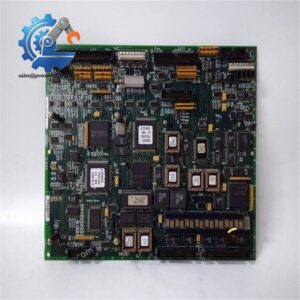
A PC-based Genius network can become difficult to maintain when its interface card fails because the host computer is no longer able to exchange data with the distributed I/O blocks. The GE IC660ELB921M belongs to the IC660ELB921 Single-Slot PCIM family, a GE Fanuc Genius interface card designed for an IBM PC-compatible host. The original GE documentation identifies IC660ELB921 as the single-channel PCIM, while IC660ELB922 is the corresponding dual-channel version. The card provides the interface between the PC and the Genius serial bus rather than acting as a PLC CPU or Ethernet adapter.
The practical value is preserving a legacy PC-based Genius diagnostic, supervisory, or data-acquisition application without replacing the Genius field network. GE’s PCIM manual specifies a 5 VDC ±10% supply with 400 mA maximum consumption, one Genius serial-bus channel, and an IBM PC/AT-compatible single-slot board. The documentation also describes the required software environment, including DOS and GE-supplied configuration/driver files such as dpcimcfg.exe and pcim.lib. One important correction for procurement: the IC660ELB921 family is a Genius PCIM interface, not a native Ethernet interface. A secondary listing that describes the suffix-M unit as an Ethernet module conflicts with the original GE documentation and should not be used as the technical basis for replacement.
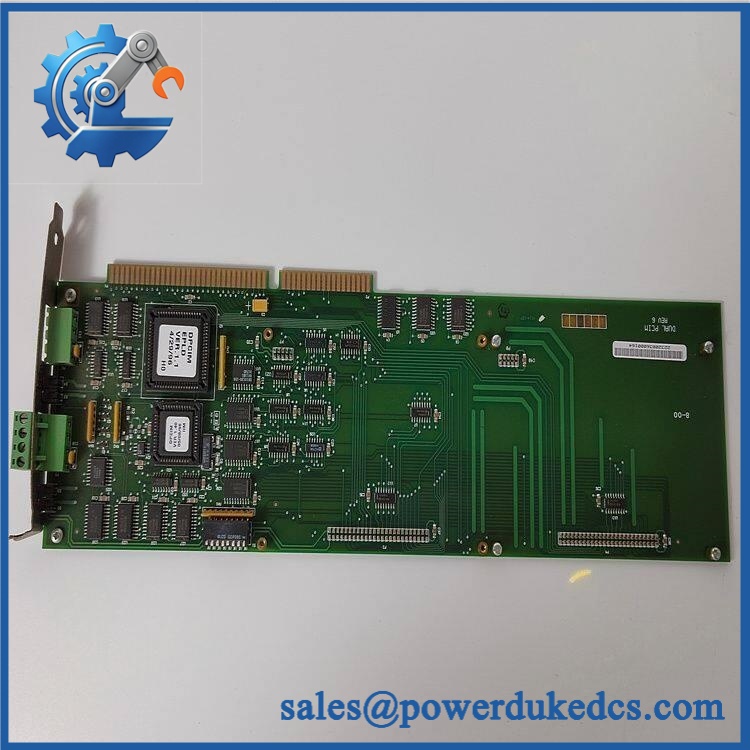
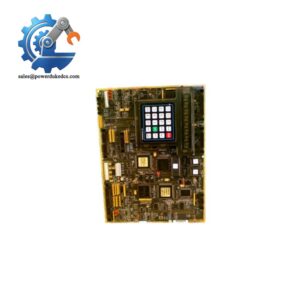
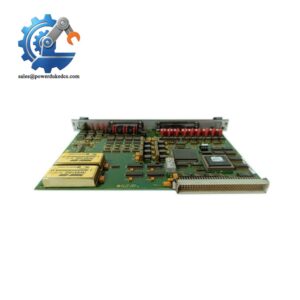
GE IC660ELB921M
Module 4: Compatibility & Installation Traps
Migration/Compatibility
- Replacement status: GE Fanuc Genius Single-Slot PCIM Interface Card
- Logic rewrite: Normally not required when replacing an identical PCIM and retaining the existing Genius application and host configuration.
- Firmware flash: Not normally applicable to the PCIM in the same manner as a modern PLC CPU; the host-side software/configuration is the more important compatibility point.
- Drop-in status: Potentially direct at the hardware level when the host computer, ISA/PC-AT slot, Genius bus wiring, and software environment are unchanged.
- Base function: IC660ELB921 = Single-slot PCIM, one Genius channel.
- Power: 5 VDC ±10%, 400 mA maximum.
- Bus architecture: Genius serial bus rather than standard Ethernet. Genius is a GE proprietary serial network operating at approximately 156 kbaud in the classic architecture.
- Dual-channel alternative: IC660ELB922 is the two-channel PCIM; do not substitute it without checking the application and software configuration.
⚠️ Field Traps (Watch Out)
- PC slot compatibility: This is an older single-slot PC/AT-style interface card. A modern PCI/PCIe industrial PC is not automatically compatible. Confirm that the host actually provides the required legacy bus environment.
- Software dependency: The original PCIM environment uses DOS-era configuration and driver software. A replacement card may be electrically correct while the host software cannot initialize it under a modern operating system.
- Genius address/configuration: Preserve the Genius network configuration and host-side parameters before removing the original card.
- Ethernet misconception: Do not purchase or wire this unit as an RJ45 Ethernet interface. The IC660ELB921 is documented as a Genius serial PC interface.
- ESD handling: The card contains legacy computer-interface electronics and should be handled using grounded ESD procedures.
Module 5: Quality Assurance SOP
Before shipment, the GE IC660ELB921M should undergo a legacy-PC-interface-specific QA sequence:
- OEM anti-counterfeit visual inspection — verify GE Fanuc markings, family identification, revision/suffix marking, edge connector, external Genius connection interface, and PCB construction.
- Part-number reconciliation — record the exact IC660ELB921M marking and retain the base relationship in the inspection record.
- Mechanical inspection — inspect the ISA/PC-AT edge connector, board mounting bracket, external connector, PCB surface, and component population for damage or contamination.
- Power-input verification — apply a controlled 5 VDC ±10% source and monitor startup current. The documented maximum is approximately 400 mA.
- Power-on self-test (POST) — install the board in a compatible PC/AT test platform and verify expected initialization behavior.
- PCIM software handshake — load the appropriate legacy PCIM configuration/driver environment and confirm that the host recognizes the interface card.
- Genius Bus communication handshake — connect the PCIM to a compatible Genius network and verify communication with known-good Genius devices.
- Single-channel verification — verify stable communication on the one supported Genius channel across representative network traffic.
- Address/configuration verification — confirm that the host software can identify the intended Genius devices and preserve the configured network mapping.
- Data-transfer test — exchange controlled input/output data with a compatible Genius I/O device and confirm repeatable data integrity.
- Continuous-operation test — operate the card for a controlled period under representative bus traffic and monitor for communication loss or abnormal temperature.
- Final QC record — document exact part number, host platform, software environment, Genius network configuration, communication results, photographs, and packaging condition.
For this card, a simple power-up is not enough. PC host recognition, Genius bus communication, software-driver operation, and sustained data exchange are the meaningful acceptance criteria.
Module 6: CRO-Driven Buyer FAQ
1. Is GE IC660ELB921M obsolete, and how do I verify an authentic replacement?
The is legacy GE Fanuc Genius PC interface hardware. GE’s original documentation identifies it as a single-channel, single-slot PCIM, while IC660ELB922 is the dual-channel version. Because the suffix M is not clearly defined in the public original manual I found, request a clear photograph of the complete PCB and label before purchasing and match the physical hardware rather than relying on the suffix alone.
2. Can I hot-swap the IC660ELB921M?
No. This is a host-computer expansion card, not a hot-swappable Genius field device. Shut down the PC, remove power, discharge the host as required, and use proper ESD precautions before removing the card.
3. Will replacing the PCIM require PLC programming?
Normally no PLC logic rewrite is required because the PCIM is a host communication interface. However, the PC-side Genius configuration, driver/library installation, I/O mapping, and application startup sequence must be preserved. The original GE software environment includes DOS-based utilities and PCIM libraries.
4. Is an Ethernet interface card?
No, not according to the original GE documentation. The is documented as a single-channel Genius PCIM, interfacing an IBM PC-compatible computer with the Genius serial bus. A current secondary listing calling the suffix-M variant an Ethernet interface conflicts with that documentation and should be treated cautiously.
5. What are the key electrical specifications?
The original PCIM manual specifies 5 VDC ±10% host power with 400 mA maximum current, and the board is an IBM PC/AT-compatible single-slot card. The Genius network connection itself is a proprietary serial interface rather than conventional Ethernet.
Warranty and Technical Support
Warranty duration should be stated according to the actual inventory condition, such as new surplus or tested refurbished. Technical support should cover exact identification, host-bus compatibility, PCIM driver environment, Genius network configuration, communication testing, and documented pre-shipment QA. Legacy PC operating-system recovery and live Genius-network commissioning remain the responsibility of qualified system personnel.


 Start Chat