

Description
- Brand: GE Fanuc
- Full Model Number: IC670GBI102D
- System/Series Family: Field Control / Genius I/O
- One-Sentence Core Function: Genius Bus Interface Unit connecting a Field Control I/O station to a host PLC or computer
- Top 3 Hardcore Specs: 128 bytes input data; 128 bytes output data; Genius bus communication
- Module Type: Genius Bus Interface Unit
- Station Role: Field Control station controller
- Host Interface: Genius serial bus
- I/O Data Capacity: Up to 128 bytes input and 128 bytes output per Genius bus scan
- Supported Functions: Fault reporting, I/O defaults, analog scaling, range selection, diagnostics
- Redundancy: CPU and Genius bus redundancy supported by the Field Control architecture
- Configuration: Genius bus address, baud rate, I/O mapping, fault reporting, redundancy, and module parameters
- Configuration Tool: Genius Hand-held Monitor
- Mounting: Dedicated BIU terminal block / Field Control station
- Revision: D
- Stock Status: New Surplus / Fully Tested Refurbished subject to availability
GE’s Field Control documentation identifies the Genius Bus Interface Unit as the station-level interface between Field Control I/O modules and a host PLC or computer over the Genius bus. The documented BIU architecture supports up to 128 bytes of input and 128 bytes of output data per Genius bus scan, along with fault reporting, analog scaling, diagnostic functions, and redundant-bus operation.
Module 3: Commercial-Technical Deep Dive
A failed IC670GBI102D can remove an entire Field Control I/O station from the host PLC, even though the individual I/O modules and terminal blocks remain physically intact. The GE Field Control Genius BIU sits at the station boundary: it communicates with the host through the Genius bus, manages the attached Field Control modules, and provides the data exchange path for the complete station. GE documentation describes the BIU as an intelligent module capable of exchanging up to 128 bytes of input data and 128 bytes of output data during each Genius bus scan. It also performs diagnostic checks and can report module and station faults to the host.
The configuration layer is just as important as the hardware. The Field Control BIU stores and manages the Genius serial bus address, baud rate, fault-reporting behavior, redundancy settings, configuration protection, and I/O module configuration. Analog modules can also have range, scaling, and alarm parameters defined through the station configuration. A Genius Hand-held Monitor can be used for configuration, while properly configured systems can also receive configuration through Genius datagrams. Therefore, a replacement BIU that simply powers up is not yet a validated spare; its station configuration, network identity, module map, and host communication must be checked before the station is returned to service.
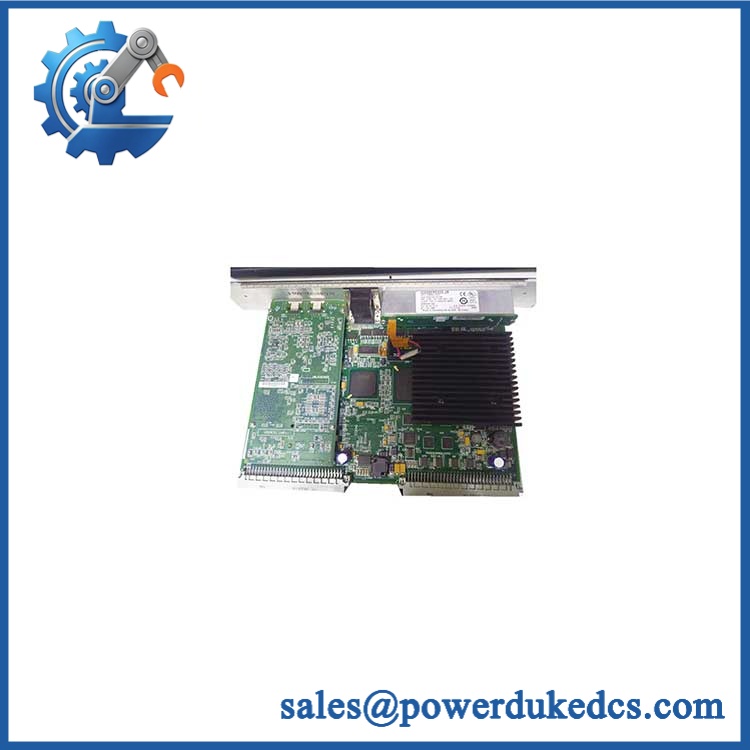
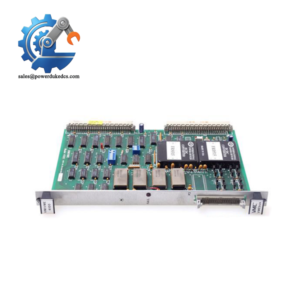
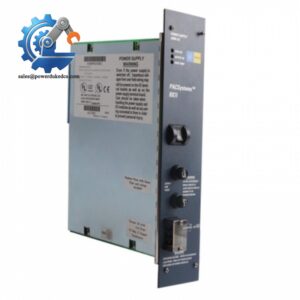
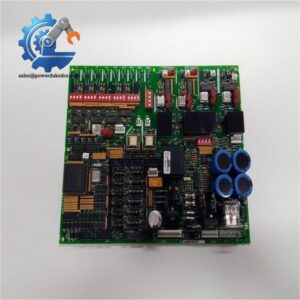
GE IC670GBI102D
Module 4: Compatibility & Installation Traps
Migration/Compatibility
- System: GE Fanuc Field Control / Genius I/O
- Full Model: IC670GBI102D
- Module Type: Genius Bus Interface Unit
- Primary Role: Field Control station-to-host interface
- Host Connection: Genius serial bus
- Station Data: Up to 128 bytes input and 128 bytes output per Genius bus scan
- Configuration: Bus address, baud rate, fault reporting, redundancy, I/O references, module configuration
- Configuration Tool: Genius Hand-held Monitor
- Terminal Base: Dedicated BIU terminal block
- Architecture: Supports CPU and Genius bus redundancy where configured
- Replacement Type: Exact IC670GBI102D revision match preferred
- Logic Rewrite: Normally not required for like-for-like replacement; station configuration must be restored and verified
⚠️ Field Traps (Watch Out)
1. Verify the exact BIU catalog number before ordering.
GE Field Control documentation identifies multiple BIU designations, including IC670GBI002 and IC697GBI102 in its published manual. Because the requested part is IC670GBI102D, the physical nameplate and installed station documentation should be treated as the final identification reference rather than assuming all GBI variants are interchangeable.
2. Preserve the Genius bus address and baud rate.
The BIU configuration includes both parameters. A replacement can pass its electrical startup test and still remain offline because the bus address or communication speed does not match the existing Genius network.
3. Configuration is more than I/O addressing.
The Field Control BIU also stores fault-reporting behavior, redundancy mode, configuration protection, I/O defaults, and module-specific parameters. Analog stations may contain scaling and alarm information that must be preserved.
4. Do not remove the BIU without accounting for the terminal block.
The BIU mounts on a dedicated BIU terminal block. GE documentation states that the BIU can be removed and replaced without disturbing the station wiring, which is one of the practical advantages of the Field Control architecture.
5. Check the station before blaming the BIU.
A Genius bus cable, termination problem, incorrect bus address, or module fault can prevent normal station operation while the BIU itself remains healthy. Use the BIU diagnostic information and Genius Hand-held Monitor before replacing a suspect unit.
Module 5: Quality Assurance SOP
Each available GE IC670GBI102D should undergo a documented Field Control BIU inspection and communication test before shipment:
- OEM anti-counterfeit visual inspection: Verify GE Fanuc identification, complete catalog number, revision marking, front-panel indicators, connector arrangement, and manufacturing identifiers.
- Revision verification: Record the exact D revision and all additional board or housing markings.
- Mechanical inspection: Check the housing, terminal-block interface, mounting features, bus connector, and front-panel components.
- PCB condition inspection: Inspect for corrosion, contamination, cracked components, thermal discoloration, damaged traces, and previous repair evidence.
- Connector inspection: Check the Genius bus interface and BIU terminal-block mating surfaces for oxidation, contamination, bent contacts, or mechanical damage.
- Power precheck: Perform controlled resistance and continuity checks before installation.
- Power-on self-test (POST): Install the BIU on an approved Field Control station test fixture and verify normal startup and LED behavior.
- Genius bus handshake verification: Connect the BIU to a controlled Genius network and verify successful host communication.
- Bus-address test: Configure a controlled test address and verify correct recognition by the Genius host.
- Baud-rate test: Verify communication using the applicable Genius bus baud-rate configuration.
- Station I/O scan test: Attach representative Field Control I/O modules and confirm correct input and output data exchange.
- Data-capacity verification: Exercise representative station data within the documented 128-byte input and 128-byte output limits.
- Fault-reporting test: Introduce a controlled module or communication fault and verify that the BIU reports the expected diagnostic condition.
- Configuration test: Use an approved Genius Hand-held Monitor or equivalent configuration method to verify bus address, baud rate, I/O mapping, and fault-reporting settings.
- Redundancy test: Where applicable, verify the station’s CPU or Genius bus redundancy behavior using a controlled redundant test architecture.
- Analog configuration test: For stations containing analog modules, verify representative range, scaling, and alarm configuration.
- Station recovery test: Restore normal communications after a controlled bus interruption and confirm the BIU returns to the expected operating state.
- Final QC record: Record catalog number, revision, Genius address, baud rate, station module list, communication results, diagnostic tests, and technician sign-off.
- ESD-safe packaging: Package the BIU in ESD-protective material with mechanical protection around the bus connector and terminal interface.
The most useful outgoing test report should include actual Genius network communication and station I/O data, not simply a power-on result. The BIU is the station communication controller; successful integration with representative Field Control modules is therefore the meaningful functional criterion.
Module 6: CRO-Driven Buyer FAQ
What is GE ?
GE is identified as a Field Control Genius Bus Interface Unit, serving as the interface between Field Control I/O modules and a host PLC or computer through the Genius bus. The BIU also manages station diagnostics and configuration functions.
What does the Field Control BIU do?
The BIU controls communication between the Field Control station and the host Genius bus. GE documents up to 128 bytes of input data and 128 bytes of output data per Genius bus scan, plus station diagnostics, configuration management, and datagram communication.
What configuration must be preserved when replacing the BIU?
At minimum, verify the Genius bus address, baud rate, fault-reporting settings, redundancy mode, configuration protection, I/O references, module configuration, and analog scaling/alarm parameters where applicable. GE states that these functions form part of the BIU/station configuration.
Can the BIU be removed without disturbing field wiring?
The Field Control architecture is designed around a separate BIU terminal block. GE documentation states that the BIU can be removed and replaced without removing the station wiring or reconfiguring the I/O station.
Is the same as IC670GBI002?
Do not assume that. GE’s Field Control manual identifies multiple BIU catalog numbers, including IC670GBI002 and IC697GBI102. The requested should be matched against the exact physical nameplate, station documentation, and revision rather than treating all GBI units as universal replacements.
Can be replaced while the station is powered?
Do not assume live replacement is permitted. Although the BIU is mechanically removable from its terminal block without disturbing field wiring, electrical isolation requirements still depend on the installed Field Control station and site procedure. The documented removal procedure should be followed before replacement.
What should I verify before ordering ?
Confirm the complete identifier, revision, BIU terminal block, Genius bus address, baud rate, host PLC type, Field Control module list, redundancy configuration, and stored station parameters. A photograph of the installed BIU label and terminal block is useful for exact legacy-system matching.
What warranty and technical support should I expect?
Warranty duration should be stated for the exact unit condition and test status on the quotation. Technical support should cover part-number verification, BIU/terminal-block compatibility, Genius bus configuration, Field Control station testing, diagnostic verification, and documented communication results. PLC application programming, Genius network engineering, and production commissioning should be treated separately unless explicitly included.



 Start Chat