

Description
- Brand: GE
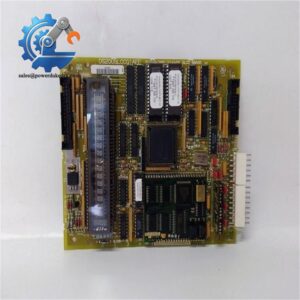
- Full Model Number: IS200DSPXH1DBD
- Lifecycle Status: Legacy / Obsolescence-Risk
- Core Function: Mark VI digital signal processing and turbine control board
- Top 3 Technical Specs: DSPXH1 functional board; Mark VI IS200 family; B/D revision configuration
- Stock & Condition: New surplus / tested refurbished — verify exact revision and board artwork before PO
Module 3: Obsolescence & Supply Chain Deep Dive
When an IS200DSPXH1DBD fails, the outage impact can extend well beyond a single PCB because the DSPX board participates in the Mark VI control architecture. Sourcing an exact replacement lets maintenance teams address the failed electronics without immediately redesigning the turbine-control system. For an installed Mark VI system, that distinction matters: engineering drawings, application software, rack configuration, field wiring, and commissioning procedures can otherwise become part of a larger migration project.
The TCO argument is strongest when the existing Mark VI platform remains serviceable. A correctly matched DSP board can preserve the installed architecture and reduce engineering, FAT/SAT, programming, and outage costs associated with a controls migration. GE Mark VI boards are also revision-sensitive, so the procurement specification should include the complete IS200DSPXH1DBD identifier rather than only “DSPX.” Before installation, compare the replacement board’s functional revision, artwork revision, connectors, and installed firmware/configuration against the removed unit.
Module 4: Compatibility & Replacement Matrix
| Procurement Check | IS200DSPXH1DBD Assessment | Engineering Action |
|---|---|---|
| Replacement Type | Drop-in Replacement when the installed board has the same complete part number and compatible revision | Match full board identification before PO |
| Software Compatibility | Configuration-dependent | Verify Mark VI application, firmware, and control configuration |
| Hardware Modification | Normally none for an exact board match | Confirm rack position, connectors, jumpers, and board interfaces |
| Typical Switch Time | Approx. 2–6 hours | Allow additional time for system diagnostics and functional tests |
| Estimated Engineering / Testing Cost | Approx. 750–2,500 | Include control-system checkout and fault verification |
| Full System Migration Alternative | Major engineering and outage requirement | Consider only when legacy hardware is no longer supportable |
Field Traps — Watch Out
Revision mismatch: The H1DBD portion of the identifier is not decorative. GE Mark VI IS200 boards use functional and artwork revision designations that can affect hardware compatibility. Compare every revision marking on the existing and replacement PCB before energization.
Rack and connector configuration: A DSP board that belongs to the same IS200 family may still have a different connector arrangement, jumper configuration, or application role. Do not approve a substitute based solely on the DSPX family name.
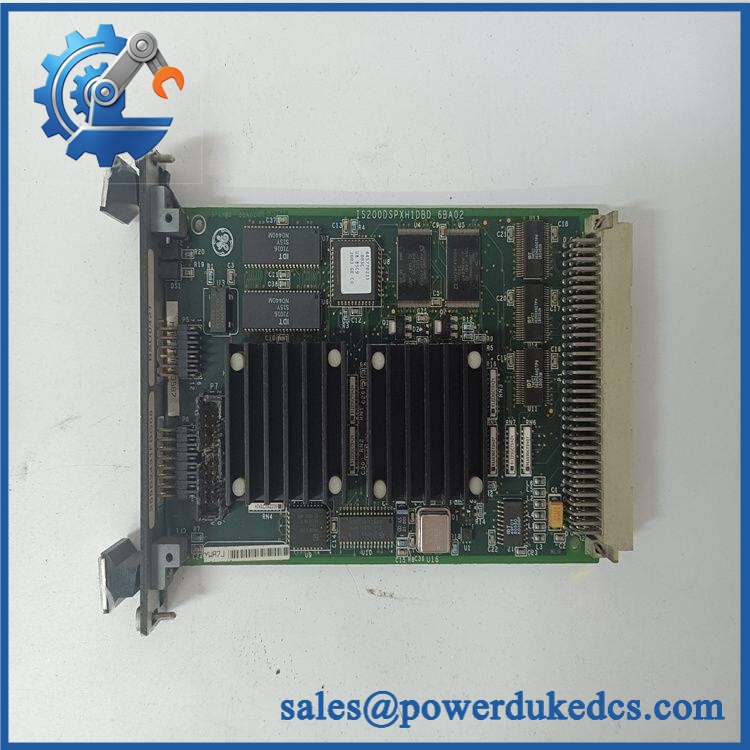
GE IS200DSPXH1DBD
Module 5: Quality Assurance & Testing SOP
The IS200DSPXH1DBD should be treated as a turbine-control electronic component and tested under controlled conditions before shipment.
1. Incoming inspection
- Record manufacturer, complete part number, serial/date code, and all revision markings.
- Perform OEM anti-counterfeit visual inspection.
- Inspect PCB surfaces, connectors, edge contacts, components, jumpers, and mounting hardware.
- Check for corrosion, contamination, cracked components, damaged traces, bent pins, or unauthorized rework.
2. Configuration verification
- Confirm IS200DSPXH1DBD identification.
- Record functional and artwork revisions.
- Photograph front and rear PCB markings.
- Compare connector and jumper locations against the required Mark VI configuration.
- Document any daughterboard or auxiliary interface fitted to the unit.
3. Power-on testing
- Install the board in a compatible GE Mark VI test environment.
- Apply controlled system power.
- Perform power-on self-test (POST).
- Check all applicable board status LEDs.
- Verify expected processor initialization and absence of hardware diagnostic alarms.
4. Signal and control testing
- Verify processor communication with the Mark VI test environment.
- Apply controlled simulated input signals where applicable.
- Confirm signal-processing response and diagnostic behavior.
- Exercise applicable control outputs and feedback paths.
- Perform I/O load testing where the board participates in the associated control circuit.
- Monitor for intermittent communication, unexpected resets, or processor faults during an extended test run.
5. Final QC
- Record measured values, revisions, serial number, and test date.
- Generate a unit-specific Test Report.
- Verify final physical condition and connector integrity.
- Package using ESD protection, cushioning, and moisture protection.
- Apply QC identification before shipment.
Module 6: Procurement & Lifecycle FAQ
Is the GE genuinely in stock, and what is the emergency-shipping cutoff?
Stock should be confirmed against the actual physical board, including the complete part number, revision, condition, and QC status. Emergency dispatch depends on inspection completion, payment clearance, warehouse processing, and the courier cutoff.
How do you guarantee the condition and authenticity of an obsolete or surplus DSPX board?
Require serial-number traceability, full part-number verification, PCB inspection, connector inspection, controlled power-up, Mark VI host recognition, processor diagnostics, and a unit-specific Test Report. Actual photographs of the supplied PCB should be retained with the procurement record.
Are firmware or configuration compatibility issues important before issuing the PO?
Yes. Record the existing Mark VI software/application configuration, firmware level, rack location, board revision, jumper settings, and related I/O configuration before removing the failed board. A matching part number is necessary, but the installation should still be validated after replacement.
Can I substitute another GE DSPX board?
Not automatically. Different DSPX variants can have different hardware revisions, artwork configurations, interfaces, or application roles. The complete identification should be matched against the installed board and system documentation before approval.
What warranty and return terms should procurement require?
Specify the complete part number, serial number, tested condition, warranty period, DOA criteria, acceptance window, and return procedure in the PO. For a turbine-control board, functional testing should be included as part of the acceptance criteria rather than relying on visual condition alone.


 Start Chat