

Description
- Brand: GE
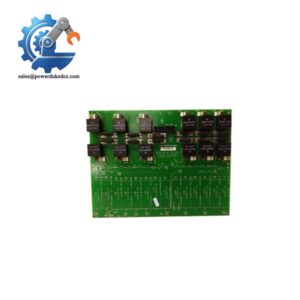
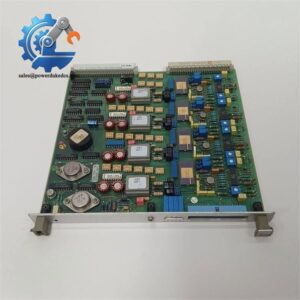
- Full Model Number: IS200TCASH1A
- Lifecycle Status: Legacy / Obsolete
- Core Function: Core Analog Simplex Terminal Board
- Top 3 Technical Specs: Mark VI / EX2100 application; Simplex architecture; Core Analog terminal interface
- Stock & Condition: Inventory availability subject to physical verification; New Surplus / Tested Refurbished options
Module 3: Obsolescence & Supply Chain Deep Dive
When a GE IS200TCASH1A fails in a legacy turbine or excitation control installation, the engineering problem is rarely limited to the PCB itself. The bigger risk is extended downtime while a matching legacy board is located, inspected, and qualified. The IS200TCASH1A is identified in GE-related inventory documentation as a CA SIMPLEX TB, associated with GE excitation/EX2100 applications. That makes exact part-number matching important; substituting a visually similar Mark VI board can create wiring or functional incompatibility.
For a running legacy system, replacing one failed terminal board can carry a much lower TCO than migrating the complete control platform. The economic case becomes stronger when the alternative involves engineering hours, cabinet modifications, control-system revalidation, testing, outage planning, and new spare inventory. A verified surplus or refurbished IS200TCASH1A can reduce the replacement scope to the failed field-replaceable component itself—though exact revision, application, and mating hardware should be confirmed before the PO is released. Public technical listings also identify the IS200TCASH1A as a legacy component with a successor path toward the newer Mark VIe architecture, so procurement should treat this purchase as lifecycle preservation rather than a new-platform investment.
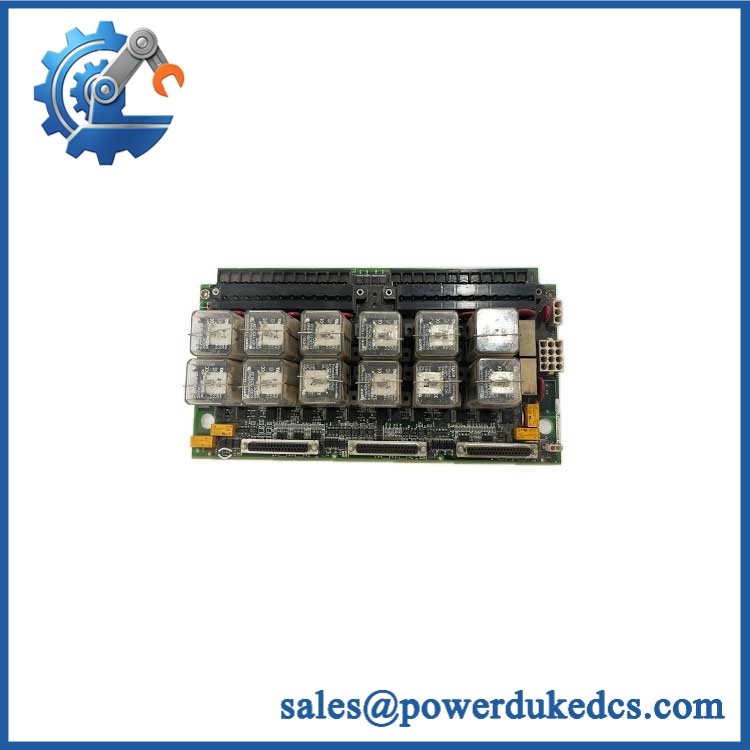
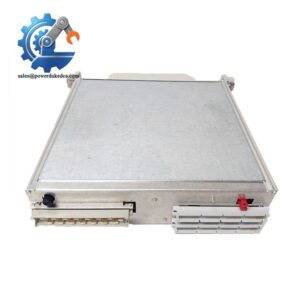
- GE IS200TCASH1A
Module 4: Compatibility & Replacement Matrix
| Engineering Check | Assessment | Buyer Action |
|---|---|---|
| Exact replacement | Drop-in Replacement — subject to revision/application verification | Match full part number and board revision before installation |
| Same-function legacy replacement | Software Compatible | Normally no firmware flash is associated with the passive terminal-board function; verify the associated control/I/O hardware |
| Mark VI to Mark VIe migration | Not a drop-in replacement | Treat as a system-level migration, not a board-for-board substitution |
| Cabinet/wiring modification | Usually not required for an exact replacement | Confirm terminal layout, connectors, mounting arrangement, and application documentation |
Estimated switch cost/time: For a verified spare already staged at site, physical replacement and checkout can often be planned as a 2–6 hour maintenance task, excluding lockout/tagout, commissioning, and site-specific validation. A sourced component with no existing stock can add 1–5 business days for expedited logistics or materially longer when factory-new legacy inventory is unavailable. These are planning estimates, not guaranteed field durations.
Field Traps — Watch Out
- Architecture mismatch: is documented as a CA Simplex Terminal Board. Do not approve a TMR board merely because its connector arrangement looks similar.
- Legacy-to-Mark VIe confusion: newer Mark VIe core analog hardware uses different IS230/IS420 architecture. GE-related technical material explicitly distinguishes IS230 Mark VIe equipment from IS200 Mark VI hardware.
Module 5: Quality Assurance & Testing SOP
A surplus terminal board should not enter critical-spares inventory based on appearance alone. Our pre-shipment QA sequence is structured around traceability, physical condition, electrical integrity, and application-specific verification.
- Part-number verification: Confirm , board revision, labels, barcodes, and manufacturing markings against the purchase specification.
- OEM anti-counterfeit visual inspection: Inspect GE labeling, PCB markings, connector geometry, solder quality, component placement, conformal coating condition, and evidence of unauthorized rework.
- Serial/traceability check: Photograph identifying markings and record the serial or traceability information where present.
- PCB condition inspection: Check terminal blocks, connectors, edge contacts, mounting points, capacitors, resistors, jumpers, and visible PCB damage.
- Continuity and electrical screening: Check accessible power/ground paths and critical signal paths against the applicable test documentation before functional release.
- Power-on self-test: Where the board is evaluated in the appropriate test assembly, verify expected startup behavior and inspect available RUN/ERR/status indication.
- I/O functional test: Exercise the applicable analog signal paths with calibrated test equipment and confirm expected response through the associated GE control/I/O assembly.
- I/O load testing: Apply representative signal loads where the test configuration permits, monitoring for unstable readings, abnormal heating, or intermittent connections.
- Extended observation: Run the unit under controlled test conditions long enough to expose intermittent faults rather than relying only on a cold-start check.
- Final QC release: Record test results, photographs, observed revision, condition grade, and packaging inspection before shipment.
The key distinction is traceable testing versus a seller’s visual assurance. For an obsolete control component, the test record should travel with the part.
Module 6: Procurement & Lifecycle FAQ
Q1. Is the GE genuinely in stock, and what is the emergency-shipping cutoff?
Physical stock should be confirmed against the exact part number before payment or PO release. For emergency requirements, the practical cutoff depends on the warehouse location, inspection status, carrier collection schedule, and destination. A same-day dispatch commitment should be issued only after the specific unit passes availability and QA verification.
Q2. How do you guarantee the condition and authenticity of an obsolete GE ?
Each unit should receive part-number verification, serial/marking inspection, PCB condition review, electrical screening where applicable, and functional testing in a compatible test setup. Photographs and the recorded revision provide a procurement trail. Do not treat an untested legacy board as equivalent to a tested spare.
Q3. Are there firmware compatibility issues engineers should know about before issuing the PO?
The is a terminal-board component, so firmware concerns generally center on the associated controller/I/O architecture rather than flashing firmware directly onto the terminal board. The more important checks are exact board revision, system architecture, application, mating hardware, and whether the installation remains on the original Mark VI/EX2100 architecture. Newer Mark VIe equipment should not be assumed interchangeable.
Q4. Is the a current-production component?
It should be treated as a legacy/obsolete spare, not a current-production procurement item. Public inventory documentation identifies the part as a CA Simplex Terminal Board and legacy sourcing references show a transition toward newer architecture.
Q5. What warranty and return terms should be included in the PO?
Specify the warranty period, test condition, return window, DOA procedure, and the requirement that the returned unit match the shipped serial/traceability record. For mission-critical applications, also require the supplier to state whether the warranty covers functional failure after installation or only arrival condition.


 Start Chat