
Description
- Brand: GE / General Electric
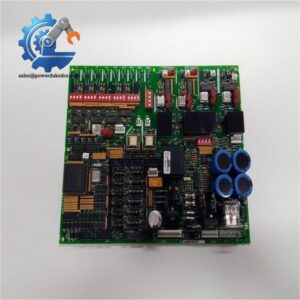
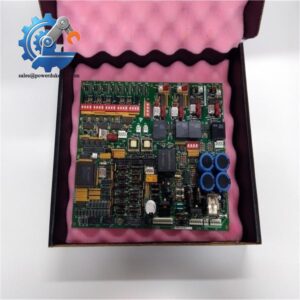
- Full Model Number: IS200TSVCH1ADC S1CX01H
- System/Series Family: GE Mark VI / Mark VIe Turbine Control
- Core Function: Servo I/O terminal interface for electro-hydraulic turbine valve control
- Board Type: TSVC Servo Input/Output Terminal Board
- Application: Gas and steam turbine servo-valve control
- Interface Role: Field wiring and signal-conditioning interface between turbine control electronics and servo-valve circuitry
- Configuration: S1CX01H application-specific variant
- Assembly Type: Normal assembly
- Stock Status: New Surplus / Fully Tested Refurbished — verify exact suffix and board revision before shipment
Available industrial references consistently identify IS200TSVCH1ADC as a GE servo I/O / servo terminal board for the Mark VI turbine-control family. The S1CX01H suffix is listed with the exact assembly in current replacement inventory.
Module 3: Commercial-Technical Deep Dive
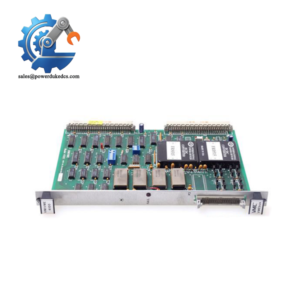
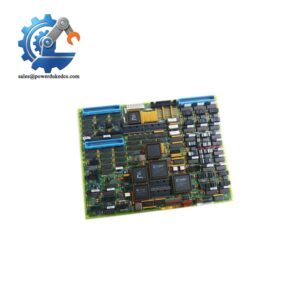
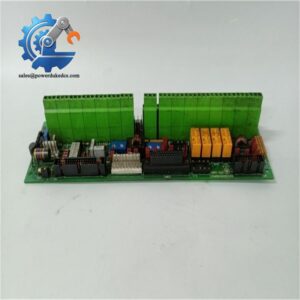
When a turbine control valve responds incorrectly, the fault does not necessarily originate in the servo actuator itself. The GE IS200TSVCH1ADC S1CX01H sits at the field-interface layer, providing the termination and conditioning associated with servo-valve control and feedback signals. Industrial references classify the TSVC board as a Servo Input/Output Terminal Board used in GE Mark VI turbine systems, with the board interfacing the control electronics with electro-hydraulic servo valves and associated field devices.
The commercial value is maintaining the installed turbine-control signal architecture without replacing an entire control-system section. The exact S1CX01H configuration is especially important because supplier documentation associates this suffix with a specific application configuration. Some secondary sources claim detailed ±10 V outputs, LVDT feedback handling, isolation values, and environmental ratings; those figures are not consistently substantiated across independent references, so they should not be treated as universal specifications for every IS200TSVCH1ADC. —Match the complete part number and installed system drawing before approving the replacement.
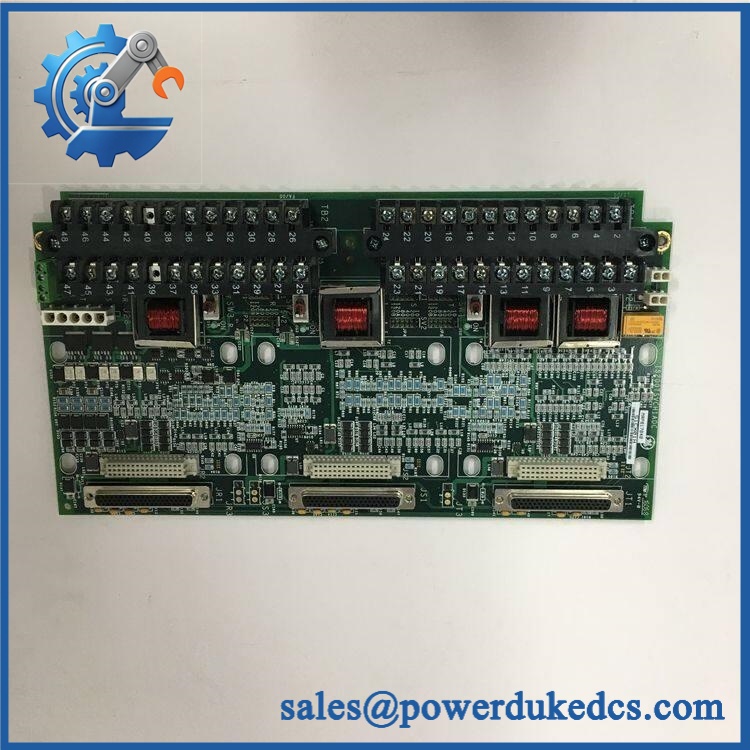
GE IS200TSVCH1ADC
Module 4: Compatibility & Installation Traps
Migration/Compatibility
For a GE Mark VI/Mark VIe installation specified for IS200TSVCH1ADC S1CX01H, the appropriate replacement strategy is a like-for-like servo terminal board exchange. This is interface hardware rather than a standalone PLC CPU, so a control-logic rewrite is not normally required solely because the board is replaced.
The critical checks are the complete S1CX01H suffix, terminal assignment, mating control module, servo-valve circuit, feedback arrangement, and application-specific configuration. The replacement should be commissioned against the existing Mark VI/Mark VIe I/O database and approved turbine documentation.
⚠️ Field Traps (Watch Out)
- S1CX01H matters: Do not order only by the base number IS200TSVCH1ADC. Current technical listings explicitly associate with the requested assembly, and alternate TSVC variants may have different application configurations.
- Servo/feedback wiring: Photograph every field terminal and cable position before removal. Incorrect signal placement can create a valve-position discrepancy even though the terminal board itself passes a basic continuity check.
- Board-to-I/O-pack relationship: The TSVC board belongs to GE’s IS200 modular turbine-control architecture and should be matched to its associated control electronics and chassis arrangement. A physically compatible connector does not prove functional compatibility.
- ESD and connector handling: Use controlled ESD procedures and avoid stressing the backplane connector during removal. Interface boards can suffer connector damage without obvious PCB damage.
Module 5: Quality Assurance SOP
- OEM anti-counterfeit visual inspection — verify GE identification, marking, suffix, board layout, connector arrangement, labels, and evidence of unauthorized modification.
- Part-number reconciliation — photograph the complete part number and all secondary markings before testing.
- PCB condition inspection — examine field terminals, board connectors, solder joints, relays/interface components, mounting points, and PCB surfaces for corrosion, cracks, contamination, or rework.
- Power-on self-test (POST) — install the board in an approved Mark VI/Mark VIe test environment and verify expected startup and diagnostic behavior.
- Terminal continuity verification — check all applicable signal paths against the authorized GE wiring/test documentation.
- Analog signal verification — apply controlled reference signals to representative servo-interface channels and verify the expected response.
- Feedback-interface verification — where the customer’s configuration uses position feedback, connect a representative simulator and verify correct input recognition.
- Servo-control interface test — verify the board’s signal path with the associated control module under a controlled test configuration rather than driving a live turbine valve.
- Communication/interface handshake verification — confirm correct exchange with the representative Mark VI/Mark VIe control hardware.
- Stability observation — monitor for intermittent signals, unexpected resets, abnormal heating, or connector-related faults during extended testing.
- Final QC release — retain identification photographs, terminal-test results, interface-test records, and packaging inspection documentation.
For a turbine servo-interface board, a successful power-up is not sufficient. The meaningful acceptance result is verified signal routing and feedback behavior in a representative control-system test setup.
Module 6: CRO-Driven Buyer FAQ
1. What is GE ?
It is a GE TSVC Servo I/O Terminal Board associated with the Mark VI/Mark VIe turbine-control architecture. Its role is to interface turbine control electronics with servo-valve and related field signals.
2. Is a direct replacement for every TSVC board?
No. The complete suffix should be matched. Different TSVC configurations may have different terminal assignments or application-specific functions. Do not substitute based only on the IS200TSVC base designation.
3. Does the board require firmware or PLC programming?
It is primarily a terminal/interface board, so it does not normally receive a standalone PLC program. System-level configuration, I/O mapping, servo-loop parameters, and feedback scaling still need to match the installed turbine-control application.
4. Can the be hot-swapped?
Do not assume hot-swap capability. The board connects to turbine servo-control and field circuits. Follow the GE Mark VI/Mark VIe maintenance procedure, electrical isolation requirements, and ESD controls before removal or installation.
5. What should be verified before ordering?
Confirm the complete identifier, board revision, associated I/O/control module, terminal wiring, servo-valve configuration, and feedback arrangement. A photograph of the installed nameplate and terminal side is useful for exact matching.
6. What warranty and technical support should I expect?
The quotation should specify whether the unit is new surplus, unused, or tested refurbished and state the warranty period. Technical support should cover exact-part verification, compatibility review, terminal identification, and documented functional-test results. Turbine servo-loop tuning, control-logic modification, and field commissioning should remain separate engineering activities.


 Start Chat