
Description
- Brand: GE General Electric
- Full Model Number: IS200TSVCH2ADC MRP061873
- Lifecycle Status: Obsolete / legacy aftermarket part
- Core Function: Servo I/O terminal board for GE Mark VIe turbine control
- Top 3 Technical Specs: 2 servo valve outputs; 8 LVDT windings; 2 pulse-rate signal inputs
- Redundancy: Simplex, Dual, TMR
- Paired Control Hardware: IS220PSVOH1A/IS220PSVOH1B with compatible servo driver architecture
- Stock & Condition: New Surplus / Tested Inventory — live stock confirmation before PO
- Typical Board Size: 33.02 × 17.8 cm
- Operating Temperature: -30°C to +65°C
Obsolescence & Supply Chain Deep Dive
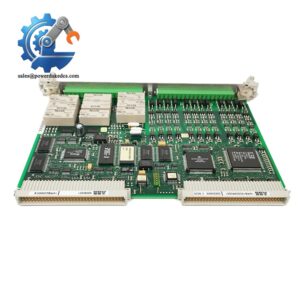
A failed TSVC board can turn a routine turbine maintenance job into a critical spare-parts problem. The GE IS200TSVCH2ADC is a Mark VIe servo I/O terminal board used with the PSVO servo control module and associated servo-driver hardware. Its interface supports two servo valve outputs, eight LVDT windings, two pulse-rate signals, and simplex, dual, or TMR configurations. GE documentation also identifies the IS200TSVCH2A family as the accessory terminal board for the PSVO module.
For a running Mark VIe installation, replacing one failed board can preserve the existing cabinet, wiring, controller configuration, and field devices rather than triggering a wider control-system migration. That changes the TCO calculation: the purchase price of a legacy spare is normally evaluated against outage exposure, engineering hours, commissioning work, rewiring, validation, and the capital cost of replacing an entire control subsystem. The economic case is strongest when the installed system already uses the same TSVC/PSVO architecture and the replacement can be verified before shutdown — though inventory condition and traceability matter more as the hardware ages. Current aftermarket sources describe this part family as legacy/end-of-life inventory, so buyers should treat availability as stock-dependent rather than assume continuing OEM production.
Compatibility & Replacement Matrix
| Buyer Check | Assessment |
|---|---|
| Replacement Type | Drop-in Replacement within an existing compatible IS200TSVCH2A TSVC application |
| Software Compatibility | No board-level firmware flash normally applies to the passive terminal board; compatibility depends on the paired PSVO/servo-control architecture |
| Hardware Modification | None expected when replacing the same exact hardware family and revision/application |
| Typical Switch Time | About 1–3 hours for board replacement and field reconnection, excluding turbine isolation, testing, and site procedures |
| Engineering Time | Typically 2–8 hours for verification, wiring review, diagnostics, and return-to-service checks |
| Migration Scope | Local component replacement rather than full Mark VIe cabinet migration |
| Cost Impact | Spare-board replacement generally avoids the capital and commissioning costs associated with a larger control-system replacement |
GE documentation specifically identifies IS200TSVCH2A as an accessory terminal board for the IS220PSVOH1A PSVO servo control module. The same documentation lists IS220PSVOH1B with the same terminal-board family, while related instructions identify compatible servo-driver combinations.
Field Traps — Watch Out
- PSVO Architecture Mismatch: Do not treat the IS200TSVCH2ADC as a universal Mark-series I/O board. The TSVC terminal board is associated with the PSVO servo-control architecture; documentation indicates that this architecture uses specified PSVO and servo-driver combinations.
- Terminal Wiring and Jumper Configuration: Servo coil-current selection and terminal wiring must match the existing application. The TSVC design uses dedicated jumper selections for the servo outputs, while field wiring terminates through the board terminal blocks. Verify the installed configuration before energization.
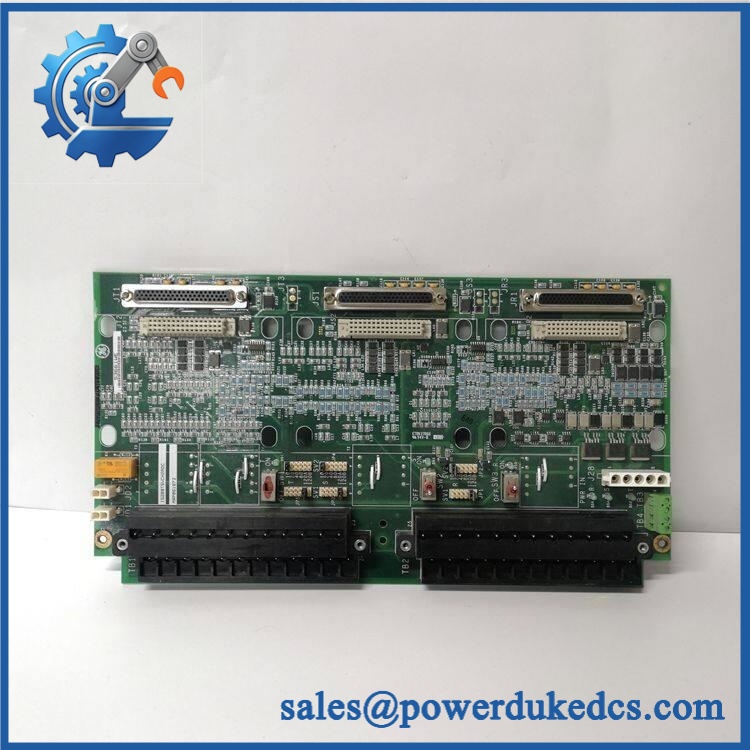
GE IS200TSVCH2ADC MRP061873
Quality Assurance & Testing SOP
Every surplus unit should be processed as a controlled industrial spare, not simply visually resold.
- Part-number verification: Confirm IS200TSVCH2ADC and MRP061873 markings against the purchase specification.
- OEM anti-counterfeit visual inspection: Examine PCB markings, label quality, connector geometry, board revision information, component placement, and signs of unauthorized rework.
- PCB condition inspection: Check solder joints, terminal blocks, connectors, conformal coating, corrosion, contamination, damaged traces, and evidence of overheating.
- Connector and terminal inspection: Verify mechanical integrity of field terminals, plugs, headers, and backplane interfaces.
- Power-on self-test (POST): Apply controlled test power and check expected diagnostic behavior, including relevant ERR/RUN LED indications where supported by the installed test setup.
- Signal-path verification: Exercise representative servo output, LVDT interface, pulse-rate input, and diagnostic circuits using appropriate bench equipment and approved test procedures.
- I/O load testing: Apply controlled electrical loads to the applicable output channels and confirm output behavior remains within the documented operating limits.
- Redundancy-path checks: Where the test fixture supports it, verify the board responds correctly in simplex, dual, and TMR-related configurations.
- Insulation and continuity checks: Test critical signal paths for continuity and unwanted shorts before final packaging.
- Final traceability: Record serial/board identifiers, inspection findings, test date, condition grade, and shipment photographs.
The TSVC family is specified for 28 VDC nominal supply conditions in the associated PSVO servo-control architecture, with servo outputs and LVDT excitation interfaces designed around defined electrical limits. Test fixtures therefore need to reproduce controlled electrical conditions rather than relying on a simple power-on check.
Procurement & Lifecycle FAQ
Is the GE IS200TSVCH2ADC genuinely in stock, and what is the cutoff for emergency shipping?
Stock should be confirmed against the physical unit before the PO is released. For emergency requirements, the practical cutoff depends on destination, carrier pickup time, export documentation, and whether the unit has already completed QA. A same-day dispatch commitment should be tied to confirmed inventory, not a catalog listing.
How do you verify the condition and authenticity of an obsolete or surplus IS200TSVCH2ADC?
The purchase file should include the exact model and material reference, physical label photographs, board-condition inspection, connector inspection, and documented electrical testing. For a critical turbine spare, serial or traceability information should be recorded before shipment. This approach reduces the risk of receiving a visually similar but electrically different TSVC variant.
Are there firmware compatibility issues engineers should check before issuing the PO?
The terminal board itself is not normally the item receiving an application firmware flash. The key compatibility check is the installed Mark VIe servo-control architecture, particularly the PSVO module and associated servo driver. GE documentation explicitly associates IS200TSVCH2A with IS220PSVOH1A/H1B configurations.
What warranty and return terms should procurement require?
Specify the warranty period, DOA definition, functional-failure coverage, inspection window, and return authorization process in the quotation or PI. For obsolete spares, request written confirmation of the exact condition grade supplied. A return caused by a seller-side functional defect should be distinguished from an incorrect model selection by the buyer.
Should this part be treated as a long-term migration solution?
It is better viewed as a lifecycle-extension spare for an existing compatible Mark VIe installation. Where repeated failures, declining spare availability, or broader control obsolescence are already affecting the plant, procurement should separately evaluate a phased migration plan rather than depending indefinitely on one legacy board.



 Start Chat