

Description
- Brand: GE / General Electric
- Full Model Number: IS200WEMAH1AEA
- System/Series Family: GE Mark VI Speedtronic / Wind Energy Control
- Core Function: Wind Energy Main Assembly for turbine control, field signal interfacing, and auxiliary control functions
- Top 3 Hardcore Specs: 27 digital inputs; 2 thermistor temperature inputs; 9 relay contact outputs
- Additional Output: 3 solid-state relay outputs
- Functional Acronym: WEMA
- Assembly Type: Normal assembly
- PCB Protection: Conformal coating
- Revision Structure: 3 documented revisions; first 2 revisions identified as backward-compatible
- Stock Status: New Surplus / Fully Tested Refurbished — verify exact board revision and test records before shipment
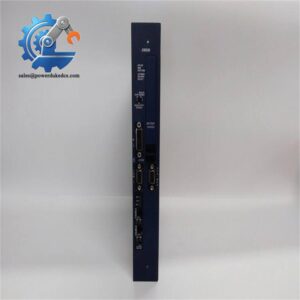
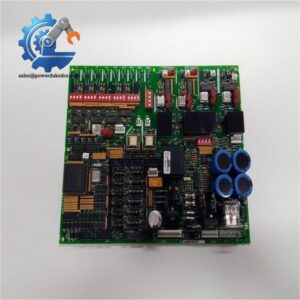
Technical references identify IS200WEMAH1AEA as the Wind Energy Main Assembly (WEMA) for GE’s Mark VI turbine-control family. Documented board characteristics include 27 digital inputs, 2 thermistor inputs, 9 relay outputs, 3 solid-state relay outputs, conformal coating, and three revisions, with the first two revisions reported as backward-compatible.
Module 3: Commercial-Technical Deep Dive
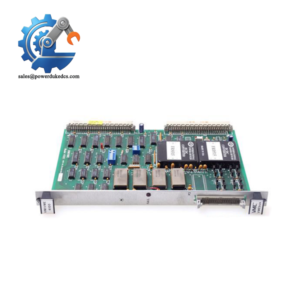
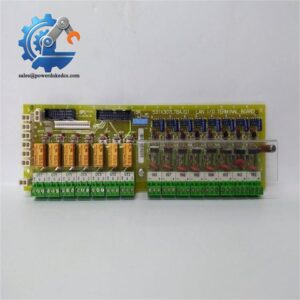
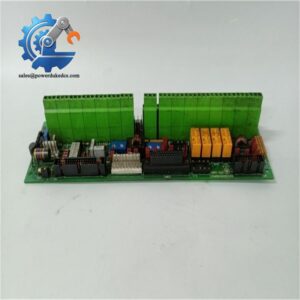
A wind-turbine control cabinet can remain powered while critical field I/O has already become unreliable. That is where the GE IS200WEMAH1AEA matters. The WEMA board is identified as a Wind Energy Main Assembly within GE’s Mark VI architecture, combining a substantial field-interface footprint with onboard protection and auxiliary-board support. Published hardware descriptions list 27 digital inputs, 2 thermistor inputs, 9 relay contact outputs, and 3 solid-state relay outputs, while the PCB uses conformal coating and includes multiple terminal blocks, relays, fuses, transformers, heat sinks, and vertical-pin connectors.
The practical ROI is tied to signal concentration and replacement speed. A single board can interface a significant number of discrete field points while retaining dedicated relay and solid-state outputs, reducing the need to redesign the existing cabinet around a different I/O architecture. The revision issue deserves attention, too: one technical reference identifies three total revisions, with only the first two reported as backward-compatible. That means the suffix cannot be ignored during procurement. —A visually similar WEMA board is not sufficient; match the complete IS200WEMAH1AEA identifier and revision before shipment.
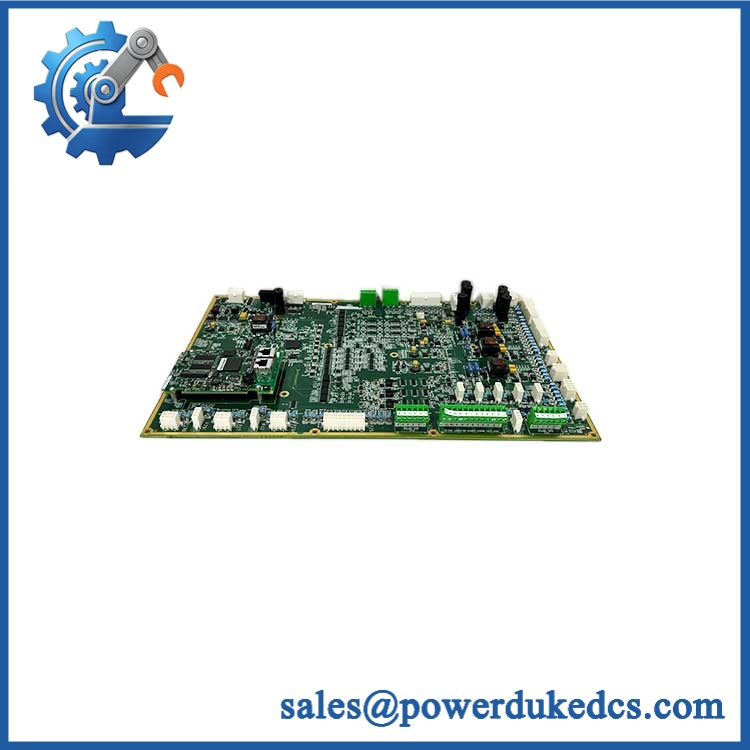
GE IS200WEMAH1AEA
Module 4: Compatibility & Installation Traps
Migration/Compatibility
For an existing Mark VI installation documented for IS200WEMAH1AEA, the preferred strategy is a like-for-like board replacement. The board is identified as a normal WEMA assembly, and available technical references indicate three revisions with backward compatibility reported for the first two. Therefore, do not assume that every later revision is interchangeable with every earlier installation.
A firmware flash or control-logic rewrite should not be assumed simply from the part number. This is primarily an I/O and turbine-control board rather than a standalone CPU. Compatibility depends on the host Mark VI configuration, associated auxiliary hardware, terminal wiring, and the specific board revision. Verify the existing cabinet drawing and revision markings before removing the installed unit.
⚠️ Field Traps (Watch Out)
- Revision mismatch: The board is documented with three revisions, while only the first two are explicitly described as backward-compatible. Record the installed board’s full revision code and compare it with the spare before installation.
- Auxiliary-board dependency: The IS200WEMAH1AEA has a central mounting arrangement for an auxiliary board. One technical description specifically notes a mounted auxiliary PCB with connectors and FPGA hardware. Preserve the auxiliary assembly and mounting configuration exactly as found; do not assume every WEMA board arrives with identical accessory hardware.
- Field-wiring transcription: With multiple digital inputs and several output groups, connector identification is critical. Photograph terminal positions and cable routing before removal, then verify each connection against the approved Mark VI drawing.
- ESD and mechanical damage: The board has exposed connectors and multiple protruding components. Handle it under controlled ESD conditions and protect the component side from impact during extraction and packaging.
Module 5: Quality Assurance SOP
For surplus GE Mark VI wind-control inventory, the pre-shipment procedure should document both board authenticity and functional condition:
- OEM anti-counterfeit visual inspection — verify GE identification marks, complete part number, revision code, PCB layout, terminal-block arrangement, component population, and evidence of unauthorized rework.
- Part-number reconciliation — photograph and record , revision markings, barcodes, and all visible secondary identifiers.
- PCB condition inspection — inspect the four-corner mounting holes, terminal blocks, vertical-pin connectors, relays, fuses, transformers, heat sinks, auxiliary-board mounting hardware, and conformal coating for damage or contamination.
- Power-on self-test (POST) — where an approved test fixture is available, energize the board under the documented test conditions and check expected startup behavior and all applicable diagnostic indicators.
- Digital input verification — stimulate representative digital-input channels and record state recognition across the approved test points.
- Thermistor input verification — apply controlled resistance values representing the applicable temperature-sensor range and verify the expected input response.
- Relay output verification — command representative relay channels and confirm contact-state changes using an isolated measurement setup.
- Solid-state relay verification — test the documented SSRO channels under an appropriate controlled load, observing output behavior and abnormal heating.
- Interface continuity verification — confirm terminal-to-circuit continuity and inspect connector engagement before final release.
- Stability observation — operate the board under controlled conditions long enough to detect intermittent inputs, output chatter, unexpected resets, or thermal abnormalities.
- Final QC release — attach board photographs, revision information, test records, and packaging inspection results to the shipment file.
For this type of Mark VI board, “powers on” is not a sufficient acceptance criterion. The meaningful result is verified I/O behavior under a controlled test setup that matches the intended application.
Module 6: CRO-Driven Buyer FAQ
1. Is GE obsolete?
The belongs to GE’s legacy Mark VI turbine-control family and is primarily encountered as installed-base maintenance inventory. That makes exact-part sourcing important, particularly because documented revisions are not all necessarily backward-compatible.
2. Is a direct replacement?
It can be a direct hardware replacement when the existing Mark VI documentation specifies the same part number and compatible revision. Do not use a different WEMA or IS200 board solely because its physical dimensions appear similar. Check the complete part number, revision, auxiliary-board arrangement, and terminal configuration.
3. Can the be hot-swapped?
Do not assume hot-swap capability. This board interfaces with turbine field signals and relay outputs, so energized removal can expose personnel and equipment to electrical hazards and can interrupt critical control functions. Follow the site’s isolation, lockout, and GE-specific maintenance procedure unless the applicable equipment documentation explicitly authorizes energized replacement.
4. Does the replacement require firmware or logic programming?
Normally, the board itself is not treated like a standalone PLC CPU requiring application programming. However, system-level commissioning can still require configuration verification, I/O validation, and correct integration with the installed Mark VI control application. Preserve the original board revision and wiring information before replacement.
5. What warranty and technical support should I expect?
The quotation should state whether the unit is new surplus, unused, or tested refurbished, together with the exact warranty duration. Technical support should cover part-number and revision verification, compatibility review, installation documentation, and available test records. Site-specific turbine configuration, control-logic changes, and field commissioning should be treated as separate engineering services.


 Start Chat