

Description
- Model & Brand: GE General Electric IS215UCVFH2AB
- Series: Speedtronic Mark VI
- Part Type: UCVF VME Controller / Processor Board
- Physical Dimensions: Approximately 241 × 194 × 25 mm (W × H × D) for the board envelope; verify the actual unit before final cabinet-layout or export-packing documentation.
- Estimated Shipping Weight: Approximately 1.0–1.2 kg, depending on protective packaging and supplied accessories.
- What’s in the Box: IS215UCVFH2AB controller board, ESD shielding bag, mechanical protection, and applicable inspection documentation. VME rack hardware, cables, and software media are not assumed unless specifically supplied.
Product Introduction
The GE IS215UCVFH2AB mounts within the Mark VI VME control architecture and serves as a UCVF processor/controller card. It is a computing and bus-interface asset rather than a conventional field termination board, so its replacement affects the controller layer of the turbine system. The board is associated with VME-based Mark VI control and I/O processing, with Ethernet and serial interfaces supporting communication with the surrounding control environment.
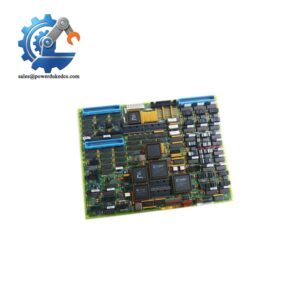
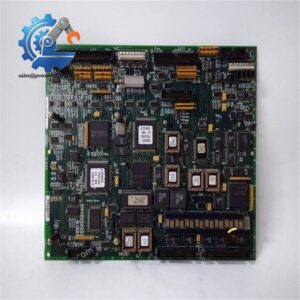
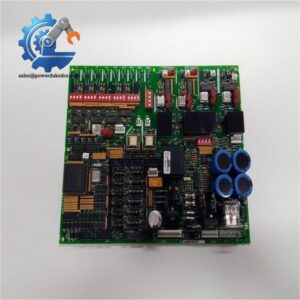
Physically, this is a legacy conformal-coated VME controller board, with a large processor heatsink and multiple edge/interface connectors. The H2AB identifier should be preserved exactly in the asset record; related UCVF revisions may look nearly identical while differing in firmware, memory configuration, or system compatibility (which matters during brownfield migration and spare-stock audits).
Core Technical Specifications
| Parameter | Value |
|---|---|
| Manufacturer | GE General Electric |
| Model | IS215UCVFH2AB |
| Series | Speedtronic Mark VI |
| Functional Acronym | UCVF |
| Product Type | VME Processor / Controller Board |
| Controller Architecture | Double-slot VME |
| Processor | Intel Pentium III |
| Processor Frequency | 850 MHz |
| Main Memory | 32 MB DRAM |
| Flash Memory | Configuration-dependent; verify the installed board |
| Operating System | QNX |
| VME Interface | VMEbus controller/master interface |
| Ethernet | 2 × 10/100Base-TX RJ-45 |
| Serial Interfaces | COM1 and COM2 |
| USB | 1 service/peripheral interface |
| Video | SVGA |
| Local I/O | Keyboard/mouse interface |
| Board Construction | Conformal coated |
| Mounting | Mark VI VME rack |
| Input Power | Supplied through the Mark VI rack/backplane |
| Controller Function | Mark VI turbine control processing and I/O communication |
| Application Software | Turbine/system dependent |
| Firmware | System dependent |
| Hot Replacement | Do not assume live replacement |
| Lifecycle Position | Legacy / Obsolescence-Controlled |
Hardware identity
The H2AB suffix is not optional metadata. GE UCVF boards exist in closely related revisions, and the complete label should be compared with the removed unit before procurement.
Some aftermarket records describe the IS215UCVFH2AB as a TMR controller/I/O pack, while other records simply identify it as a UCVF controller or VME controller board. The safest engineering description is therefore UCVF VME controller/processor board for the Mark VI system; the exact redundancy role should be confirmed from the turbine’s system drawing rather than inferred from a reseller database.
Memory and storage
The commonly documented UCVFH2A platform uses an 850 MHz Pentium III with 32 MB DRAM. Flash-storage configurations can differ by board/application, so the actual installed memory device and the site’s controller backup should govern replacement acceptance.
Do not issue a replacement solely from a base-model match. Compare the complete hardware label, memory configuration, firmware/application baseline, and rack position.
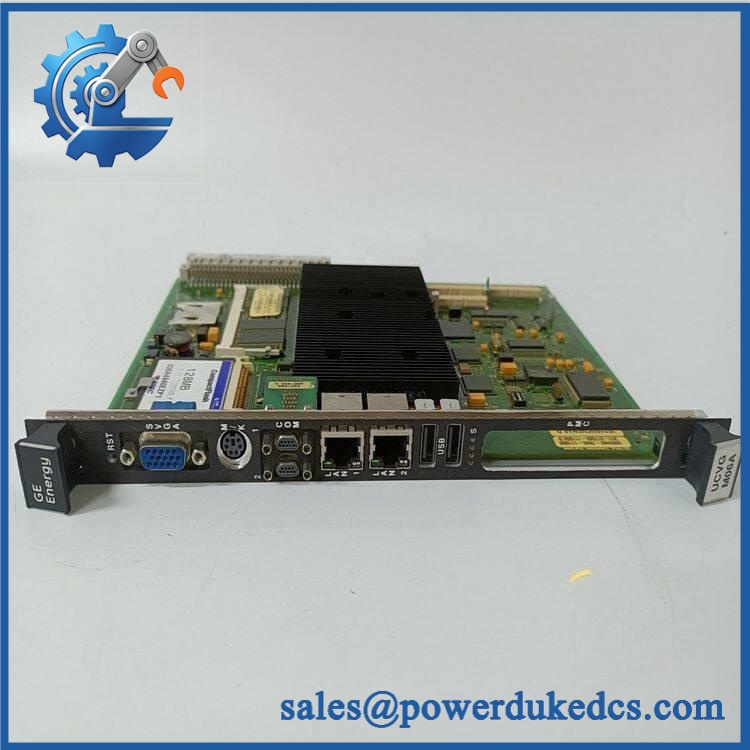
GE IS215UCVFH2AB
Global Compliance & Industry Certifications
The IS215UCVFH2AB is a legacy Mark VI controller component, and compliance should be evaluated against the complete control cabinet or certified Mark VI equipment configuration rather than assumed from the bare PCB.
For global procurement and audit records:
- CE Mark: May apply to the relevant Mark VI equipment configuration; verify the applicable declaration for the installed system.
- UL/cUL: Confirm against the complete GE Mark VI rack/cabinet arrangement and applicable revision.
- ATEX / IECEx: Do not assume that the standalone UCVF board carries hazardous-area approval. Where used in a hazardous location, the certification boundary belongs to the approved system configuration.
- Marine approvals: DNV GL or other marine approvals should be verified from project-specific documentation; they should not be inferred from the Mark VI designation.
- Country of Origin: Establish from actual manufacturing traceability or supplier documentation.
- HS tariff classification: Confirm the final code with the destination-country importer or customs broker.
For hazardous-area service, certification controls the permitted equipment combination, installation conditions, and field environment. An uncertified board substituted into a certified assembly can create an audit issue even when the electrical function appears correct.
Verify specific lot certifications with OEM.
Long-Term Storage & Asset Preservation Guide
Keep the inside an ESD shielding bag until it is scheduled for installation. The VME edge connector should remain mechanically protected; avoid repeated handling of the gold-contact area during inventory inspections.
Store the controller in a clean, dry environment without condensation. A practical warehouse target is below approximately 60% RH, with stable temperature and no corrosive atmosphere.
Inspect the large processor heatsink, VME edge connector, Ethernet ports, serial connectors, and conformal coating before releasing the board to maintenance. Look for corrosion, coating damage, contamination, cracked solder joints, and signs of overheating.
Record the board’s complete H2AB revision and memory/flash configuration in the warehouse asset file. That record is especially valuable when several UCVF revisions are held in the same spare cabinet.
Physical Installation Prerequisites
Install the only in the specified GE Mark VI VME rack and designated controller position. The board uses VME card guides and backplane connectors; alignment must be straight and controlled, never forced.
Maintain the rack’s manufacturer-specified airflow and service clearance. Avoid creating a blanket clearance rule for every Mark VI enclosure; actual spacing depends on the cabinet, rack design, adjacent boards, and cooling arrangement.
Before energizing, verify the rack/backplane supply rails against the applicable GE Mark VI documentation. Do not apply a generic external DC voltage directly to the board when the installed architecture supplies power through the VME rack.
Preserve all original connector locations and hardware configuration. Photograph the board before removal, particularly the VME slot position, serial/Ethernet connections, and any configuration details.
Buyer’s FAQ — Logistics & Compliance Focus
Q: What HS Tariff Code should be used for ?
A: The UCVF is an industrial controller board, but the final Harmonized System classification depends on the importing country’s tariff schedule and customs interpretation. Use the broker-confirmed classification for the commercial invoice rather than assuming a universal code.
Q: Does the shipping origin establish Country of Origin?
A: No. COO should be supported by manufacturing or traceability documentation for the actual controller. Warehouse location, seller address, and export port do not independently establish origin.
Q: Does the include the latest firmware pre-loaded?
A: Do not assume it. This is a programmable Mark VI controller running QNX and application-specific control software. A replacement board should be matched against the site’s approved application image, firmware baseline, hardware revision, and memory configuration before commissioning.
Q: How should shipping insurance be handled for this legacy controller?
A: Insure the shipment for the documented commercial replacement value and retain photographs of the board, label, connectors, and packaging before dispatch. Use an ESD shield bag, rigid protection around the VME connector edge, moisture protection, and shock-resistant outer packaging because physical impact can damage the card even when the enclosure appears intact.



 Start Chat