

Description
- Model & Brand: GE General Electric IS215VCMIH2BB
- Product Family: Mark VI Speedtronic
- Product Type: VMEbus Communication Interface / VCMI Board
- Physical Dimensions: Approx. 178 × 101 × 76 mm for a typical supplier-listed assembly envelope; exact mechanical dimensions should be verified against the physical unit and rack interface.
- Estimated Shipping Weight: Approximately 1.0–1.3 kg depending on packaging and supplied accessories.
- What’s in the Box: IS215VCMIH2BB board, ESD protective packaging, mechanical protection, and applicable supplier documentation. Accessories are not assumed unless listed on the purchase order.
Product Introduction
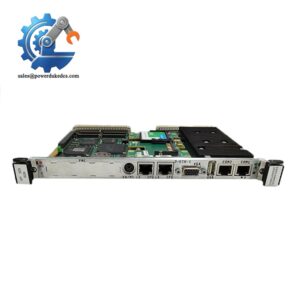
In a GE Mark VI control cabinet, the VCMI is not simply another VME card. The IS215VCMIH2BB functions as the VMEbus communication interface and master-controller element, providing the communication path between the control processor environment, VME I/O architecture, and GE IONet infrastructure. That makes exact board identity important during a spare exchange (especially where revision-dependent topology and network configuration are involved).
Physically, this is a Mark VI 6U-class VME board with a front-panel communication interface, intended for installation in the associated VME rack rather than standalone panel use. The board carries multiple IONet connections together with a serial interface, and its replacement can require configuration or topology handling after installation. Do not treat it like a passive terminal card; the replacement procedure should follow the plant’s Mark VI maintenance sequence.
Core Technical Specifications
| Parameter | Value |
|---|---|
| Manufacturer | GE General Electric |
| Model | IS215VCMIH2BB |
| Series | Mark VI Speedtronic |
| Module Type | VMEbus Communication Interface / VCMI |
| Primary Function | VMEbus master communication and I/O rack interface |
| Architecture | VME-based Mark VI control system |
| Processor Architecture | Texas Instruments TMS320C32-class DSP architecture |
| Memory | 256K × 32 SRAM with dual-port memory architecture |
| VME Interface | 32-bit VMEbus interface |
| IONet Interfaces | 3 front-panel IONet communication ports |
| IONet Physical Interface | 10Base2 coaxial Ethernet architecture |
| Serial Interface | RS-232 |
| Front Panel | 3 IONet ports + 1 serial communication port |
| Power Rails | Mark VI rack-supplied DC rails including +5 VDC and auxiliary control rails |
| Operating Temperature | Approximately -40°C to +70°C, configuration dependent |
| Installation | Mark VI VME rack / backplane |
| Firmware / Configuration | System/application configuration dependent |
| Hot Replacement | Do not assume hot-swap capability; use OEM/site replacement procedure |
Engineering note
The IS215VCMIH2BB should not be confused with visually similar VCMI revisions or related IS200VCMI identifiers. Exact ordering suffixes matter. The exposed board identification, hardware revision, and the configuration loaded into the Mark VI environment should agree before commissioning.
For stocked spares, record the complete nameplate information, including revision and serial information. That small discipline can prevent a communication fault from being mistaken for a defective replacement card.
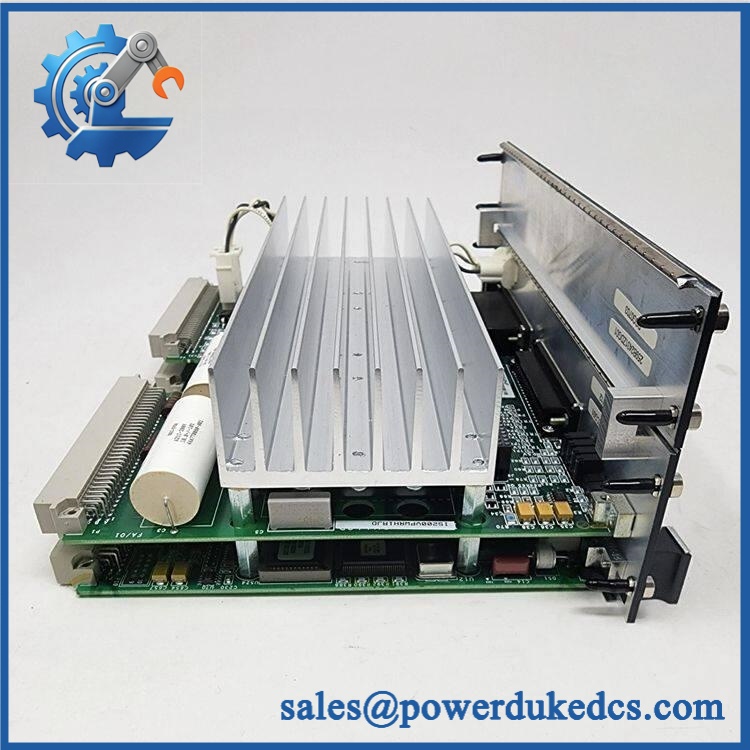
GE IS215VCMIH2BB
Global Compliance & Industry Certifications
The IS215VCMIH2BB is an industrial control-system board, so certification interpretation requires care. CE, UL/cUL, ATEX, IECEx, and marine approvals may apply to the complete Mark VI equipment, cabinet, or certified system configuration, rather than establishing a blanket standalone certification for every replacement PCB.
For procurement and import documentation:
- CE: May be associated with the applicable GE control-system configuration; verify the exact product documentation.
- UL/cUL: May apply to the complete control assembly or system configuration rather than the bare VCMI PCB.
- ATEX / IECEx: Do not assume hazardous-area approval for the standalone board without supporting documentation for the exact assembly.
- Marine / DNV-type approvals: Must be established from the specific certified equipment configuration and project documentation.
- Country of Origin: Must be established from manufacturing traceability or supplier documentation, not from warehouse location.
- HS Classification: Electronic control/interface boards may fall under different headings depending on the importing country’s tariff interpretation and how the item is classified by customs.
Verify specific lot certifications with OEM.
For regulated projects, retain the product label, revision code, serial number, COO documentation, and applicable test record together with the receiving inspection file.
Long-Term Storage & Asset Preservation Guide
Keep the VCMI in a proper ESD protective bag until installation. Do not leave the PCB exposed on a metal workbench, even briefly, because connector contamination and electrostatic exposure can turn a serviceable spare into an unexplained communications fault.
Store the board in a clean, dry warehouse with stable temperature and no condensation. A practical controlled-storage target is below approximately 60% RH, unless the site standard or OEM documentation specifies a different limit.
Preserve the front-panel connectors and coax interfaces with suitable physical protection. Do not apply contact chemicals or rework socketed devices simply because the board has been stored for an extended period. Before installation, inspect connectors, board coating, mounting hardware, labels, and any signs of corrosion or mechanical damage.
Record the complete hardware identifier before returning the spare to inventory. For lifecycle control, photograph the board label and revision once, then associate that image with the warehouse asset record.
Physical Installation Prerequisites
Install the only in the designated GE Mark VI VME rack and compatible backplane position. The board’s mechanical ejector arrangement and retaining screws must engage correctly with the rack; never force the card into a misaligned backplane connector.
Cabinet temperature, airflow, grounding, shielding, and cable routing matter. Keep the IONet communication path physically separated from high-noise power wiring where the cabinet design permits, and verify that the coax connectors and serial interface are properly secured.
The replacement procedure should account for the Mark VI rack power state and IONet topology. A VCMI replacement may require subsequent topology/configuration handling before normal communication is restored. Do not assume that installing the PCB alone completes the commissioning task.
Buyer’s FAQ — Logistics & Compliance
Q: What HS tariff code should be used for ?
A: A VME communication/control board may be classified under different tariff headings depending on the importing country and customs interpretation. Treat any supplier-provided HS code as a classification candidate, not a universal code. Final classification should be confirmed by the importer or customs broker.
Q: How should Country of Origin be documented?
A: Use the actual manufacturing/traceability documentation for the specific unit or lot. Do not infer COO from the seller’s shipping location. For audit-sensitive purchases, request a COO statement together with the commercial invoice or other traceability records.
Q: Does the replacement arrive with the latest firmware already loaded?
A: Do not assume it. The VCMI participates in the Mark VI control architecture, and system topology/application configuration can be installation-specific. A replacement board may require the site’s approved configuration procedure before returning the rack to service.
Q: Is the hot-swappable, and how should authenticity be checked?
A: Do not treat it as a hot-swappable board by default. Follow the OEM/site replacement procedure and rack power-state requirements. For authenticity, verify the complete identifier, hardware revision, serial/traceability markings, connector condition, PCB artwork, and receiving test results before placing the spare into critical inventory.




 Start Chat