

Description
- Brand: GE
- Full Model Number: IS215WEPAH2BB
- System / Series Family: GE Mark VI Wind / Mark VI control
- Core Function: WEPA printed circuit board for wind-energy control applications and VME-based control racks
- Top 3 Hardcore Specs: IONet and UDH communications / 20 female plug connectors / 10, 20, and 40 ms software frame rates
- Functional Acronym: WEPA
- Redundancy: Simplex or triple-redundant applications
- Power Supply Rating: 125 VDC
- Storage Temperature: -40°C to +70°C
- Humidity: 5–95% non-condensing
- VME Rack Position: Typically one slot in a 13- or 21-slot rack
- Stock Status: New Surplus / Factory Sealed — exact physical condition to be confirmed before quotation
The IS215WEPAH2BB is documented as a GE Mark VI printed circuit board that supports simplex and triple-redundant configurations. Its documented communication interfaces include IONet and UDH.
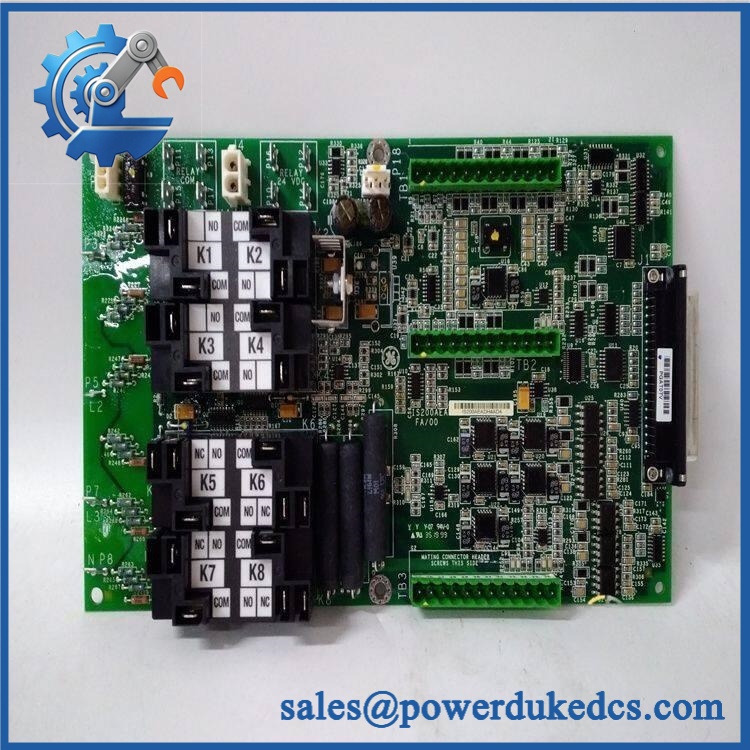
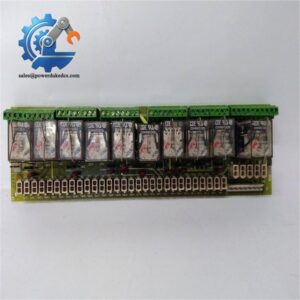
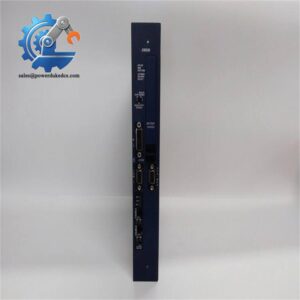
GE IS215WEPAH2BB
Module 3: Technical Product Introduction
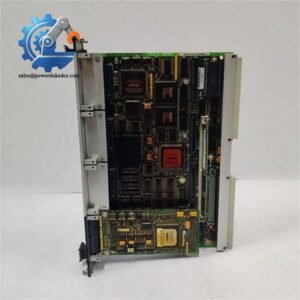
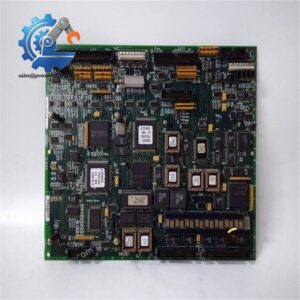
A failed WEPA board can interrupt the control path of a wind-energy installation without necessarily indicating a fault in the turbine’s field devices. The GE IS215WEPAH2BB is a WEPA printed circuit board used within the GE Mark VI control architecture. Available technical documentation identifies it as a programmable board capable of operating in simplex or triple-redundant applications, with a connected daughterboard and a typical installation in a VME rack. It supports IONet and UDH communications and occupies one rack slot.
The board’s documented software frame rates are 10, 20, and 40 ms, describing the timing between input conditioning/reading, application processing, and output transmission. The available specifications also identify a 125 VDC power-supply rating, four metal-oxide varistors, and a 5–95% non-condensing humidity range. For maintenance planning, these details are more useful than assigning generic PLC specifications to the board. Verify the exact rack configuration and turbine application before substitution.
Module 4: Application Scenarios & Field Realities
- In GE wind-turbine control cabinets, the IS215WEPAH2BB provides WEPA functionality within the Mark VI architecture. Because the board can be used in simplex or triple-redundant applications, the installed system’s redundancy arrangement must be identified before removal.
- For VME-based control racks, the board normally occupies one slot in a 13- or 21-slot rack. Check the rack position and adjacent-board clearances before installation; connector alignment matters when working with older VME assemblies.
- Where turbine control communications are involved, IONet and UDH are the documented communication types for this board. Do not substitute a generic Ethernet card simply because the connector arrangement appears similar. The communication role is tied to the Mark VI control architecture.
- During planned wind-turbine maintenance, inspect the connected daughterboard as well as the main WEPA PCB. The IS215WEPAH2BB is documented with a daughterboard, and visible damage or contamination around that assembly should be investigated before re-energizing the rack.
Module 5: Migration, Compatibility & Installation Traps
Replacement Matrix
| Replacement Case | Classification | Engineering Requirement |
|---|---|---|
| IS215WEPAH2BB replacing the identical IS215WEPAH2BB | Drop-in Replacement | Verify complete part number, board revision, rack position, connectors, and system configuration |
| Another WEPA revision with documented equivalence | Software Compatible — Verify First | Confirm hardware revision, application configuration, redundancy arrangement, and communication requirements |
| IS215WEPAH2BA or another WEPA variant substituted without documentation | Hardware Modification Required | Treat as non-equivalent until GE documentation confirms interchangeability |
| Different Mark VI I/O or control board | Hardware Modification Required | Recheck VME interface, application role, communications, firmware, and rack configuration |
Field Traps — Watch Out
Revision mismatch: The complete identifier is IS215WEPAH2BB. Do not reduce the procurement specification to “WEPA board.” GE’s Mark VI inventory includes multiple WEPA variants, including IS215WEPAH2BA and other related assemblies. A similar prefix does not establish interchangeability.
Redundancy configuration: The board is documented for simplex or triple-redundant applications. Before replacing one unit in a redundant control system, identify the corresponding companion boards and their rack positions. A replacement that passes a bench test can still be unsuitable if the system-level redundancy configuration is incorrect.
Power verification: The available technical specification lists 125 VDC as the power-supply rating. Confirm the actual cabinet supply and connector assignment before energizing the replacement. Do not infer a 24 VDC requirement from unrelated Mark VIe I/O products.
Communication assumptions: IONet and UDH are documented for this board. Do not advertise Modbus RTU, Modbus TCP, or another protocol unless the installed system documentation specifically confirms it.
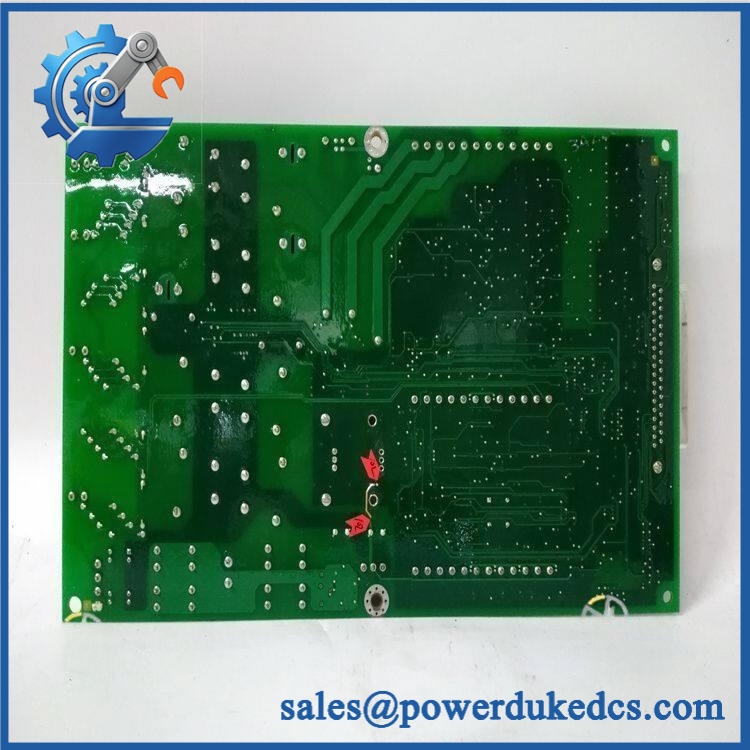
GE IS215WEPAH2BB
Module 6: Quality Assurance SOP
The pre-shipment inspection for a GE IS215WEPAH2BB should focus on exact board identification, VME interfaces, daughterboard condition, and controlled functional testing:
- Part-number verification — Confirm the physical marking as IS215WEPAH2BB. Record serial number, revision information, manufacturing identifiers, and any additional GE board markings.
- OEM anti-counterfeit visual inspection — Examine the GE labels, PCB markings, component identification, connector construction, soldered areas, daughterboard markings, and manufacturing details for inconsistent printing or unauthorized modification.
- Mechanical inspection — Check the PCB edges, VME connector interface, mounting points, faceplate hardware, plug connectors, daughterboard connection, and accessible components for cracks, deformation, corrosion, contamination, or impact damage.
- Daughterboard inspection — Verify that the connected daughterboard is securely mounted and free of damaged pins, cracked substrates, loose hardware, contamination, or signs of previous repair.
- Power-on self-test (POST) — Where an approved Mark VI test rack is available, energize the board under controlled conditions using the verified power arrangement and inspect applicable status, diagnostic, and fault indications.
- VME interface verification — Install the board in a compatible test rack and verify proper physical seating, connector engagement, and expected rack-level recognition.
- Functional screening — Test applicable WEPA functions using an approved GE Mark VI test environment. Verify expected board behavior without altering customer-specific application parameters.
- Communication handshake verification — Where the test environment supports the required architecture, verify the board’s IONet and UDH communication paths and confirm expected system-level recognition.
- Frame-rate verification — Where the diagnostic environment permits, verify operation under the applicable 10, 20, or 40 ms software frame-rate configuration. The exact setting should correspond to the customer’s installed application.
- Redundancy check — For equipment using triple redundancy, verify the replacement board’s compatibility with the intended redundant control arrangement before dispatch.
- Final inspection and packaging — Photograph the exact IS215WEPAH2BB label, record test results, protect all VME and plug connectors, use appropriate ESD precautions, and package the PCB against mechanical shock and moisture.
The final QA record should connect the IS215WEPAH2BB identification, board revision, daughterboard condition, VME interface inspection, power-on results, communication test, functional screening, and packing record to the exact unit shipped. For this Mark VI board, exact revision and system-architecture matching should be confirmed before installation rather than inferred from physical similarity.



 Start Chat