

Description
- Brand: GE Multilin
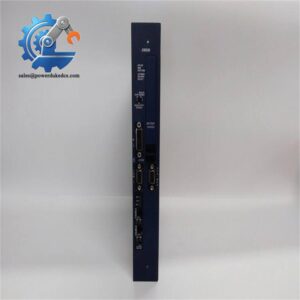
- Full Model Number: UR9EV / UR-9EV
- System/Series Family: Multilin Universal Relay UR Series
- Core Function: Central processing module for protection, control, metering, event recording, and relay communications
- Top 3 Hardcore Specs: CPU module; dual RS485 serial interface configuration; Modbus RTU and DNP 3.0 support
- Stock Status: New Surplus — stock confirmation required
Technical Product Introduction
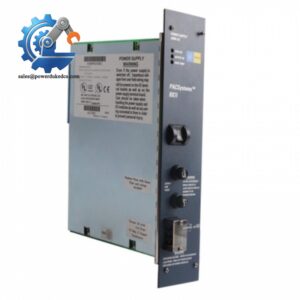
A failed CPU module is a different maintenance event from an I/O card failure. The processor sits at the center of the UR relay architecture, so loss of the module can affect protection logic, metering, event processing, configuration access, and communications at the same time. The GE Multilin UR9EV is identified in UR-series documentation as a 9E CPU configuration associated with RS485 communications; the documented 9E option provides RS485 and RS485 interfaces with Modbus RTU and DNP 3.0 support. GE’s UR architecture uses modular hardware, with dedicated CPU, I/O, CT/VT, communications, and power-supply positions.
Replacement planning must therefore start with the complete UR order code rather than the CPU label alone. The UR platform supports programmable protection and control through FlexLogic, event recording, metering, and multiple communications protocols, but the exact functions available to a particular relay depend on its hardware configuration and firmware. GE also documents 0.5 ms digital-input scanning for the UR family, while newer firmware generations add functions such as extended oscillography and enhanced IEC 61850 capabilities. Those platform-level features should not be assumed to exist on every legacy UR9EV installation.
Application Scenarios & Field Realities
- Substation protection relay replacement: When a UR relay’s CPU fails but the installed I/O and CT/VT modules remain serviceable, the UR9EV can be considered as a processor-level replacement after confirming the exact chassis configuration and CPU order code. Preserve the existing settings before removing the failed processor.
- RS485 SCADA networks: In installations using serial supervisory communications, the 9E configuration is associated with two RS485 interfaces and supports protocols including Modbus RTU and DNP 3.0. Check baud rate, parity, slave address, termination, and master configuration before returning the relay to service.
- Generator, transformer, and feeder protection: The UR family covers generator, transformer, transmission, distribution, and motor protection applications. In these systems, the CPU coordinates measurements from CT/VT modules with protection algorithms, logic, monitoring, and control functions.
- Legacy UR maintenance: For older installations, the replacement objective is usually preservation of the established protection scheme rather than redesign. Firmware revision matters. A newer CPU generation may not reproduce every function or configuration behavior of an older installation without a documented compatibility check — particularly when legacy I/O or communication modules remain in the chassis.
Migration, Compatibility & Installation Traps
Replacement Matrix
| Replacement Type | Assessment | Engineering Requirement |
|---|---|---|
| Drop-in Replacement | Conditionally applicable | Confirm the complete UR order code, CPU designation, chassis type, installed modules, and firmware |
| Software Compatible | Configuration verification required | Validate relay settings, FlexLogic, communications parameters, and firmware compatibility |
| Hardware Modification Required | Normally not expected for a matching UR9EV configuration | Rewiring or module changes should not be performed unless the replacement architecture differs |
Field Traps — Watch Out
CPU order-code confusion: GE UR documentation identifies several CPU/communications combinations. The 9E configuration is associated with and interfaces, while other 9-series options provide Ethernet, fiber, redundant communications, or managed-switch functionality. Do not substitute a different 9-series CPU solely because the module has the same mechanical format.
Firmware mismatch: Save the existing relay settings and record the firmware revision before replacement. GE has introduced major UR functionality through specific firmware generations, including IEC 61850 enhancements, extended oscillography, and cybersecurity functions. A hardware replacement should therefore be evaluated together with the existing firmware and application requirements.
termination: is a physical bus, not simply a connector type. Verify A/B polarity, shield treatment, bus topology, termination, biasing, baud rate, parity, and device addressing against the existing installation. A CPU can complete its startup sequence while the SCADA link remains unavailable because of one incorrect serial parameter.
Settings preservation: A processor replacement should never be treated as a blind card swap. Export the existing configuration through the applicable GE engineering environment when the original CPU remains accessible. After replacement, compare protection settings, FlexLogic equations, communications parameters, time synchronization, and event-recording configuration before energizing the protected equipment.
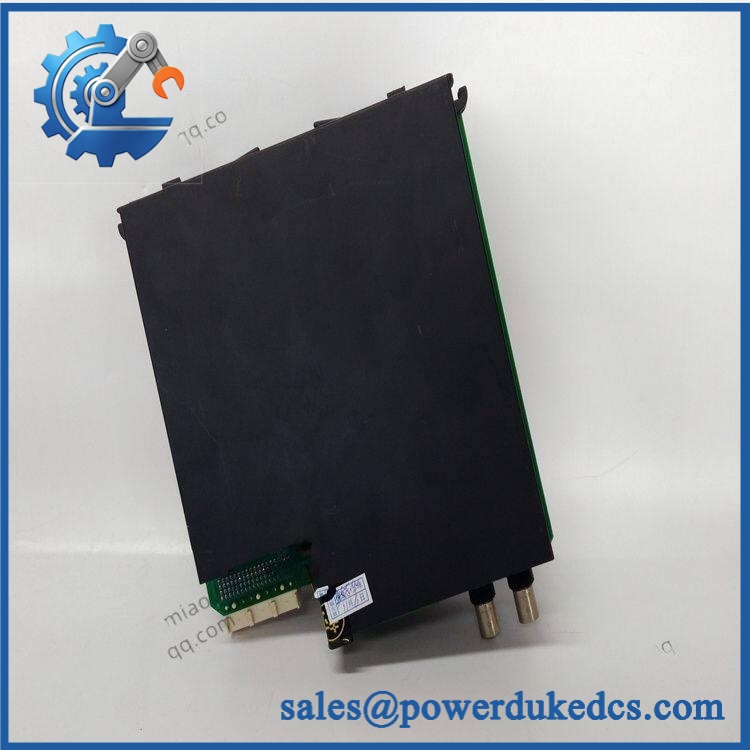
GE UR9EV
Quality Assurance SOP
Each available UR9EV should pass a documented inspection sequence before shipment:
- OEM anti-counterfeit visual inspection: Inspect GE/Multilin markings, model designation, PCB construction, connector arrangement, labels, manufacturing identifiers, and physical finish against known UR-series hardware.
- Part-number verification: Confirm the physical identification corresponds to and reconcile the module marking with the purchase order.
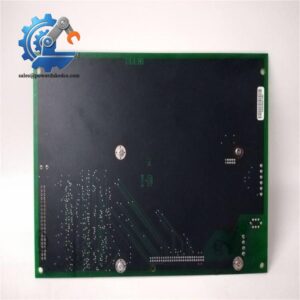
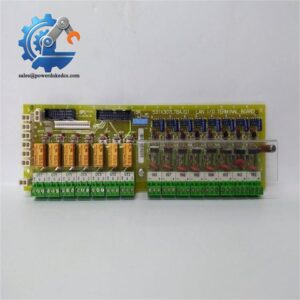
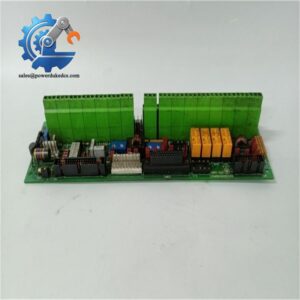
- Mechanical inspection: Examine the PCB, connector pins, mounting points, front-panel indicators, retaining hardware, and enclosure for corrosion, contamination, impact damage, or unauthorized modification.
- Power-on self-test (POST): Install the CPU in an appropriate compatible UR test assembly and verify startup behavior, processor status, and expected ERR/RUN indications.
- CPU recognition check: Confirm that the host UR system identifies the installed processor and does not report a module or hardware configuration fault.
- Communication handshake verification: Where the test setup supports the applicable interface, verify communication and confirm the expected protocol response using a controlled test configuration.
- Modbus/DNP verification: For a suitable test configuration, verify the relevant serial communication parameters and confirm basic data exchange rather than relying only on an LED status.
- Configuration verification: Review firmware identification, hardware recognition, relay settings, and available configuration functions before final release.
- Event and logic check: Where the complete test relay is available, verify basic event acquisition and representative FlexLogic behavior against the approved test configuration.
- Final inspection: Record model number, identification markings, physical condition, firmware information where accessible, test results, packaging condition, and inspection status before shipment.
Procurement note: The should be matched to the complete GE Multilin UR relay configuration. GE documentation identifies the 9E CPU/communications option with interfaces, while other 9-series configurations provide different communications capabilities. Confirm the existing CPU designation, chassis, firmware, I/O modules, CT/VT configuration, serial parameters, and protection settings before ordering a replacement.



 Start Chat