

Description
- Brand: GE / VMIC
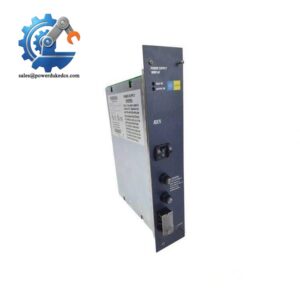
- Full Model Number: VMIVME-7807RC
- System/Series Family: VMIC VMEbus Single Board Computer
- One-Sentence Core Function: VMEbus single-board computer designed to provide embedded processing and system-control functions in legacy industrial and military-grade VME architectures
- Top 3 Hardcore Specs: 6U VMEbus form factor; embedded x86 processor architecture; ruggedized system integration
- Stock Status: New Surplus — stock confirmation required
Technical Product Introduction
The GE VMIVME-7807RC is a VMIC VMEbus single-board computer intended for embedded computing applications where processor, memory, storage, and VMEbus control functions are integrated into a single VME card. The RC designation should be treated as configuration-specific, so the installed processor, memory, environmental construction, and peripheral interfaces should be checked against the original board before procurement. For legacy equipment, maintaining the original VME computer architecture can avoid replacing the backplane, I/O cards, application software, and associated interface hardware.
From a maintenance perspective, the important issue is not simply whether the board powers up. The processor configuration, BIOS or firmware revision, memory population, boot device, operating system, VME resource allocation, and application image all affect system recovery. A replacement VMIVME-7807RC should therefore be evaluated against the complete installed configuration. Where the replacement matches the original hardware and software environment, commissioning can remain focused on board replacement rather than a full system migration.
Application Scenarios & Field Realities
- Legacy VME control computers: Used to maintain industrial systems where the VME chassis and peripheral I/O cards remain serviceable but the embedded computer requires replacement.
- Industrial test and measurement: Appropriate for VME-based test platforms that depend on local processor resources to coordinate acquisition, control, and analysis functions.
- Embedded machine control: Useful where established application software communicates directly with VMEbus I/O modules and replacing the complete computer architecture would create unnecessary integration work.
- Rugged VME installations: The RC configuration makes environmental and mechanical verification particularly important when the board is being installed in a demanding enclosure or equipment platform.
When removing the failed processor board, record its memory configuration, boot media, BIOS settings, connected VME modules, and operating environment. These details can materially affect the recovery procedure.
Migration, Compatibility & Installation Traps
Replacement Matrix
| Replacement Criterion | VMIVME-7807RC Assessment |
|---|---|
| Drop-in Replacement | Conditional — verify exact RC configuration, hardware revision, processor, memory, connectors, and chassis requirements |
| Software Compatible | Conditional — verify operating system, drivers, BIOS configuration, application image, and VME device dependencies |
| Hardware Modification Required | Normally no for an exact configuration match; modifications may be required when changing processor, peripheral, or environmental configurations |
Installation Traps
RC configuration mismatch: Do not assume that every VMIVME-7807RC has an identical processor, memory, storage, or environmental configuration. Match the complete ordering information and board revision to the removed unit.
Boot-device dependency: A replacement CPU board does not necessarily contain the customer’s operating system or application software. Preserve the original boot media and verify its interface before starting the replacement procedure.
VME resource conflicts: Check address-space allocation, interrupt usage, and installed VME peripherals. A board may complete its own startup sequence while the overall system still fails because of a VME resource conflict.
BIOS and firmware settings: Record relevant BIOS configuration and boot parameters before removing the original board. Legacy applications can depend on specific peripheral initialization settings.
Thermal and airflow conditions: For an RC-configured board, verify the actual enclosure, cooling method, card guides, and surrounding board population. Environmental compatibility should be assessed at system level rather than from the model number alone.
Software driver dependency: Legacy VME applications may rely on board-specific drivers or BSP components. Confirm that the existing operating environment recognizes the replacement hardware before changing application software.
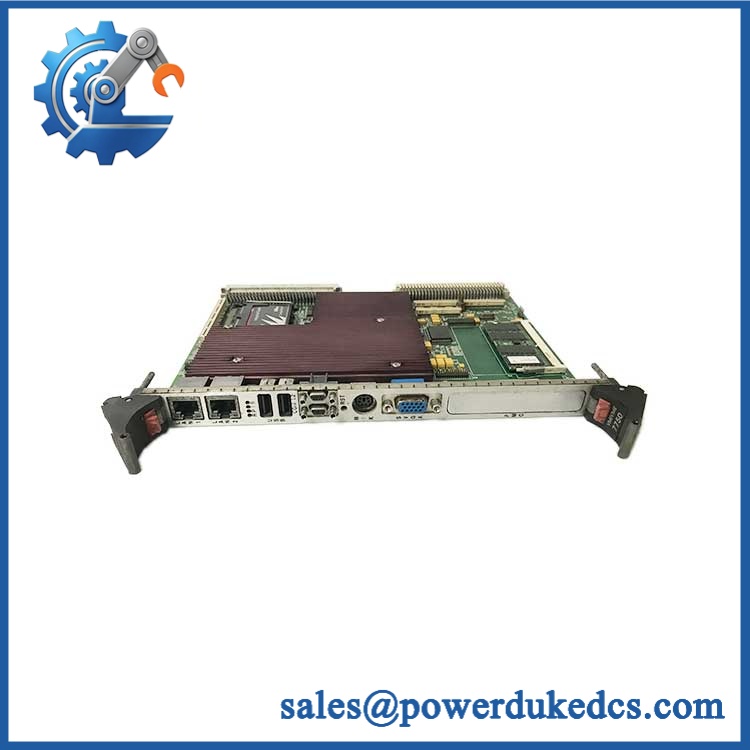
GE VMIVME-7807RC
Quality Assurance SOP
Each VMIVME-7807RC supplied from surplus inventory should pass a controlled inspection and functional-test sequence:
- OEM Visual Inspection — inspect GE/VMIC identification, model marking, hardware revision, PCB condition, processor area, memory devices, connectors, and evidence of unauthorized rework.
- Part-Number Verification — compare the physical identification label with the ordered configuration and record all visible revision information.
- Mechanical Inspection — inspect the VME edge connector, front-panel assembly, ejectors, mounting points, connector housings, and board surface.
- Power-On Self-Test (POST) — install the board in an appropriate VME test chassis, apply controlled power, and monitor available ERR/RUN or system-status indicators during initialization.
- Processor Initialization Test — verify normal processor startup and confirm that the board reaches the expected firmware or boot stage without abnormal fault indications.
- Memory Test — run available memory diagnostics and confirm recognition of the installed memory configuration.
- VMEbus Recognition Test — verify that the processor can access the VMEbus and communicate with representative VME peripherals without bus errors.
- Communication Handshake Verification — perform controlled VMEbus transactions and confirm stable data and register access between the processor and test hardware.
- Boot-System Test — where an appropriate boot environment is available, verify storage-device recognition, operating-system startup, and basic peripheral detection.
- Extended Operation Test — monitor processor startup, VME communication, memory behavior, and system stability during an extended controlled run.
- Final QA Record — photograph the identification label and board condition, document the hardware revision and test results, inspect packaging, and retain the QA record with the shipment.
For replacement work, verify the exact processor configuration, RC hardware revision, boot environment, VME resources, and application dependencies before treating the board as a direct service replacement.


 Start Chat