

Description
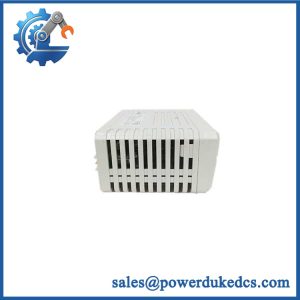
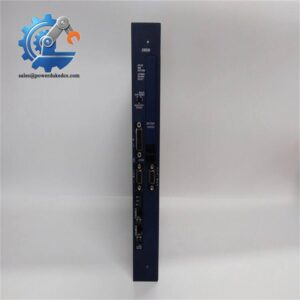
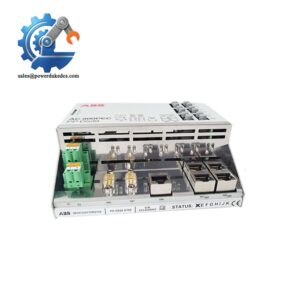
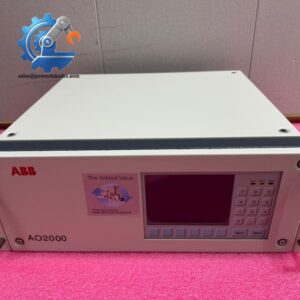
- ABB 500PSM02 | Genuine ABB Automation Hardware
Unboxing & Physical Snapshot
- Brand & Model: ABB 500PSM02
- Product Type: ABB S800 I/O power supply module used within ABB industrial automation I/O systems to provide regulated power distribution for remote I/O assemblies.
- Physical Dimensions (Approximate W × H × D):
- Width: approximately 45–50 mm
- Height: approximately 180–190 mm
- Depth: approximately 120–130 mm
- DIN rail / S800 I/O mounting style depending on system configuration.
- Estimated Shipping Weight: Approximately 0.5–0.8 kg including ESD protection and packaging.
- What’s in the Box:
- ABB 500PSM02 power supply module
- Front identification label
- Connector interface
- Mounting accessories when supplied
- Anti-static ESD shielding bag
- OEM documentation when included
Product Introduction
Structure B — Architecture Hook
The ABB 500PSM02 fits into the S800 I/O power architecture, where stable DC power distribution supports remote I/O modules installed throughout the control system network. Its physical position inside the I/O assembly makes correct module identification essential; a visually similar power unit may not provide the same voltage characteristics or diagnostic behavior.
This module is maintained as a controlled automation spare because power integrity directly affects field signal availability and controller communication. Inspect the connector pins, mounting guides, and terminal interfaces before installation (—especially for cabinets operating continuously in high-vibration or high-temperature environments). Verify the installed ABB system revision before replacing any power-related hardware.
Core Technical Specifications
| Parameter | Value |
|---|---|
| Manufacturer | ABB |
| Model Number | 500PSM02 |
| Product Family | ABB S800 I/O System |
| Module Type | Power Supply Module |
| Application | Remote I/O power distribution |
| Mounting Method | S800 I/O station mounting |
| Supply Voltage | 24 VDC nominal |
| Output Voltage | System-dependent DC supply output |
| Power Consumption | Configuration dependent |
| Heat Dissipation | Load dependent |
| Protection Functions | Overcurrent and overload protection |
| Communication Interface | I/O system diagnostics dependent |
| Status Indication | Front LED diagnostics |
| Housing Material | Industrial polymer enclosure |
| Cooling Method | Natural convection |
| Installation Environment | Industrial control cabinet |
| Memory | No user-accessible memory |
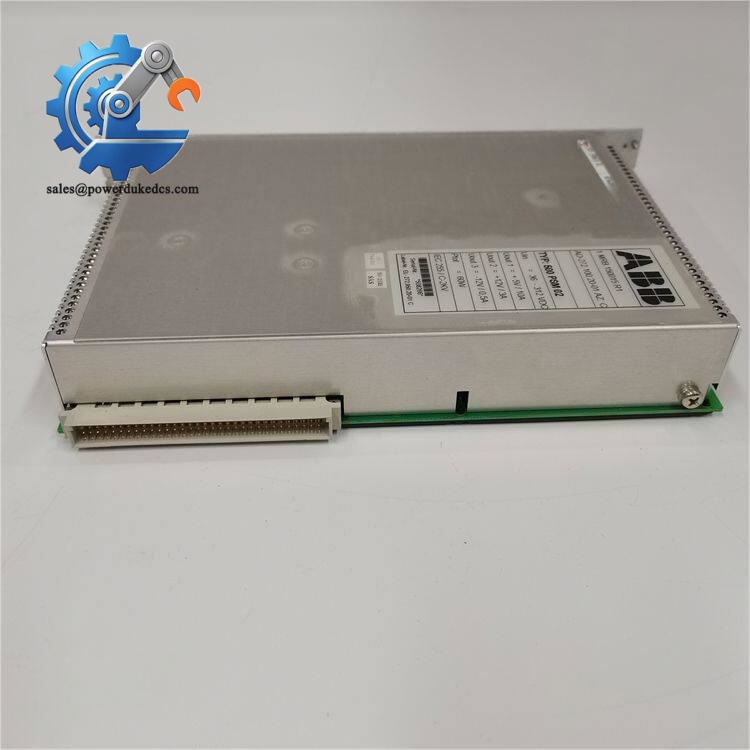
ABB 500PSM02
Technical values should be verified against the exact ABB S800 hardware manual and installed rack configuration before replacement approval.
? Global Compliance & Industry Certifications
Expected regulatory approvals and compliance considerations for the ABB 500PSM02 include:
- CE Mark — applicable for approved ABB system installations meeting EMC and electrical safety requirements.
- UL/cUL Recognition — may apply depending on the complete I/O system certification.
- RoHS Compliance — dependent on manufacturing revision and production date.
- IEC EMC Compliance — relevant for industrial automation environments.
- ATEX/IECEx Compatibility — dependent on the complete hazardous-area installation design, enclosure, and certified accessories.
- Marine approvals (DNV GL) — applicable only when installed within certified marine automation packages.
CE and EMC compliance matter because I/O power modules operate continuously near switching devices, communication equipment, and field wiring. Proper evaluation helps reduce risks associated with electrical interference and control system instability.
Verify specific lot certifications with OEM.
? Long-Term Storage & Asset Preservation Guide
Keep the ABB 500PSM02 inside the original anti-static (ESD) shielding bag during storage. Protect the rear connectors and contact surfaces from dust, moisture, and accidental impact.
Maintain warehouse humidity below 60% RH. Extended exposure to moisture can degrade connector plating and create intermittent power faults after installation.
Inspect stored modules every 12–24 months. Check the enclosure, retaining features, LED window, connector contacts, and mounting surfaces before release. For older electronic power modules, perform a controlled bench power test before connecting expensive I/O hardware (this catches dormant failures before field deployment).
Physical Installation Prerequisites
- Install only within a compatible ABB I/O assembly.
- Confirm correct slot position and module keying before insertion.
- Maintain approximately 50 mm clearance above and below the rack assembly for convection cooling.
- Verify 24 VDC supply polarity before energizing.
- Confirm cabinet protective grounding continuity.
- Ensure connector alignment before applying insertion pressure.
- Secure mounting hardware to prevent vibration-related movement.
Do not force the module into the rack. Damaged backplane contacts can create intermittent communication and power issues.
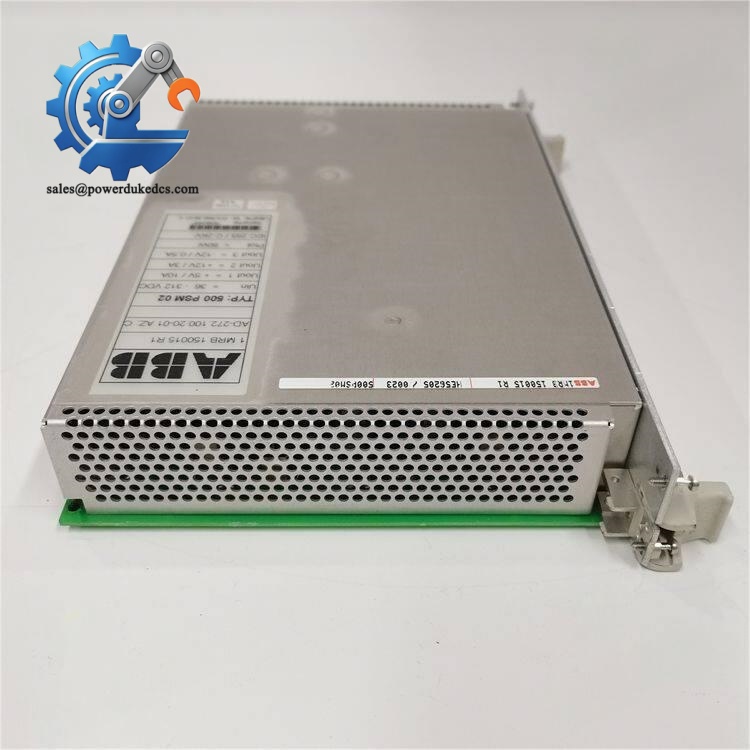
ABB 500PSM02
Buyer’s FAQ (Logistics & Compliance Focus)
Q1. What HS Tariff Code is commonly used for the ABB 500PSM02?
A: The final Harmonized System classification depends on the importing country’s customs interpretation and the declared function of the equipment. Industrial automation power modules are generally reviewed under electrical control equipment categories. Confirm the final HS code with your customs broker before export.
Q2. Does Country of Origin affect ABB 500PSM02 import documentation?
A: Yes. COO information can affect customs processing, duty calculations, and customer compliance records. Maintain the original ABB label, supplier documentation, serial records, and receiving inspection reports.
Q3. Is shipping insurance recommended for this power module?
A: Recommended. Although compact, the module contains electronic power components and precision connectors that can be damaged by impact or electrostatic events. Use ESD protection and replacement-value freight insurance.
Q4. Does the ABB 500PSM02 include the latest firmware pre-loaded?
A: This module does not contain user application firmware. Any internal identification or diagnostic functions are hardware dependent. Verify module revision, ABB system compatibility, and approved configuration data before installation.


 Start Chat