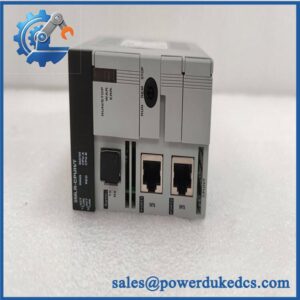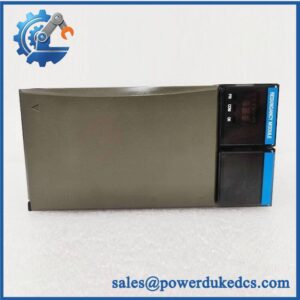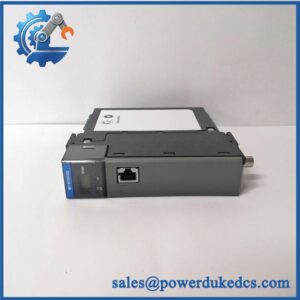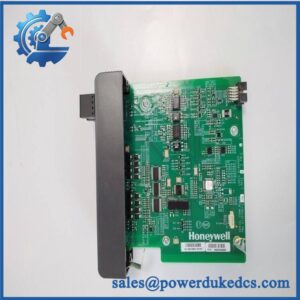
Description
-
Brand: ALSTOM
-
Full Model Number: CMP1838
-
Additional Part References: TRVCO62345000; CP00005202
-
Lifecycle Status: Legacy spare part; formal OEM lifecycle status requires confirmation
-
Core Function: CPU/control module identification; confirm the precise function against the installed system documentation
-
Top 3 Technical Specifications: Module identity — CMP1838; OEM part reference — TRVCO62345000; additional identification reference — CP00005202. Electrical ratings, communications interfaces, and firmware requirements require verification.
-
Stock & Condition: Quantity, physical condition, hardware revision, testing status, and dispatch availability subject to quotation confirmation
Obsolescence & Supply Chain Deep Dive
When an ALSTOM control-system module fails, sourcing the exact replacement can become the critical path to restoring equipment operation. The CMP1838, identified by the additional references TRVCO62345000 and CP00005202, is listed in supplier catalogs as a CPU/control module. Confirm its exact role within your installed system before ordering. A matching model designation is the starting point, not sufficient evidence of interchangeability. Check the nameplate, board revision, rack configuration, and applicable system documentation (lead times for legacy electronic assemblies depend on verified stock, condition, and export readiness).
Replacing an individual module can preserve the existing control infrastructure and avoid the broader engineering, wiring, software, and commissioning costs of a full platform migration. The economic case depends on the availability of a proven replacement and the remaining service life of the installed system. Calculate total cost of ownership (TCO) using the purchase price, replacement labor, diagnostic testing, production downtime, and any engineering changes. Before releasing the purchase order, request actual-unit photographs, identification details, a written condition declaration, and an agreed acceptance-test report. A complete system upgrade may remain the better option when repeated failures, unsupported firmware, or wider component obsolescence make continued maintenance uneconomic.
Compatibility & Replacement Matrix
|
Replacement Scenario |
Classification |
Required Engineering Action |
Preliminary Time Allowance |
|---|---|---|---|
|
Exact CMP1838 model and matching approved revision |
Conditional drop-in replacement |
Verify rack position, connectors, hardware revision, system configuration, and installation procedure. |
2–4 labor hours for a planned replacement and preliminary checks |
|
Different hardware revision within the CMP1838 family |
Compatibility requires verification |
Check supported revisions, configuration files, firmware requirements, and applicable OEM notices. |
2–4 engineering hours for an initial review |
|
Proposed substitute with a different ALSTOM part number |
Not an automatic replacement |
Confirm functional equivalence, electrical interfaces, rack compatibility, and approved system support. |
Estimate after documentation review |
|
Replacement requiring configuration or hardware changes |
Engineering modification may be required |
Review drawings, interface requirements, software dependencies, and commissioning procedures. |
Site-specific estimate required |
Budgetary cost assessment: The replacement budget should include the module purchase price, maintenance labor, engineering review, and required testing. Add downtime costs where the replacement requires an extended outage. Actual pricing depends on condition, revision, availability, and warranty terms; a reliable monetary estimate requires a supplier quotation and the site’s labor rates.
Field Traps to Check Before Ordering
-
Part-number ambiguity: Match CMP1838, TRVCO62345000, and CP00005202 against the installed unit and purchase specification. Confirm which identifiers appear on the actual nameplate.
-
Hardware revision mismatch: Two modules bearing the same family designation may have different revision or configuration requirements. Obtain photographs and revision details before approving the replacement.
-
Firmware and configuration dependencies: Confirm supported firmware, configuration-file requirements, and startup procedures using the applicable system documentation. Do not assume a firmware upgrade or downgrade is either necessary or supported.
-
Unverified interface specifications: Do not infer supply voltage, backplane pin assignments, communications protocols, or connector compatibility from the model number alone. Verify each parameter before installation.
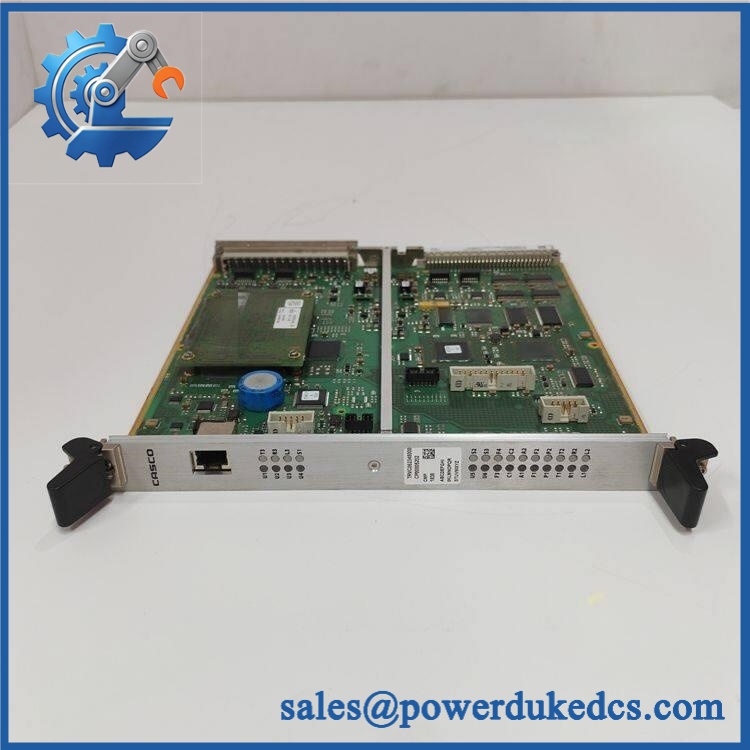
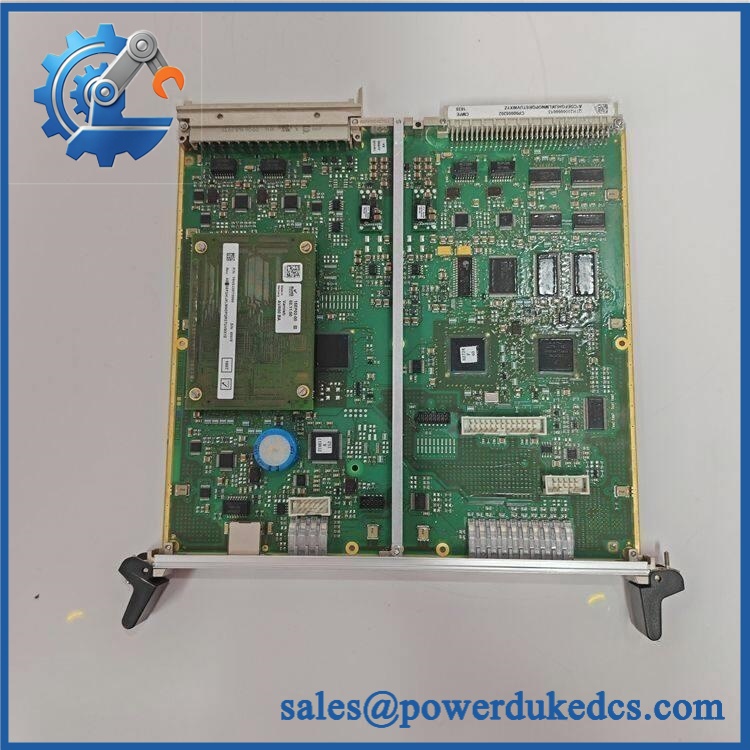
ALSTOM CMP1838
Quality Assurance & Testing SOP
The following procedure establishes a proposed inspection and acceptance scope for ALSTOM stock. The exact tests depend on the module’s documented function, approved test equipment, and system architecture.
Incoming Inspection and Product Identification
-
Identification verification: Compare the complete model number and available part references with the purchase order.
-
Physical inspection: Examine the PCB, enclosure, connectors, contacts, and accessible components for corrosion, impact damage, contamination, or unauthorized rework.
-
Authenticity screening: Inspect manufacturer markings, label consistency, serial or batch information, and available traceability records.
-
Revision recording: Photograph the identification label and record the hardware revision before testing.
-
Condition documentation: Distinguish new original stock, new surplus, and previously used stock accurately.
Power-On and Diagnostic Testing
-
Use a compatible test fixture and the applicable OEM procedure to conduct a controlled power-on self-test (POST).
-
Check RUN, ERR, and other diagnostic indicators where fitted and documented for the specific hardware revision.
-
Record initialization behavior, diagnostic messages, and any reported hardware faults.
-
Verify correct system recognition using an approved test rack or compatible control platform.
-
Document the test supply, setup, results, and any limitations.
Functional and Interface Testing
-
Exercise the module’s documented control or processing functions using an approved test configuration.
-
Verify applicable backplane communication, interface response, and data exchange against documented acceptance criteria.
-
Where the module participates in an I/O control system, test the associated I/O paths through compatible modules and an approved test harness.
-
Apply representative I/O loads only to the relevant output hardware. Do not apply loads directly to CPU or communications terminals unless expressly permitted by the OEM documentation.
-
Record test results, observed faults, and any functions that could not be verified.
Final Acceptance and Shipment Release
-
Reconcile the tested module’s part number and revision with the sales documentation.
-
Provide the agreed inspection report and available functional-test evidence.
-
Identify any unperformed tests rather than presenting inspection-only stock as fully function-tested.
-
Package the module using appropriate electrostatic-discharge protection and suitable mechanical protection.
-
Release the shipment after the agreed acceptance criteria have been met.
Acceptance limitation: Bench-test results do not establish the integrity of the entire control system. Installation, configuration verification, and site commissioning remain subject to the applicable OEM procedures and plant requirements.
Procurement & Lifecycle FAQ
Is the ALSTOM available in stock for emergency shipment?
Current stock must be confirmed for the exact , TRVCO62345000, and CP00005202 identification references. Request the available quantity, condition, revision, warehouse location, and confirmed dispatch date. Emergency shipping depends on payment clearance, export documentation, packing requirements, and carrier collection schedules. Do not assume same-day dispatch without written confirmation.
How can I verify the authenticity and condition of the module?
Request photographs of the actual unit, including its identification label, connectors, and visible hardware revision. Ask for available traceability records and a written condition declaration. When functional testing is required, establish the test scope and acceptance criteria before ordering. Visual inspection alone cannot establish full operational performance.
Will the work with my existing ALSTOM system?
Compatibility depends on the installed platform, hardware revision, rack configuration, interfaces, firmware, and software configuration. Provide the existing module’s identification details and available system documentation for comparison. Engineering approval should precede installation, particularly when a substitute or different revision is proposed.
What warranty and return terms should be specified in the purchase order?
Confirm the warranty duration, commencement date, coverage exclusions, return authorization process, and deadline for reporting defects. Agree on the remedy for a defective-on-arrival unit and responsibility for return freight. Warranty terms should be documented in the quotation or order confirmation rather than assumed.
Is the suitable for long-term lifecycle support?
That depends on the condition of available stock, system criticality, future sourcing prospects, and remaining service life of the installation. For critical equipment, assess the value of holding a tested spare against the cost of prolonged downtime. Record the installed hardware revision, identify alternative configurations approved by the OEM, and establish a procurement plan before the existing stock position becomes critical.