

Description
-
Model: Honeywell TK-FTEB01
- Associated part number: 51309512-175. The Honeywell planning documentation identifies TK-FTEB01 as an FTE Bridge module.
- Function: Fault Tolerant Ethernet (FTE) Bridge for Honeywell C200 Controller / FIM-only chassis communication. Only one FTE Bridge is specified per C200 Controller or FIM-only chassis.
- Physical dimensions: Approximately 107 × 67 × 84 mm (H × W × D) according to one published specification; another supplier lists 130 × 140 × 40 mm, so dimensional data varies by source and measurement convention. Confirm against the actual unit before freight booking.
- Estimated unit weight: Approximately 0.28 kg in multiple listings. One listing reports 0.45 kg and another 0.64 lb, so use 0.28–0.45 kg net as a planning range until the physical package is weighed.
- What’s in the box: Normally the TK-FTEB01 module only unless the seller’s packing list specifies accessories, manuals, or mounting hardware. Factory-sealed condition should be verified from the original carton and seal.
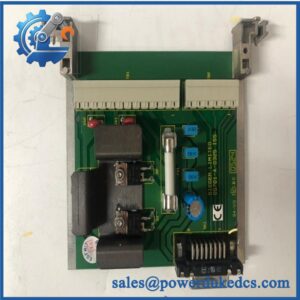
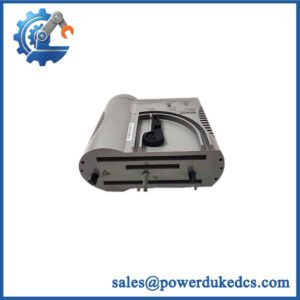
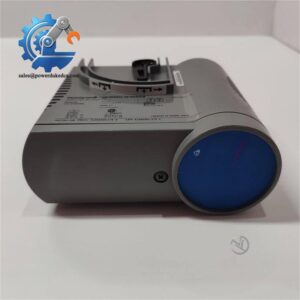
- Physical identification: Check the Honeywell nameplate, TK-FTEB01 model marking, 51309512-175 part number, revision marking, and serial/date-code information before inventory acceptance.
Product Introduction
The TK-FTEB01 sits inside the Honeywell Series A chassis architecture rather than functioning as a general-purpose Ethernet switch. Its physical role is more specific: the FTE Bridge provides communication between the Honeywell Fault Tolerant Ethernet network and C200 Controllers or FIM-only chassis. Honeywell’s planning documentation explicitly identifies TC-/TK- as the two versions, with the TK prefix indicating the conformally coated version.
For asset control, that coating distinction matters. Do not substitute a visually similar TC- without confirming the approved hardware configuration (especially where environmental qualification is part of the site’s equipment specification). Published supplier data associates 51309512-175 with TK-, while market listings show several hardware revisions, so the revision suffix should be recorded as part of the warehouse asset identity.
Core Technical Specifications
| Parameter | Value |
|---|---|
| Manufacturer | Honeywell |
| Model | TK- |
| Part Number | 51309512-175 |
| Product Type | Fault Tolerant Ethernet Bridge |
| System Association | Honeywell Experion / C200 architecture |
| Chassis Compatibility | Series A chassis |
| Primary Network | Honeywell Fault Tolerant Ethernet |
| Chassis Slots | 2 |
| Current Draw at 24 VDC | Approx. 0.090 A |
| Current Draw at 5 VDC | Approx. 1.000 A |
| Operating Temperature | -40°C to +70°C |
| Storage Temperature | -40°C to +85°C |
| Published Weight | Approx. 0.28 kg |
| Conformal Coating | Yes — TK version |
| Redundancy | FTE architecture |
| Maximum per C200/FIM Chassis | One FTE Bridge |
| Mounting Environment | Honeywell Series A chassis |
Published electrical and environmental values are based on available supplier documentation; the Honeywell planning guide confirms the FTE Bridge function and Series A chassis context.
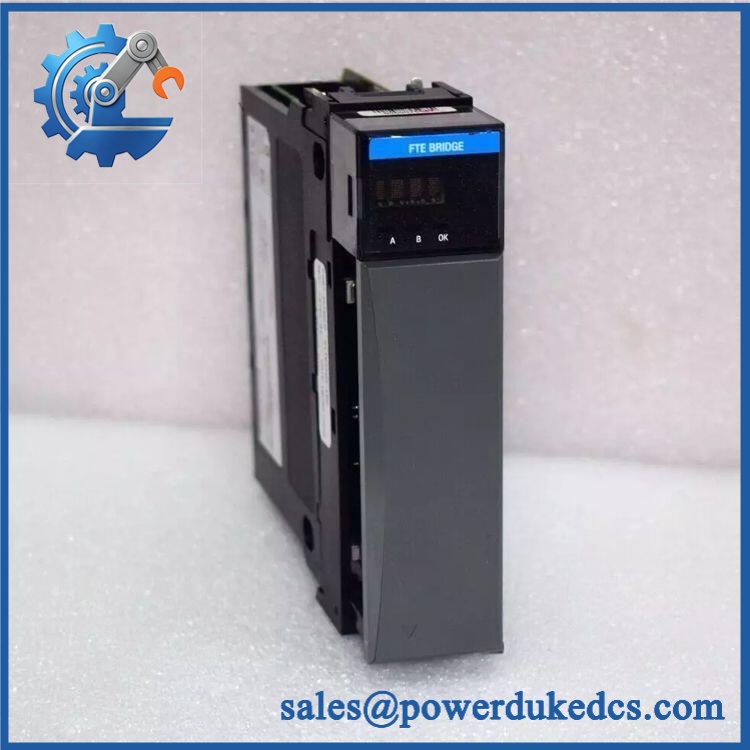
HONEYWELL TK-FTEB01
? Global Compliance & Industry Certifications
For international shipment, treat the following as verification items rather than assumed certifications:
- CE Mark: Verify the exact nameplate, declaration, and applicable Honeywell documentation for the specific hardware revision.
- UL/cUL: Verify the product certification file and whether the installed configuration falls within the applicable listing.
- ATEX / IECEx: Do not assume hazardous-area approval simply because the module is industrial automation hardware. If the final installation is in a classified hazardous location, the complete certified system configuration must be checked.
- Marine approvals: DNV, ABS, or other marine certification should be confirmed separately if the equipment is intended for vessel or offshore installation.
- RoHS / environmental compliance: Confirm the applicable Honeywell declaration for the specific revision and manufacturing period.
For hazardous-area applications, certification of the complete installed assembly matters. A certified component by itself does not automatically make a cabinet or control system suitable for a classified location.
Verify specific lot certifications with OEM.
? Long-Term Storage & Asset Preservation Guide
Keep the TK- in its original ESD shielding bag whenever possible. The PCB and connector contacts should not be exposed unnecessarily during warehouse inspections. For a high-value spare, opening factory packaging simply to photograph the board is poor asset practice.
Control the storage environment. Honeywell-published data gives a storage temperature range extending to -40°C to +85°C, but warehouse storage should preferably remain in a stable, clean, dry environment rather than repeatedly cycling between temperature extremes.
Record the date code and revision when receiving the asset. This becomes important when several TK- revisions accumulate in the same warehouse. Do not mix factory-sealed and previously installed units under one condition code.
For long-term storage, retain the original carton, ESD packaging, labels, and documentation together. Avoid stacking heavy material directly on the module enclosure or connector area.
Physical Installation Prerequisites
- Mounting: The TK- is associated with Honeywell Series A chassis hardware rather than being treated as an independent field DIN-rail device.
- Chassis space: Published data indicates that the module occupies two chassis slots. Confirm the actual chassis layout before replacement.
- Cooling: Maintain the cabinet’s designed airflow path. Do not obstruct chassis ventilation openings with cable bundles or adjacent equipment.
- Grounding: Use the chassis grounding arrangement specified for the Honeywell cabinet and verify protective-earth continuity before energization.
- ESD control: Ground the technician and use an ESD-safe workstation or wrist strap when handling the exposed module.
- Network installation: Confirm the FTE network topology and approved Honeywell cabling before connecting the bridge. The FTE Bridge has a defined role in the C200/FIM communication architecture; it is not a generic Ethernet replacement.
Buyer’s FAQ
Q1: What HS code should be used for TK-?
There is no universally correct HS tariff code based only on the model number. Classification depends on the module’s technical function and the importing country’s tariff schedule. For customs entry, provide the Honeywell part number, product description, technical datasheet, and intended function to the customs broker and obtain the applicable national tariff classification.
Q2: Does Country of Origin affect this spare part?
Yes. Country of Origin (COO) is separate from the manufacturer’s name. Do not infer COO from the Honeywell brand or from the shipping location. Use the manufacturer’s documentation, product marking, or supplier’s traceable COO declaration, and make sure the commercial invoice and COO documentation are consistent.
Q3: How should I insure a shipment of this module?
Insure the shipment against the actual commercial value, particularly for factory-sealed or hard-to-source Honeywell inventory. Photograph the carton, original seal, part-number label, and packaging condition before dispatch; these records are useful if a freight-damage claim becomes necessary.
Q4: Does a replacement TK- arrive with the latest firmware?
Do not assume that it does. This is a hardware FTE Bridge, and available inventory can contain different hardware revisions. Market listings show Rev. A and Rev. C examples, among others. Before purchase, request the actual revision, date code, serial number, and configuration status of the offered unit rather than relying solely on the generic TK- model number.


 Start Chat