

Description
- GE 85UVF1-1CEX | UL CE Industrial Safety Sensor
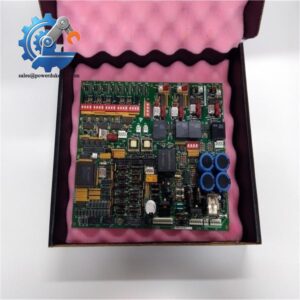
2. Unboxing & Physical Snapshot
- Brand & Model: GE 85UVF1-1CEX
- OEM Product Family: Fireye Phoenix 85UVF Integrated Flame Scanner with Internal Flame Relay (Fireye combustion safety products are part of the GE industrial control ecosystem in many replacement inventories).
- Detection Technology: Ultraviolet (UV) flame detection sensor, designed to detect UV emissions in the approximately 295–340 nm range.
- Approximate Physical Dimensions: Approximately 3.9 × 5.5 × 8.5 in (100 × 140 × 216 mm), depending on mounting configuration.
- Estimated Shipping Weight: Approximately 9 lb (4.1 kg) with packaging.
- Housing Construction: Painted aluminum hazardous-area housing with sealed optical assembly.
- Connection Type: Electrical connection through dedicated quick-disconnect interface (configuration dependent).
- What’s in the Box:
- GE/Fireye Phoenix 85UVF1-1CEX flame scanner
- Protective packaging
- Mounting hardware when supplied
- Electrical connector accessories when included
- OEM documentation when available
3. Product Introduction
Designed for combustion systems where flame verification cannot be compromised, the GE 85UVF1-1CEX provides ultraviolet flame monitoring with an integrated flame relay. This model is intended for hazardous-area applications where enclosure certification, optical alignment, and wiring practices must satisfy strict plant safety requirements (especially around fuel-fired equipment).
The scanner installs at the burner sighting location and interfaces with combustion management equipment through dedicated electrical connections. Correct mechanical positioning matters. The optical path must remain clean, properly aligned, and free from vibration-induced movement. Check the sight tube, mounting flange, and lens condition before commissioning. A dirty lens can imitate a weak flame signal.
4. Core Technical Specifications
| Parameter | Value |
|---|---|
| Manufacturer | GE / Fireye Phoenix Series |
| Model Number | 85UVF1-1CEX |
| Product Type | Integrated UV Flame Scanner |
| Flame Detection Method | Ultraviolet optical sensing |
| UV Detection Range | Approximately 295–340 nm |
| Internal Relay | Integrated flame relay |
| Power Supply | 24 VDC |
| Analog Output | 4–20 mA flame strength signal |
| Electrical Connection | 8-pin quick disconnect (configuration dependent) |
| Hazardous Area Housing | Ex II 2 G/D rated housing |
| Enclosure Rating | IP66 / NEMA 4X style protection for approved housing |
| Operating Temperature | Approximately -40°C to +65°C |
| Weight | Approximately 4.3 kg |
| Self Diagnostics | Integrated electronic self-checking |
| Mounting | Burner sighting installation with separate flange hardware |
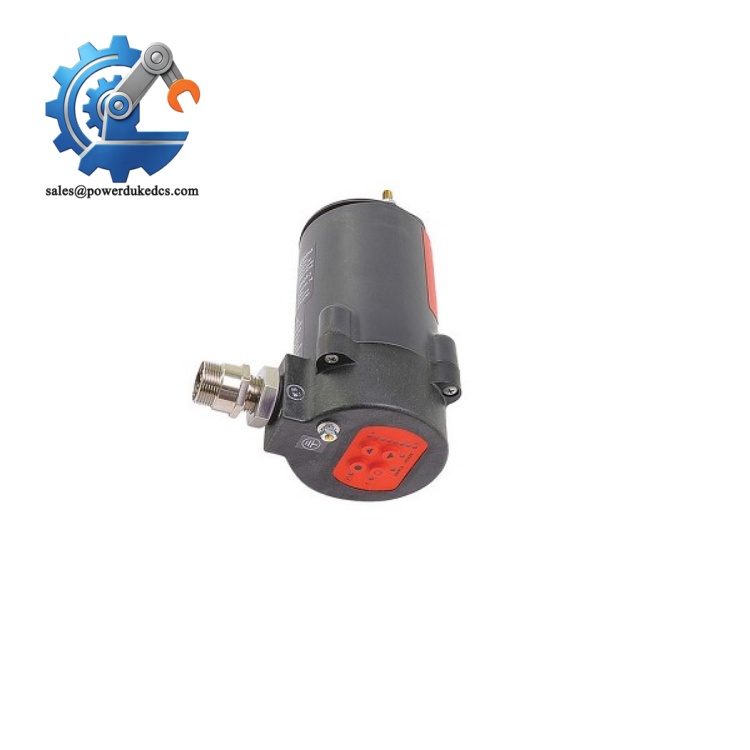
GE 85UVF1-1CEX
5. Global Compliance & Industry Certifications
Expected regulatory approvals for the GE 85UVF1-1CEX flame scanner include:
- ATEX Ex II 2 G/D — hazardous-area approval for applicable gas and dust environments.
- IECEx compatibility — may apply depending on certification package and production revision.
- CE Mark — applicable for European conformity requirements.
- UL/cUL Listed or Recognized approvals — available on applicable Phoenix scanner configurations.
- FM Approval — available on selected hazardous-area configurations.
- IP66 / NEMA 4X environmental protection — helps protect the enclosure against dust and water ingress in approved installations.
ATEX certification is critical because it verifies that the equipment enclosure design is suitable for specified explosive atmospheres when installed according to the certification requirements. It does not mean the device can be installed anywhere without reviewing the complete burner system design.
Verify specific lot certifications with OEM.
6. Long-Term Storage & Asset Preservation Guide
- Keep the scanner sealed in its original protective packaging until installation. The UV sensing window and optical surfaces are precision components; contamination can reduce detection performance.
- Store indoors with humidity controlled below 60% RH. Moisture intrusion around connectors and enclosure seals can create intermittent flame-signal faults after installation.
- Inspect the sealing surfaces, threaded mounting areas, and electrical connector before field use. Replace damaged gaskets or degraded seals before placing the unit into hazardous service.
- Avoid storing near solvents, acids, or combustion chemicals. Chemical exposure can attack optical coatings and painted aluminum housing surfaces.
- Record the serial number, certification markings, and storage inspection dates. Traceability matters during burner management system audits.
7. Physical Installation Prerequisites
- Install the GE 85UVF1-1CEX using the correct burner mounting flange and sighting arrangement.
- Maintain a clear optical path between the scanner and flame target. Remove soot, deposits, or physical obstructions before startup.
- Provide a stable mechanical mounting surface. Excessive burner vibration can shift the viewing angle and cause nuisance trips.
- Verify hazardous-area wiring methods before connecting power.
- Confirm the protective earth/grounding arrangement where required by the installation standard.
- Maintain adequate clearance around the scanner body for inspection and removal (avoid placing the unit directly against hot burner structures).
- Check connector locking hardware before operation. Loose connections can create intermittent flame relay signals.
8. Buyer’s FAQ (Logistics & Compliance Focus)
Q: What HS Tariff Code is commonly used for the GE 85UVF1-1CEX?
A: Flame scanners are generally evaluated under industrial electrical sensing or control equipment categories. Possible classifications may include HS headings around 8531 or related electrical apparatus categories, depending on the importing country’s interpretation. Confirm the final HS code with a customs broker before export.
Q: Does Country of Origin affect acceptance of this flame scanner?
A: Yes. COO affects customs declarations, procurement records, and traceability requirements for safety-related equipment. Keep the manufacturer label, certification markings, and supplier documentation with the asset record.
Q: Should shipping insurance be purchased for this device?
A: Recommended. The optical sensor assembly, internal electronics, and certified enclosure can suffer damage from shock or moisture during transport. Insure shipments based on replacement cost rather than material value.
Q: Does the GE 85UVF1-1CEX include the latest firmware or configuration?
A: This device is not typically managed like a PLC processor with field-loaded firmware packages. Configuration and calibration parameters depend on the scanner revision and application setup. Verify compatibility with the burner management system before installation.



 Start Chat