

Description
- Brand: GE General Electric
- Full Model Number: DS200SLCCG1ACC
- Lifecycle Status: Obsolete / legacy Mark V
- Core Function: LAN communications for GE Mark V drives, exciters, and turbine control applications
- Top 3 Technical Specs: DLAN and ARCNET communications; integrated LAN Control Processor (LCP); dual-port RAM interface
- Memory: Two onboard EPROM modules for LCP program storage
- Interface: Isolated and non-isolated communications circuits
- Display Interface: Compatible 16-position alphanumeric keypad/display
- Functional Acronym: SLCC
- Primary Functional Revision: A
- Secondary Functional Revision: C
- Artwork Revision: C
- Manual: GEI-100162
- Condition: New Surplus / Tested Refurbished subject to actual inventory
- Stock Status: Physical stock confirmation required before PO
- Shipping: Emergency dispatch cutoff to be confirmed at order time
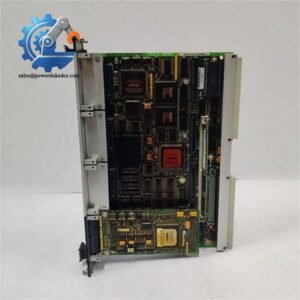
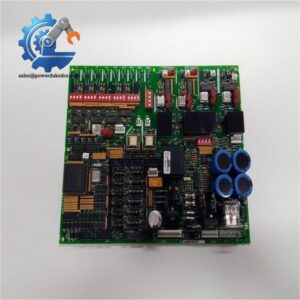
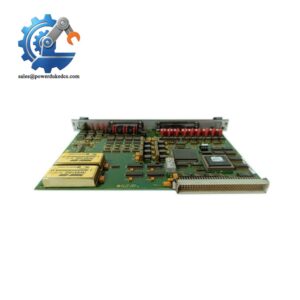
The DS200SLCCG1ACC is identified as a GE Mark V DS200 LAN Communication Card. Documentation references the SLCC board as providing DLAN and ARCNET communications, with an onboard LCP, EPROM program storage, and dual-port RAM for communication with the associated drive control board.
Obsolescence & Supply Chain Deep Dive
A communication-card failure can stop more than data exchange; it can prevent a legacy Mark V drive or turbine-control installation from communicating with its associated control architecture. The DS200SLCCG1ACC belongs to the discontinued Mark V generation, making exact-revision sourcing important when an installed SLCC board fails. The G1 configuration supports both DLAN and ARCNET communications and provides isolated and non-isolated communication circuits. Its LCP handles LAN communication processing, while dual-port RAM provides the data exchange path between the LCP and the drive control board.
For a plant that still has serviceable Mark V equipment, replacing the failed communication board can avoid the engineering, panel modification, commissioning and validation costs associated with a larger control-system migration. The investment case is therefore primarily about avoiding unnecessary system-level expenditure and reducing downtime exposure. Exact revision matching remains critical, however. DS200SLCCG1ACC carries A/C/C revision identifiers, and other SLCC variants use different revision combinations; a base-model match alone should not be treated as sufficient approval.
Compatibility & Replacement Matrix
| Replacement Scenario | Assessment | Engineering / Procurement Action |
|---|---|---|
| DS200SLCCG1ACC replacing the same DS200SLCCG1ACC | Drop-in Replacement | Verify complete part number, revision markings, connectors and installed configuration |
| Another DS200SLCCG1 family revision replacing | Compatibility Verification Required | Compare functional revision, artwork revision, communication configuration and applicable GE documentation |
| Firmware replacement | Not Normally a Firmware-Flash Procedure | LCP program storage uses onboard EPROM devices; verify the supplied board configuration rather than assuming field firmware flashing |
| DLAN application | Supported by G1 configuration | Verify the installed network architecture before replacement |
| ARCNET application | Supported by G1 configuration | Confirm the existing network interface and associated hardware |
| Full Mark V migration | Not Required for Like-for-Like Board Replacement | Evaluate separately if multiple legacy components are approaching end of support |
| Estimated board replacement labor | Approximately 2–4 hours | Includes isolation, board removal, configuration verification and post-installation checks |
| Engineering review for variant substitution | Approximately 2–8 hours | Depends on available drawings, board revision documentation and installed network configuration |
The uses the GEI-100162 LAN Communications Card manual. Available documentation also identifies connector 3PL as an interface from the drive control card and confirms the use of DLAN and ARCNET on the G1 configuration.
Field Traps to Watch Out For
Revision mismatch: is identified with functional revisions A and C plus artwork revision C. Other SLCC variants, such as DS200SLCCG1ADC, have a different secondary functional revision. Do not substitute by matching only the DS200SLCCG1 prefix.
Network architecture mismatch: The G1 configuration is associated with both DLAN and ARCNET circuitry. Before approving the replacement, engineers should document which communication path the existing installation uses and verify the board’s connectors and configuration against the removed unit.
EPROM and configuration retention: The LCP program is stored in onboard EPROM devices. Do not assume that a visually similar SLCC board contains the same programmed configuration.
ESD handling: Use static-control procedures during storage, inspection and installation. The board should remain in ESD-protective packaging until it is ready for controlled installation.
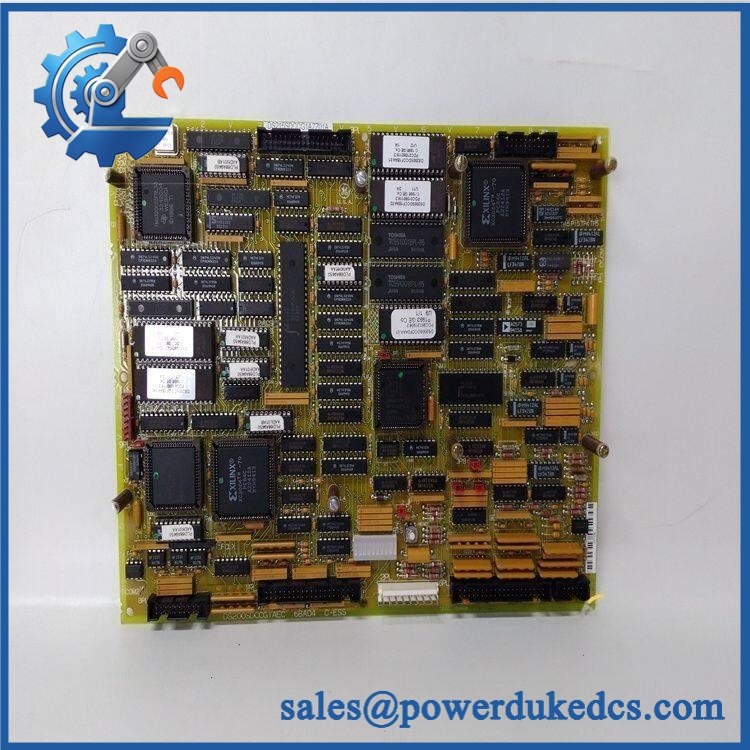
GE DS200SLCCG1ACC
Quality Assurance & Testing SOP
For obsolete Mark V communication boards, QA should establish exact identity first and electrical condition second. A board that passes a visual inspection but carries the wrong revision should not be released as an equivalent replacement.
- Part-number verification: Confirm the complete marking against the purchase order.
- Revision verification: Record the A/C/C functional and artwork revision identifiers where present.
- OEM anti-counterfeit visual inspection: Examine GE markings, PCB identifiers, component placement, connectors and manufacturing labels.
- PCB condition inspection: Check for corrosion, contamination, damaged traces, cracked components, bent pins and evidence of overheating.
- Connector inspection: Examine communication and board-to-board connectors for oxidation, mechanical damage or displaced contacts.
- EPROM inspection: Verify the onboard EPROM devices are physically present, correctly seated and free from visible damage.
- LCP hardware inspection: Check the LAN Control Processor area for component damage and abnormal solder conditions.
- Memory/interface inspection: Inspect the dual-port RAM circuitry and associated components.
- Keypad/display interface check: Verify the connector and interface used by the optional alphanumeric keypad/display.
- Power-on test: Where a qualified test fixture is available, energize the board under controlled conditions and monitor for abnormal current draw or visible fault indications.
- Communication test: Test applicable DLAN and ARCNET communication paths using an appropriate Mark V-compatible test environment.
- Processor operation check: Verify LCP operation through the available diagnostic and communication test procedure.
- I/O/interface verification: Confirm the board communicates correctly with the associated drive-control interface.
- Thermal observation: Monitor the board during the defined test period for abnormal heating or unstable behavior.
- Final inspection: Recheck connectors, EPROM devices, mounting points and identification labels after testing.
- ESD packaging: Seal the approved board in static-protective packaging with suitable mechanical protection.
- QC record: Record model, revision, serial/identification markings where available, test date and inspection result.
Testing should follow the applicable GE documentation and the customer’s installed Mark V configuration. Bench testing alone does not establish complete system compatibility.
Procurement & Lifecycle FAQ
Is the genuinely in stock, and what is the emergency-shipping cutoff?
Physical inventory should be confirmed before the PO is released. Current online supplier references show inventory listings, including listings stating same-day shipment, but those third-party stock claims do not establish the inventory of a separate supplier. Request a physical-stock confirmation, condition, test status and warehouse cutoff together when the requirement is urgent.
How do you verify the condition and authenticity of an obsolete ?
The supplier should verify the complete part number and revision against the physical PCB. Inspection should cover GE identification markings, PCB construction, connectors, EPROM devices, components and evidence of previous field use. For surplus units, request photographs of the actual board and its nameplate before shipment when project traceability is important.
Are there firmware compatibility issues before issuing the PO?
The is a communication board with an onboard LAN Control Processor and EPROM program storage rather than a modern controller normally updated through a field firmware utility. The more important procurement checks are the exact board revision, EPROM configuration, network architecture, connectors and associated Mark V hardware.
What warranty terms and return conditions should procurement request?
The quotation should explicitly identify the warranty period, warranty start date, DOA procedure, return authorization requirements and remedy. For obsolete boards, procurement should also establish whether the supplied unit is new surplus, used, refurbished or repaired. These condition categories should not be treated as interchangeable.
Can replace another SLCC board with the same base number?
Not automatically. The DS200SLCCG1 family contains multiple revision variants. For example, available documentation identifies with an A/C/C revision structure, while DS200SLCCG1ADC carries A/D/C. Engineering should compare the complete installed part number, revision, network configuration and applicable GE documentation before approving a variant substitution.


 Start Chat