

Description
- Brand: GE General Electric
- Full Model Number: IS200AEPCH1BAA
- Lifecycle Status: Legacy / Obsolescence risk
- Core Function: AEPC excitation control interface board
- Top 3 Technical Specs: Mark VI excitation platform; H1 hardware group; BAA revision/configuration
- System: GE Mark VI Speedtronic Excitation Control
- Application: Generator excitation and voltage-control systems
- Board Family: AEPC
- PCB Type: Mark VI printed circuit board assembly
- Stock & Condition: Exact stock confirmation required; New Surplus / Tested Refurbished; Emergency shipping subject to warehouse cutoff
Module 3: Obsolescence & Supply Chain Deep Dive
A failed IS200AEPCH1BAA can interrupt generator excitation control while the rest of the Mark VI installation remains serviceable. The AEPC board belongs to GE’s excitation-control hardware family and sits within the control and interface architecture used to manage generator excitation functions. Because this is a legacy board, the practical sourcing problem is often not engineering complexity but finding the exact hardware revision with acceptable traceability before an outage expands into a longer forced downtime event.
For TCO analysis, replacing the failed PCB is usually a much smaller intervention than migrating the complete excitation-control system. Existing cabinets, field wiring, excitation hardware, application logic, and commissioning procedures can remain in service when the fault is isolated to the board. The economic benefit comes from avoiding cabinet rewiring, controls engineering, protection coordination changes, factory testing, and extended generator outage costs. (Legacy GE boards should be matched by the complete part number; visually similar AEPC variants should not be treated as interchangeable without documentation review.)
Module 4: Compatibility & Replacement Matrix
| Approval Item | Engineering Assessment |
|---|---|
| Exact Part Replacement | Drop-in Replacement when the installed board is identified as IS200AEPCH1BAA and the system configuration matches |
| Software Compatibility | Configuration-dependent; verify Mark VI excitation application and connected control hardware |
| Firmware Flash | Not automatically required for a board replacement; confirm the installed system revision before commissioning |
| Hardware Modification | Normally none for an exact-match replacement |
| Estimated Physical Swap | 1–3 hours for qualified excitation/control technicians |
| Estimated Engineering Cost | 250–1,500 planning allowance |
| Commissioning | Required for excitation signals, alarms, and system response verification |
| Substitution with Other AEPC Boards | Not approved without engineering verification |
⚠️ Field Traps — Watch Out
- Exact Suffix Match: Verify IS200AEPCH1BAA character-for-character. GE Mark VI boards frequently exist in closely related hardware revisions, and a similar base number does not establish functional equivalence.
- Excitation Configuration: Do not validate the replacement only by powering it on. Confirm the board’s connected I/O, cabinet location, excitation-control configuration, and application parameters before returning the generator to service.
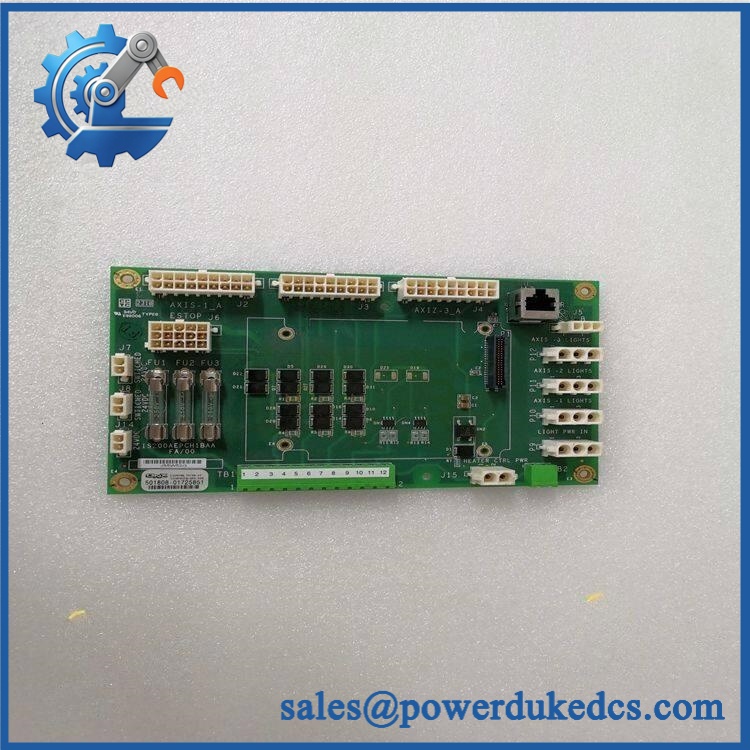
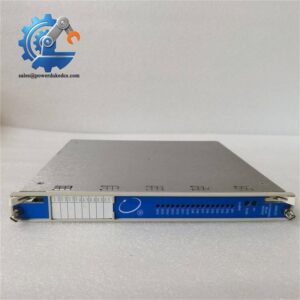
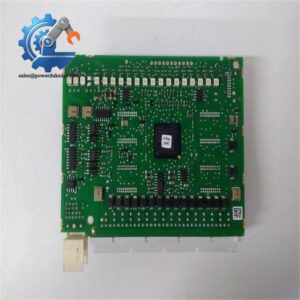
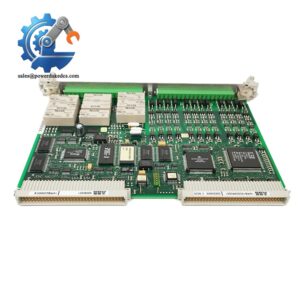
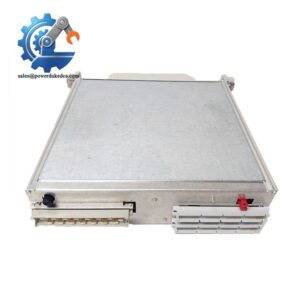
GE IS200AEPCH1BAA
Module 5: Quality Assurance & Testing SOP
- OEM anti-counterfeit visual inspection — verify GE markings, board identification, revision notation, PCB layout, connectors, component placement, and manufacturing labels.
- Full part-number verification — record IS200AEPCH1BAA exactly, including the H1 and BAA identifiers.
- Mechanical inspection — examine board edges, mounting points, connectors, terminal interfaces, solder joints, and hardware for damage or prior repair.
- PCB condition screening — inspect for corrosion, contamination, cracked joints, overheated components, damaged traces, and signs of unauthorized modification.
- Electrical pre-screening — perform continuity, resistance, isolation, and grounding checks before energized testing.
- Power-on self-test (POST) — install the board in an approved Mark VI excitation test environment and verify expected initialization and diagnostic behavior.
- I/O functional testing — apply controlled test signals to applicable input and output paths and verify signal acquisition, scaling, and response.
- Excitation-interface testing — simulate representative excitation-control commands and feedback conditions to confirm correct board response.
- Alarm and diagnostic testing — verify applicable fault, permissive, status, and alarm pathways.
- Extended energized run — monitor the board for intermittent faults, signal instability, abnormal heating, and unexpected diagnostic events.
- Configuration verification — record applicable Mark VI software/control revisions and document the replacement board’s installed configuration.
- Final QC release — photograph the identification label, retain the complete test record, use ESD-safe packaging, and preserve serial/part-number traceability.
Module 6: Procurement & Lifecycle FAQ
Q1. Is IS200AEPCH1BAA genuinely in stock, and what is the cutoff for emergency shipping?
Exact inventory should be confirmed against the number, quantity, condition, and destination before the PO is released. Emergency orders should be identified before the warehouse dispatch cutoff so tested inventory and same-day carrier availability can be checked.
Q2. How do you verify the condition and authenticity of an obsolete ?
The board should undergo OEM marking inspection, complete part-number verification, PCB and connector examination, electrical screening, energized testing, and applicable excitation-interface testing. Photographs and the QC record should remain associated with the shipped unit.
Q3. Are there firmware compatibility issues engineers should check before issuing the PO?
Yes, although the main risk is system configuration mismatch rather than assuming a simple firmware issue. Verify the Mark VI excitation application, connected boards, I/O assignments, software revision, and original board hardware revision before installation.
Q4. Can another IS200AEPC board replace ?
Do not approve that substitution without engineering review. Closely related GE board numbers can represent different hardware revisions or configurations. Match the complete board identification and the installed cabinet documentation before releasing the replacement.
Q5. What warranty and return terms should procurement require?
Require the quotation to state the warranty period, DOA criteria, return-authorization process, serial-number traceability, and exclusions for incorrect installation, field modification, overvoltage, or wiring errors. For a legacy excitation board, the exact part number should appear on the quotation, QC record, and warranty documentation.


 Start Chat