

Description
- Model & Brand: GE IS200TSVCH2ADC
- Series: GE Mark VIe / Mark VI Speedtronic
- Part Type: TSVC Servo Input/Output Terminal Board
- Core Role: Interface between the Mark VIe I/O pack and electro-hydraulic servo valves
- Servo Channels: 2 servo-valve control channels
- Associated I/O Pack: IS220PSVO
- Dimensions: Approx. 330.2 × 177.8 mm (13.0 × 7.0 in); verify the actual cabinet drawing before installation
- Estimated Shipping Weight: Approx. 0.8–1.2 kg packed
- Board Technology: Surface-mount electronics with terminal and I/O-pack interfaces
- What’s in the Box: IS200TSVCH2ADC terminal board; ESD shielding; connector protection; mounting hardware and documentation only when expressly included
- Typical Application: Steam-valve and fuel-valve servo control
- Cooling: Cabinet-level airflow
- Handling: ESD-controlled storage and installation required
GE documentation identifies the IS200TSVCH2A as the TSVC terminal board used with the PSVO servo control I/O pack, while current technical records identify IS200TSVCH2ADC as a specific Mark VIe Servo Input/Output Terminal Board revision.
Product Introduction
The TSVC occupies the physical boundary between the controller’s servo electronics and the hydraulic actuators that move turbine fuel or steam valves. In the Mark VIe architecture, the TSVC terminal board works with the IS220PSVO servo control I/O pack and associated servo-driver hardware. GE documentation describes the PSVO arrangement as controlling electro-hydraulic servo valves and provides dedicated electrical ratings for the servo outputs, LVDT excitation, speed-sensor power, and feedback circuits.
For maintenance inventory, IS200TSVCH2ADC should not be reduced to the generic “TSVC” designation. The available records identify the base TSVC hardware as IS200TSVCH2A, while the customer’s ADC suffix represents a specific physical board revision. The connected PSVO pack, servo driver, LVDT circuit, and valve-coil wiring all need to match the installed cabinet architecture (particularly important when replacing a board in a certified turbine-control installation).
Core Technical Specifications
| Parameter | Value |
|---|---|
| Manufacturer | General Electric |
| Part Number | IS200TSVCH2ADC |
| Functional Board | TSVC |
| Product Type | Servo Input/Output Terminal Board |
| System | Mark VI / Mark VIe |
| Associated I/O Pack | IS220PSVOH1A / IS220PSVOH1B, configuration dependent |
| Servo Channels | 2 |
| Primary Application | Electro-hydraulic steam and fuel valve control |
| PSVO Supply | 27.4–28.6 VDC, nominal 28 VDC |
| PSVO Maximum Current | 1.0 A |
| LVDT Excitation | 7.00 VAC nominal |
| LVDT Excitation Frequency | 3.2 kHz nominal |
| LVDT Excitation Current | 127 mA maximum |
| Servo Output Voltage | -10 to +10 VDC |
| Servo Output Current | -120 to +120 mA |
| Speed Sensor Power | 24 VDC nominal; 22.8–25.2 VDC |
| Speed Sensor Power Current | 40 mA |
| Minimum Servo Load | 27 Ω total resistive load |
| Approx. Board Size | 13.0 × 7.0 in |
| Firmware | No independent firmware package on the passive terminal board |
| Host Software | Mark VIe / PSVO configuration dependent |
| Hazardous Location | Configuration-dependent; certified TSVC/PSVO combinations exist |
| Lifecycle Position | Legacy Mark VI hardware; verify exact replacement path |
GE’s Mark VIe instruction guide provides the electrical ratings for the PSVO + TSVC + servo-driver arrangement, including 28 VDC nominal supply, 7.00 VAC LVDT excitation, ±10 VDC servo output, and ±120 mA servo output current.
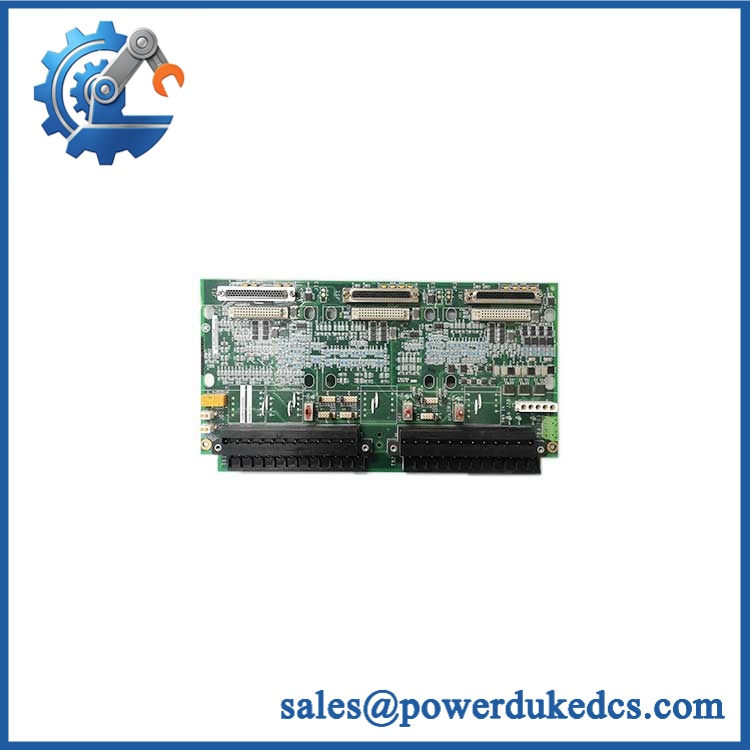
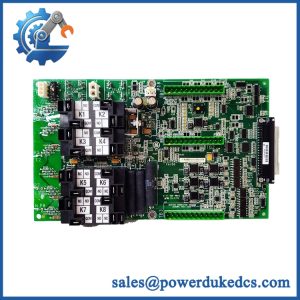
GE IS200TSVCH2ADC
🚨 Global Compliance & Industry Certifications
The compliance status of this board must be assessed as part of the complete Mark VIe servo-control assembly.
- CE Mark: May apply to the complete Mark VIe control equipment. Do not claim independent CE conformity for the bare TSVC board without revision-specific GE documentation.
- UL/cUL: Do not claim independent UL/cUL listing for IS200TSVCH2ADC unless the exact hardware assembly is covered by the applicable GE certification.
- ATEX / IECEx: GE’s published hazardous-location documentation includes IS200TSVCH2A with the compatible PSVO servo-control configuration. The certification applies to the approved hardware combination and installation conditions, not automatically to every TSVC board carrying a similar designation.
- Class I, Division 2 / Zone 2: Applicability depends on the complete Mark VIe equipment arrangement, enclosure, wiring, I/O pack, and installation method.
- Marine Approvals: No independent DNV, ABS, or Lloyd’s Register approval was established for this exact ADC board from the reviewed sources.
- Functional Safety: Do not assign a SIL claim to the terminal board by itself. The safety function belongs to the complete approved control architecture.
GE’s ATEX declaration specifically associates IS200TSVCH2A with the approved PSVO servo-control arrangement and identifies hazardous-location protection characteristics.
Why this matters: The TSVC is connected to servo outputs that can actuate turbine fuel and steam valves. An incorrect terminal-board or I/O-pack combination can affect valve positioning and may also invalidate the intended hazardous-location installation.
Verify specific lot certifications with OEM.
🚨 Long-Term Storage & Asset Preservation Guide
Keep the inside an ESD shielding bag. Protect the edge connectors, terminal interfaces, and PCB surface from dust, fingerprints, static discharge, and mechanical impact. Store the board in a rigid support rather than allowing the connector edge to contact shelving.
Control humidity below 60% RH where practical. Condensation is the main concern during cold storage and international freight. A board may pass visual inspection while connector oxidation later produces intermittent LVDT or servo-signal faults.
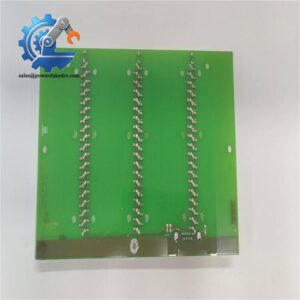
Preserve the PSVO and servo-driver association in the warehouse record. Mark the spare as a TSVC board for PSVO architecture and retain photographs of the connector layout. Do not mix TSVC boards with similar-looking Mark VI terminal boards such as TREG, TDBT, or TBAI.
Before energization after extended storage, allow the sealed package to reach room temperature. Then inspect connector pins, terminal hardware, PCB solder joints, and the board’s identification markings.
Physical Installation Prerequisites
- Host System: Install within the approved GE Mark VI/Mark VIe servo-control architecture.
- I/O Pack: Verify the compatible IS220PSVO I/O pack and the exact hardware revision. GE’s certified arrangement explicitly lists IS220PSVO with IS200TSVCH2A.
- Servo Driver: Verify the associated servo-driver board and valve-coil interface before reconnecting field wiring.
- Power Isolation: Follow the approved turbine shutdown and lockout/tagout procedure before working on the terminal board.
- Servo Outputs: Confirm the external servo-valve load meets the documented 27 Ω minimum resistive load requirement for the PSVO output arrangement.
- LVDT Wiring: Label excitation and feedback wiring before board removal. Incorrect LVDT connections can create a valve-position feedback fault.
- Terminal Access: Preserve enough working clearance for the terminal wiring and I/O-pack connection. Follow the actual cabinet drawing rather than applying a generic clearance number.
- Grounding: Preserve the Mark VIe cabinet protective-earth and signal-ground arrangement.
- Cooling: Keep cable bundles away from the board and maintain the cabinet’s designed airflow path.
- ESD: Use a grounded wrist strap and ESD-safe work surface.
- Hazardous Location: Where the installation is classified, verify the exact approved PSVO/TSVC combination, cable glands, wiring method, and enclosure requirements before commissioning.
- Final Valve Test: Verify full servo movement, LVDT feedback, polarity, fail response, and commanded valve position before returning the turbine to service.
Buyer’s FAQ
Q1. What HS Tariff Code should be used for ?
Do not assign a final HS classification from “servo terminal board” alone. This is a dedicated industrial control-system assembly, and classification depends on the product function and the importing country’s tariff rules. Have the customs broker review the technical description, electrical role, commercial invoice wording, and destination tariff schedule.
Q2. What Country of Origin documentation should accompany the shipment?
Use the actual manufacturing origin supported by supplier or manufacturer records. The warehouse or shipping location does not establish COO. Keep the commercial invoice, packing list, COO statement or certificate where applicable, exact part-number photograph, revision information, and serial/lot traceability together.
Do not assume it can. The board interfaces with servo valves, LVDT feedback, and control power, and the associated PSVO assembly can deliver up to ±120 mA servo output. Unless the exact GE maintenance procedure expressly permits live intervention, use a controlled shutdown and electrical isolation process.
Q4. Does a New Original include the latest firmware?
No independent firmware should be expected on the terminal board itself. The programmable processing resides in the associated PSVO I/O pack, while the TSVC provides the physical servo and feedback interface. GE’s documentation treats the TSVC as an accessory terminal board for the PSVO module.
Q5. What warranty and shipping controls should be required?
The quotation should identify the complete revision, physical condition, serial/lot information where available, warranty period, return procedure, and pre-shipment inspection scope. For international freight, use ESD shielding, rigid connector protection, moisture control, and insurance based on the documented replacement value.


 Start Chat