

Description
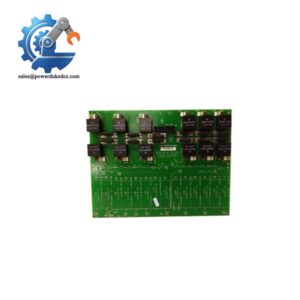
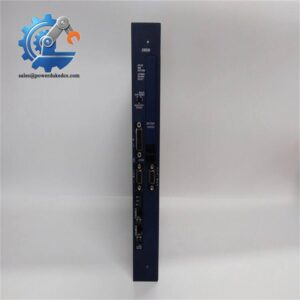
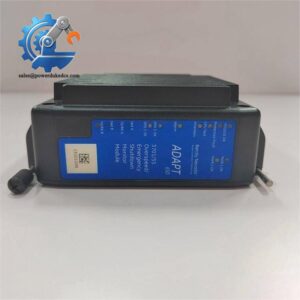
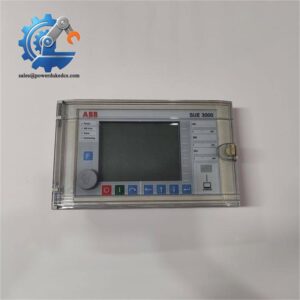
- Model & Brand: GE General Electric IS200TTURH1CFD
- Series: Mark VIe
- Functional Acronym: TTUR
- Part Type: Turbine Terminal Board / Turbine-Specific Primary Trip Interface
- Primary Application: GE turbine control and primary turbine protection
- Supported Architecture: Simplex and TMR applications
- I/O Capacity: 48 total terminal connections
- Speed Inputs: Up to 12 passive pulse-rate inputs in the documented primary-trip arrangement
- Electrical Signals: Turbine speed, generator voltage, bus voltage, shaft-related monitoring, and trip-related signals
- Trip Output: 125 VDC output associated with automatic generator synchronization
- Relays: K25, K25P, and K25A
- Terminal Blocks: 2 pluggable terminal blocks, 24 connections each
- PCB Protection: Conformal coating
- Physical Dimensions: Approximately 150 × 150 × 50 mm reported by one supplier; another supplier reports 300 × 150 × 50 mm for its packaged product format, so verify the actual board before freight or cabinet planning
- Estimated Shipping Weight: Approximately 0.4–0.5 kg net according to current supplier listings; use the actual packed weight for freight calculation
- What’s in the Box: IS200TTURH1CFD board and ESD protective packaging; I/O packs, terminal hardware, cables, and mounting accessories only when explicitly included on the PO
- Handling Class: ESD-sensitive turbine-control PCB; protect the two terminal blocks, connector pins, shield bar, and conformal-coated circuitry
GE references identify IS200TTURH1CFD as the TTUR Terminal Turbine Board, with C and F functional revisions and D artwork revision. Current technical records identify it as a Mark VIe turbine-specific primary-trip interface supporting VTUR/PTUR-related turbine protection functions.
Product Introduction
Architecture Hook
Mounted within the GE Mark VIe turbine-control architecture, the IS200TTURH1CFD provides the physical signal interface for turbine-speed measurement, generator-voltage sensing, bus-voltage sensing, and turbine protection functions. Its two pluggable terminal blocks provide 48 terminal connections, while the board’s designated connectors interface with the associated turbine I/O and protection architecture.
The H1CFD revision code should remain part of the asset identity. GE technical references distinguish the functional revisions and artwork revision, and current documentation indicates compatibility with the Mark VIe architecture rather than treating this as a universal Mark VI terminal board. The board also uses conformal coating for environmental protection, but that coating does not eliminate ESD precautions or the need to protect terminal interfaces during storage (particularly important in turbine rooms with vibration and electrical noise).
Core Technical Specifications
| Parameter | Value |
|---|---|
| Manufacturer | GE |
| Complete Part Number | IS200TTURH1CFD |
| Functional Acronym | TTUR |
| Product Type | Terminal Turbine Board |
| System | Mark VIe |
| Primary Function | Turbine-specific primary-trip and signal termination interface |
| Functional Revision 1 | C |
| Functional Revision 2 | F |
| Artwork Revision | D |
| I/O Connections | 48 |
| Terminal Blocks | 2 |
| Connections per Terminal Block | 24 |
| Passive Pulse-Rate Inputs | Up to 12 in primary-trip configuration |
| Speed Sensor Type | Magnetic pickup / passive pulse-rate devices |
| Generator Voltage Input | 1 |
| Bus Voltage Input | 1 |
| Overspeed Trip Signals | 3 |
| Relays | K25, K25P, K25A |
| Dedicated Output | 125 VDC |
| Supported I/O Pack | PTUR |
| Compatible Protection Architecture | VTUR / TTUR / STUR arrangements, configuration-dependent |
| Board Coating | Conformal coating |
| Operating Temperature | -30 to +65°C reported by an independent technical listing* |
| Speed Pulse Range | 2 Hz–20 kHz reported by an independent listing* |
| Speed Input Sensitivity | 27 mV peak reported by an independent listing* |
| Speed Measurement Accuracy | 0.05% reported by an independent listing* |
| Reported Net Weight | 0.4–0.5 kg* |
| Reported Dimensions | Approximately 150 × 150 × 50 mm* |
| Firmware | No standalone application firmware in the terminal board itself |
| Lifecycle | Legacy Mark VIe hardware |
*Independent supplier data. These values should be verified against the exact hardware revision and applicable GE documentation before use as engineering acceptance criteria.
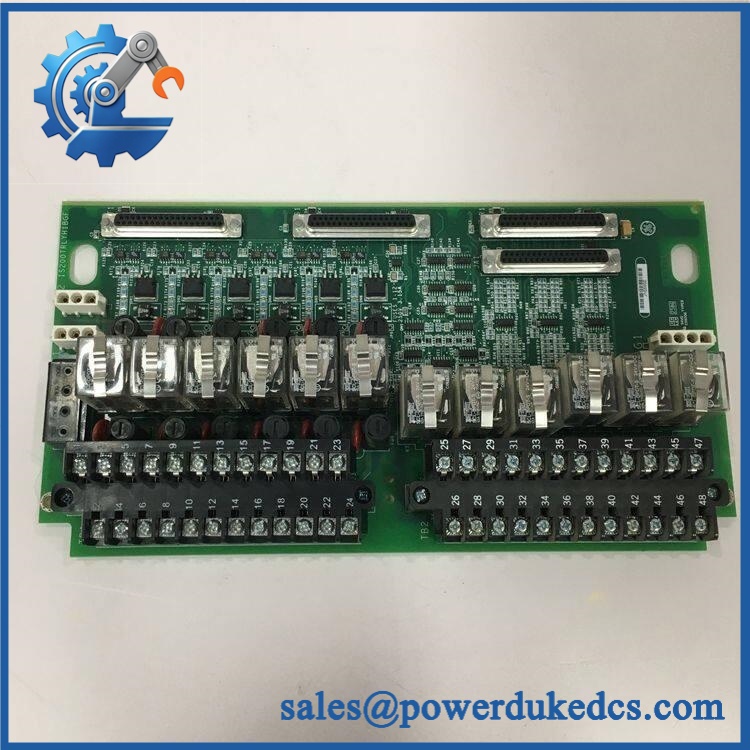
GE IS200TTURH1CFD
🚨 Global Compliance & Industry Certifications
- CE Mark: Do not assume standalone CE conformity for the bare IS200TTURH1CFD PCB. Certification should be established from the applicable GE Mark VIe equipment declaration.
- UL / cUL: No exact standalone UL/cUL certificate was verified for this particular H1CFD assembly from the sources reviewed. Retain documentary evidence before recording a certification claim.
- ATEX / IECEx: No standalone ATEX or IECEx certificate was verified for the bare TTUR board. Hazardous-area compliance depends on the complete certified equipment arrangement, enclosure, wiring, and installation conditions.
- Marine Approvals: GE has marine approvals for defined Mark VIe/VIeS system configurations, but those approvals should not automatically be assigned to this individual PCB without certificate scope confirmation.
- EMC: The board operates in a turbine environment containing high-energy electrical equipment and high-frequency pulse signals. Proper shielding, grounding, and cable routing remain important to signal integrity.
- Functional Safety: TTUR participates in the turbine primary-trip architecture. A board-level replacement should therefore be controlled under the site’s functional-safety and maintenance procedures.
For plant safety, the certification scope is critical. A certified turbine control system does not necessarily mean that every individual replacement PCB is independently certified for every installation condition.
Verify specific lot certifications with OEM.
🚨 Long-Term Storage & Asset Preservation Guide
Keep the in ESD shielding packaging. The conformal coating adds environmental protection, but the terminal blocks, connector pins, and exposed interfaces remain susceptible to contamination and electrostatic damage. Do not stack bare boards with their connectors facing each other.
Keep storage humidity below 60% RH where practical. Avoid condensation cycles and unconditioned storage near turbine machinery. Moisture at terminal connections can produce intermittent pulse-signal faults that may be mistaken for a speed sensor problem.
Preserve the revision identity and terminal configuration. Record , functional revisions C/F, artwork revision D, serial number, and date code together. Photograph both terminal blocks and every installed configuration element before the spare enters controlled inventory.
Inspect the connector assembly before energization after long storage. Check for oxidation, bent pins, damaged retaining screws, contamination, and conformal-coating damage. Do not apply a generic capacitor-reforming interval unless GE documentation for the specific assembly requires it.
Physical Installation Prerequisites
Install the board only within the compatible GE Mark VIe TTUR turbine-terminal architecture and with the approved PTUR/VTUR-related equipment. Current technical references specifically associate the board with PTUR and the TTURH1C family.
Reported supplier dimensions vary considerably, so cabinet engineering should use the actual board and approved mechanical drawing rather than a generic web listing. One supplier reports approximately 150 × 150 × 50 mm, while another publishes a larger product-envelope value.
No verified GE requirement for a universal 50 mm clearance around this board was established. Preserve the original Mark VIe cabinet ventilation arrangement and provide sufficient service space for both terminal blocks, connector mating, cable bend radius, and board removal.
Grounding and shield termination must follow the approved Mark VIe installation design. Keep magnetic-pickup wiring away from high-current switching conductors to reduce induced noise and false pulse detection.
Do not treat the 125 VDC circuit as ordinary low-voltage I/O. Before disconnecting terminal wiring, isolate the applicable turbine control and trip supplies, verify the absence of hazardous voltage using approved equipment, and apply the site’s lockout/tagout process.
Before installation, compare the replacement board’s revision, terminal configuration, connector arrangement, and any configuration components with the removed board. The turbine-speed input architecture is particularly sensitive to incorrect wiring.
Buyer’s FAQ — Logistics & Compliance Focus
Q1. What HS tariff code should be used for ?
Do not assign a definitive global HS code from the model number alone. One current supplier listing reports 85389091, but tariff classification depends on the importing country’s tariff schedule and the customs treatment of a dedicated turbine-control terminal board. Use a precise description such as “GE Mark VIe TTUR Terminal Turbine Board, ” and have the destination-country broker validate the final classification.
Q2. What should be declared as Country of Origin?
A current supplier listing reports USA as the product origin, while shipment origin can vary by warehouse. Do not use shipping location as a substitute for manufacturing COO. Obtain a COO declaration tied to the actual serialized unit or shipment lot and retain it with the commercial invoice.
Q3. Should shipping insurance be based on the 0.4–0.5 kg module weight?
No. That is only the physical mass reported by suppliers. For a turbine primary-trip component, insurance should reflect the declared replacement value and downtime exposure. Record serial number, condition, declared value, package dimensions, gross weight, and pre-shipment photographs before carrier handoff.
Q4. Does a New Original include the latest firmware pre-loaded?
No standalone application firmware should be expected on the TTUR terminal board itself. The board provides physical turbine signal termination and primary-trip interfacing, while the associated I/O pack and control-system software perform the programmable functions. The exact board revision and connected PTUR/VTUR architecture should nevertheless be verified before installation.
Q5. What should receiving inspection retain for audit and asset control?
Record the complete identity, functional revisions C/F, artwork revision D, serial number, physical condition, connector and terminal condition, COO evidence, applicable certification documents, actual gross/net weight, and photographs. For a turbine protection spare, retain the terminal wiring record and associated I/O-pack configuration with the serialized asset.



 Start Chat