

Description
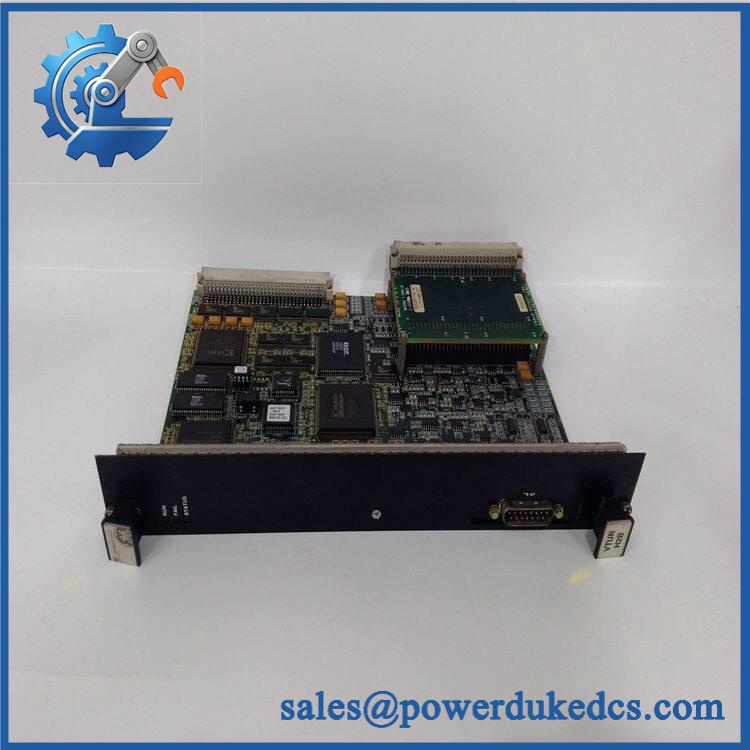
- Model & Brand: GE IS200VTURH2BAC
- Series: GE Mark VI Speedtronic
- Part Type: VTUR VME Turbine Control / Protection Board
- Functional Role: Primary turbine protection interface for speed, flame detection, synchronization, and trip circuitry
- Speed Inputs: 4 passive magnetic pickup channels
- Trip Capacity: H2B architecture supports up to 6 trip-solenoid channels through two TRPG boards
- Flame Detection: Up to 8 Geiger-Mueller flame detector channels at the system level
- Nominal Board Supply: 125 VDC system configuration
- Operating Temperature: Approximately 0–60°C
- Approx. Shipping Dimensions: 2 × 18.6 × 26.1 cm according to current supplier data
- Estimated Net Weight: Approx. 0.3–0.4 kg, supplier dependent
- Estimated Shipping Weight: Approx. 0.7–1.0 kg packed
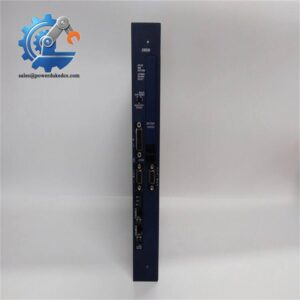
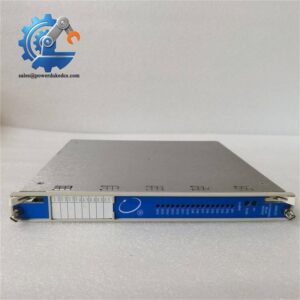
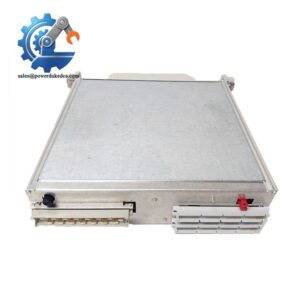
- Board Format: Double-width VME turbine card
- Status LEDs: RUN, FAIL, STATUS
- What’s in the Box: IS200VTURH2BAC board, ESD shielding, rigid cushioning, identification materials; cables and terminal hardware only when expressly included
- Host Architecture: Mark VI VME control rack
- Handling: ESD-controlled storage and controlled power-off installation
Current technical records identify IS200VTURH2BAC as the H2B VTUR turbine-control/protection board, with four passive speed inputs, six analog voltage inputs in supplier specifications, and Mark VI VPRO/VTUR protection functions.
Product Introduction
The VTUR sits directly in the Mark VI turbine protection signal path, where speed and trip information must reach the controller without introducing unnecessary processing delay. The IS200VTURH2BAC is the H2B version of the VTUR VME turbine card. It interfaces four passive magnetic pickup speed signals, turbine protection inputs, flame-detection circuits, synchronization-related measurements, and trip-output circuitry. In the H2B arrangement, two TRPG terminal boards can be supported, allowing up to six emergency trip solenoid circuits.
For plant asset management, the H2B suffix is important. This is not simply a generic VTUR replacement. The H2B architecture uses additional VME/rack interface capacity compared with H1B and is associated with the higher trip-output arrangement. Current technical records also report an operating range around 0–60°C and a 125 VDC configuration for this part number. (Verify the physical nameplate and cabinet drawing before replacing a board whose suffix has been shortened to “VTURH2B.”)
Core Technical Specifications
| Parameter | Value |
|---|---|
| Manufacturer | General Electric |
| Full Part Number | IS200VTURH2BAC |
| Functional Part Number | IS200VTURH2B |
| Series | Mark VI Speedtronic |
| Functional Acronym | VTUR |
| Product Type | VME Turbine Control / Protection Board |
| Architecture | Mark VI VME |
| Hardware Group | H2B |
| Board Revision | C, according to current supplier records |
| Speed Inputs | 4 passive magnetic pickup channels |
| MPU Frequency Range | 2 Hz–20 kHz |
| Trip Output Architecture | Up to 6 channels through 2 TRPG boards |
| Flame Detector Capacity | Up to 8 Geiger-Mueller channels |
| Analog Voltage Inputs | 6 reported by current supplier records |
| Supply Configuration | 125 VDC system configuration |
| Analog Input Common Mode | Approximately ±5 V |
| Control Function | Primary overspeed, shaft monitoring, flame detection, synchronization |
| Fast Trip | Hardware-based fast-trip circuitry |
| Synchronization | Generator/bus voltage and phase measurement |
| Protection Voting | TMR architecture at system level |
| Front LEDs | RUN, FAIL, STATUS |
| VME Interface | Mark VI rack |
| PCB Coating | Conformal-coated variant reported |
| Operating Temperature | Approx. 0–60°C |
| Approx. Board Size | Verify against GE mechanical drawing |
| Estimated Net Weight | Approx. 0.3–0.4 kg |
| Firmware | System-level firmware/configuration dependent |
GE Mark VI documentation describes the VTUR function as part of the primary turbine-protection architecture. Current records further identify the H2B variant as a double-width VME card with four passive MPU speed inputs and support for two TRPG interfaces.
GE IS200VTURH2BAC
🚨 Global Compliance & Industry Certifications
Certification should be documented against the complete Mark VI turbine-control/protection installation and exact board configuration.
- CE Mark: May apply to the complete Mark VI equipment assembly. Do not claim independent CE conformity for IS200VTURH2BAC without revision-specific GE documentation.
- UL/cUL: Do not claim independent UL/cUL listing for the bare VTUR PCB without supporting GE certification.
- ATEX / IECEx: Do not assume hazardous-area approval from the VTUR part number alone. GE has certified Mark VI/Mark VIe configurations for hazardous environments, but applicability depends on the complete system, enclosure, I/O pack, wiring, and installation method.
- Class I, Division 2 / Zone 2: Installation-specific; verify the exact certified configuration.
- Marine Approvals: No independent DNV, ABS, or Lloyd’s Register approval was established for this exact board from the reviewed records.
- EMC: The VTUR interfaces with high-speed MPU signals, flame-detector circuits, voltage transformers, and trip circuitry. EMC compliance should therefore be assessed at system level.
Why this matters: VTUR participates in primary turbine protection. A hardware mismatch can affect overspeed detection, trip relay operation, or synchronization measurements while still allowing the board to appear electrically healthy.
Verify specific lot certifications with OEM.
🚨 Long-Term Storage & Asset Preservation Guide
Keep inside an ESD shielding bag. The board contains active processor logic, connectors, input-conditioning circuits, and power components. Protect the VME edge connector and front-panel interfaces from impact.
Control humidity below 60% RH where practical. Avoid condensation and repeated thermal cycling. Oxidized VME contacts can create intermittent speed or protection faults that are difficult to reproduce in a maintenance shop.
Preserve the firmware and hardware revision record. This is an active protection board, not a passive terminal assembly. Record the complete designation, visible revision information, firmware identification where accessible, and the controller-rack position. The H2B architecture should not be mixed in warehouse records with H1B boards simply because both are labeled VTUR.
Before energized testing after extended storage, allow the sealed package to reach room temperature. Inspect the VME contacts, front connectors, LEDs, solder joints, capacitors, and board coating before installation.
Physical Installation Prerequisites
- Host System: Install only in the approved GE Mark VI VME rack.
- Board Width: H2B is a double-width VME card; verify two adjacent rack positions are available before maintenance.
- Power Isolation: Use the approved turbine shutdown, electrical isolation, and lockout/tagout process before removing the board.
- TRPG Interface: Confirm whether the installation uses one or two TRPG terminal boards and match the J3/J4/J4A interface arrangement accordingly.
- Speed Inputs: Label all four passive MPU circuits before disconnecting them.
- Signal Wiring: Preserve the original routing and shielding of speed, flame-detection, and synchronization circuits.
- Connector Inspection: Check VME and front-panel connectors for bent pins, contamination, or incomplete seating.
- Grounding: Preserve the Mark VI cabinet protective-earth and signal-reference arrangement.
- Clearance: Leave enough service access for the double-width card and its connected field cables; follow the actual GE cabinet drawing rather than applying an arbitrary clearance number.
- Cooling: Maintain the cabinet’s designed airflow around the VME rack.
- ESD: Use a grounded wrist strap and ESD-safe work surface.
- Final Testing: Verify speed inputs, flame-detection status, trip relay feedback, and synchronization signals before returning the turbine to operation.
Buyer’s FAQ
Q1. What HS Tariff Code should be used for ?
Do not assign a final HS classification from “turbine control board” alone. This is a specialized industrial protection/control PCB, and classification varies by jurisdiction. Have the customs broker review the technical function, invoice wording, and destination tariff schedule before export.
Q2. What Country of Origin documentation should accompany the shipment?
Use the actual manufacturing origin supported by supplier or manufacturer records. A warehouse or shipping location is not proof of COO. Retain the commercial invoice, packing list, COO statement or certificate where applicable, exact part-number photograph, revision information, and serial/lot records.
Do not assume live replacement is permitted. The board interfaces with turbine speed pickups, flame detection, synchronization signals, and emergency-trip circuitry. Treat it as a controlled power-off maintenance item unless the exact GE procedure for the installed Mark VI configuration expressly authorizes live removal.
Q4. Does a New Original include the latest firmware pre-loaded?
Do not assume that it does. The VTUR is an active turbine-control/protection board, and system-level firmware/configuration matters. Current technical records identify the H2B board as supporting protection processing and multiple field interfaces.Before PO release, request the hardware revision and any available firmware identification.
Q5. What warranty and shipping controls should be required?
The quotation should specify , hardware revision, condition, serial or lot information where available, warranty duration, return procedure, and pre-shipment test scope. For this protection board, require evidence of controlled power-up, MPU input simulation, diagnostic verification, and representative trip-interface testing. Use ESD shielding, rigid connector protection, moisture control, and shipping insurance based on the documented replacement value.


 Start Chat