

Description
- Brand: GE Multilin
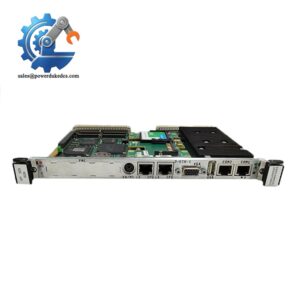
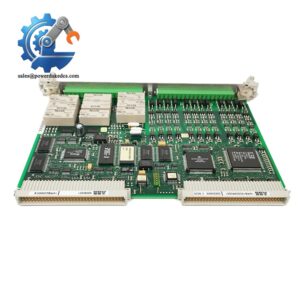
- Full Model Number: UR9EH
- Lifecycle Status: Legacy / Obsolescence-risk spare
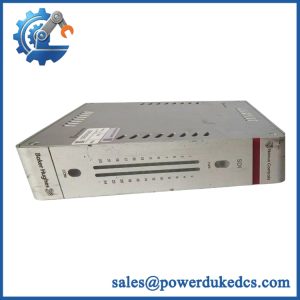
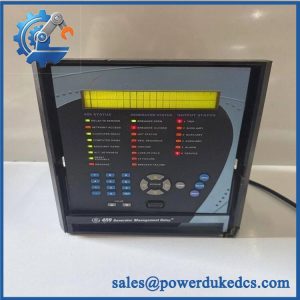
- Core Function: CPU module for GE Multilin UR Series Universal Relays
- Top 3 Technical Specs: UR Series modular architecture | Protection and control processing | Relay communications and programmable functions
- Stock & Condition: Stock status to be confirmed at quotation | New Surplus or Tested Refurbished subject to lot availability | Emergency dispatch subject to order cutoff
Module 3: Obsolescence & Supply Chain Deep Dive
Sourcing a replacement CPU for an installed GE Multilin UR relay can become a maintenance problem when the original hardware is no longer routinely supplied. The UR9EH is identified in the secondary industrial market as a CPU module for the UR Series Universal Relays, a family built around a common modular hardware architecture. For plants supporting older protection assets, securing the correct spare before a CPU failure can prevent an extended relay outage and the engineering effort associated with an emergency system replacement.
The economic case is usually based on avoided downtime rather than component price alone. Keeping a compatible UR9EH available can preserve the existing relay chassis, wiring, settings, protection logic, and commissioning documentation instead of forcing a wider migration. GE documentation confirms that UR products use modular construction with expandable I/O, communications, monitoring, and programmable functions. (For factory-new legacy hardware, lead times may be substantially longer than available surplus stock.) The key TCO question is therefore simple: compare the cost of the spare CPU plus verification and commissioning against relay replacement, engineering redesign, testing, outage exposure, and possible control-system modifications.
Module 4: Compatibility & Replacement Matrix
| Purchase Review Item | Engineering Guidance |
|---|---|
| Replacement Classification | Drop-in Replacement — conditional |
| Use Case | Replace an installed UR9EH within a compatible GE Multilin UR Series relay configuration |
| Hardware Modification | Normally not required when the replacement matches the approved hardware configuration |
| Software / Firmware | Compatibility verification required before installation |
| Typical Switch Time | ~2–6 labor hours for removal, installation, configuration verification, and functional checks |
| Typical Engineering Cost | Approximately 300–1,200 excluding outage costs, field travel, and relay-specific testing |
| Recommended Migration Path | Record existing firmware, settings, module arrangement, communications configuration, and front-panel status before removal |
GE’s UR family uses a common modular platform, but that does not mean every UR CPU configuration can be exchanged without verification. GE documentation also shows that UR communications capabilities vary with product configuration and firmware generation.
Field Traps — Watch Out
- Firmware mismatch: Record the installed relay firmware before issuing the PO. A replacement CPU should be checked against the existing firmware and configuration requirements; do not assume identical behavior solely from the UR9EH model designation.
- Configuration retention: Back up protection settings, logic, communication parameters, and module configuration before removing the existing CPU. RS232/RS485 serial communications and Ethernet-based protocols are supported across the UR family, but the exact interface and enabled functions depend on the relay configuration.
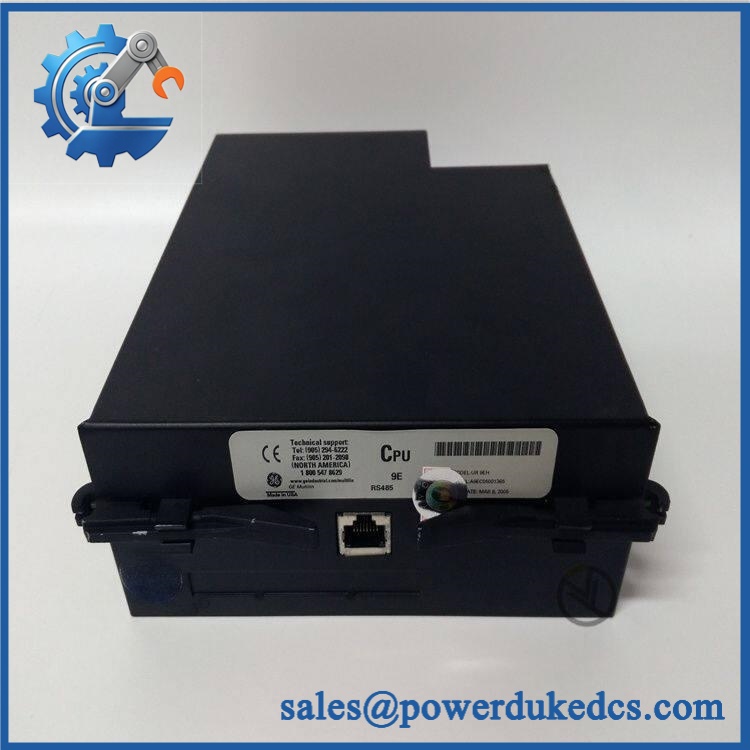
GE UR9EH
Module 5: Quality Assurance & Testing SOP
Every UR9EH supplied from controlled inventory should pass a documented inspection sequence before shipment:
- Identity verification: Match model marking, serial information, labels, connector layout, and ordering information against the purchase specification.
- OEM anti-counterfeit visual inspection: Examine label quality, housing condition, connector integrity, board construction, markings, and evidence of unauthorized rework.
- Physical inspection: Check the PCB, terminals, retaining hardware, connectors, and enclosure for corrosion, cracks, contamination, bent contacts, or impact damage.
- Power-on self-test (POST): Apply the appropriate test power and verify startup behavior, display status where applicable, and ERR/RUN LED indications against the applicable UR documentation.
- CPU functional verification: Confirm processor startup, local interface response, configuration access, and diagnostic status.
- Communication test: Verify supported serial or Ethernet communication paths against the specific relay test configuration.
- I/O load testing: Exercise applicable relay I/O under controlled test conditions and verify expected state changes and response.
- Configuration review: Record firmware revision and preserve configuration data where the test setup permits.
- Extended run check: Operate the unit under controlled conditions to identify intermittent faults, abnormal temperature rise, or communication instability.
- Final QC: Record test results, serial number, condition grade, packaging inspection, and QC approval before dispatch.
Module 6: Procurement & Lifecycle FAQ
Is the GE genuinely in stock, and what is the cutoff for emergency shipping?
Availability should be confirmed against the physical inventory before the PO is released. Emergency dispatch depends on stock location, payment clearance, and the carrier pickup schedule. A same-day cutoff should be stated on the quotation rather than assumed.
How do you verify the condition and authenticity of an obsolete or surplus ?
The unit should undergo identity checks, visual inspection, connector and PCB examination, power-up diagnostics, communications verification, and applicable functional testing. Serial information and test records should be retained with the shipment documentation.
Could firmware compatibility create a problem after installation?
Yes. Firmware and hardware revision compatibility should be reviewed before installation. GE’s UR documentation shows that functionality and communications capabilities vary across firmware generations, so the existing relay revision should be documented before the replacement CPU is selected.
Does replacing the require rewiring or a full relay replacement?
For a correctly matched configuration, the expected approach is module-level replacement rather than a complete relay migration. Final approval should still be based on the exact relay model, hardware configuration, firmware revision, and application settings.
What warranty and return terms should procurement require?
The quotation should define the condition grade, serial traceability, pre-shipment test scope, warranty duration, DOA procedure, and return authorization requirements. For obsolete control hardware, these terms are more useful than a generic product description because they establish exactly what was inspected and what is covered.


 Start Chat