

Description
- Brand: GE / VMIC
- Full Model Number: VMIVME-7697-160
- System/Series Family: VMIVME-7697 VMEbus Single Board Computer
- Core Function: 6U VMEbus embedded single-board computer for industrial control, instrumentation, data acquisition, and process applications
- Top 3 Hardcore Specs: Intel Pentium III MMX 500 MHz; 256 MB SDRAM; VME64 A32/A24 and D32/D16/D08 support
- VMEbus Form Factor: 6U double-height VME
- Ethernet: 10/100 Mbps Fast Ethernet
- Serial: 2 × 16550-compatible serial ports
- Flash: No flash memory for the -160 configuration
- Stock Status: New Surplus / Factory-Sealed or Fully Tested Refurbished subject to actual inventory condition
The VMIVME-7697-160 is documented as a VMIC/GE VMEbus single-board computer configuration with a 500 MHz Pentium III MMX processor, 256 MB RAM, and no flash memory. The corresponding part references include 350-007697-160 and 332-000396-000.
Module 3: Technical Product Introduction
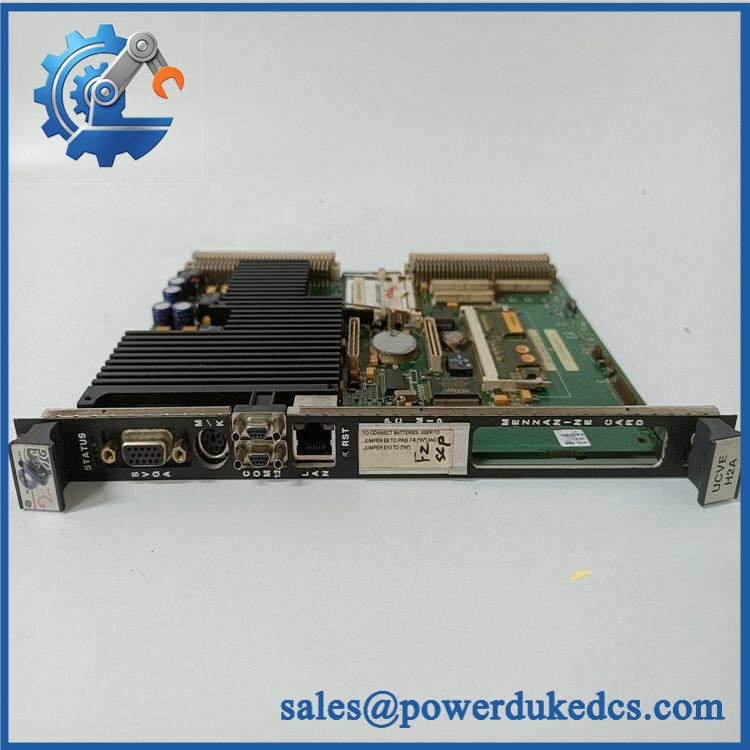
A failed VME CPU board can stop an embedded control system even when the I/O hardware and backplane remain operational. The GE/VMIC VMIVME-7697-160 is a 6U VMEbus single-board computer built around an Intel Pentium III MMX 500 MHz processor with 256 MB SDRAM in this specific configuration. The board provides the VMEbus interface required for embedded control and data-processing applications, together with front-panel Ethernet, serial, USB, video, and other PC-compatible interfaces.
The configuration suffix matters. The -160 version has no flash memory, unlike other VMIVME-7697 ordering configurations that were available with different flash capacities. The platform supports VME64 operating modes including A32/A24, D32/D16/D08, BLT32, and MBLT64, with VMEbus system-controller, interrupt-handler, and interrupter capabilities. It also provides battery-backed SRAM, programmable timers, and a software-selectable watchdog timer.
Module 4: Application Scenarios & Field Realities
- In legacy VME-based industrial control cabinets, the VMIVME-7697-160 can serve as the embedded processor coordinating VMEbus peripherals. If the board fails to boot, check the VME backplane, power rails, memory seating, and battery-backed resources before assuming the CPU itself has failed.
- For automated test and data-acquisition equipment, the combination of VMEbus access and PC-compatible interfaces allows the processor to communicate with measurement and control hardware installed elsewhere in the chassis. The board’s VME64 support includes A32/A24 addressing and multiple data-transfer modes.
- Where remote network access is required, the platform includes a Fast Ethernet controller supporting 10BaseT and 100BaseTX operation. Network availability should still be checked independently of the CPU’s VMEbus operation; a healthy backplane does not guarantee Ethernet communication.
- For real-time embedded applications, the programmable watchdog and battery-backed SRAM are useful maintenance considerations. The original VMIVME-7697 documentation identifies 128 KB battery-backed SRAM and programmable timers/watchdog functions as embedded-system features.
GE VMIVME-7697-160
Module 5: Migration, Compatibility & Installation Traps
Replacement Matrix
| Replacement Case | Classification | Engineering Requirement |
|---|---|---|
| VMIVME-7697-160 → identical VMIVME-7697-160 | Drop-in Replacement | Verify processor, RAM, flash configuration, board revision, and software environment |
| Another VMIVME-7697 configuration with documented system compatibility | Software Compatible | Recheck memory, flash, processor speed, boot configuration, and operating system |
| VMIVME-7697A or newer VME SBC substituted | Hardware Modification Required | Validate VMEbus, software, I/O, mechanical, and boot compatibility |
| Different VME CPU family | Hardware Modification Required | Full system-level migration required |
Field Traps — Watch Out
1. The “-160” suffix is not cosmetic.
The documented VMIVME-7697-160 configuration uses a 500 MHz Pentium III MMX, 256 MB SDRAM, and no flash memory. Other -7697 configurations can have different processors, memory sizes, and flash options. Do not replace the board based solely on the VMIVME-7697 base number.
2. Check the boot-storage architecture before replacement.
Because the -160 configuration is listed without flash memory, the installed system may depend on another storage interface or external boot arrangement. The original VMIVME-7697 platform supports secondary IDE/flash-disk configurations, while VMEbus P2 can also be used for certain storage interfaces.
Installation note: The VMIVME-7697 is a 6U VMEbus board. Confirm that the chassis and backplane provide the required P1/P2 VME connections and adequate forced-air cooling before installation. Do not insert or remove the board under power unless the specific chassis and system documentation explicitly supports that procedure.
GE VMIVME-7697-160
Module 6: Quality Assurance SOP
For the GE/VMIC VMIVME-7697-160, QA should verify the exact configuration rather than testing only the generic VMIVME-7697 platform.
- Part-number verification: Confirm VMIVME-7697-160, with cross-reference to 350-007697-160 / 332-000396-000 where present.
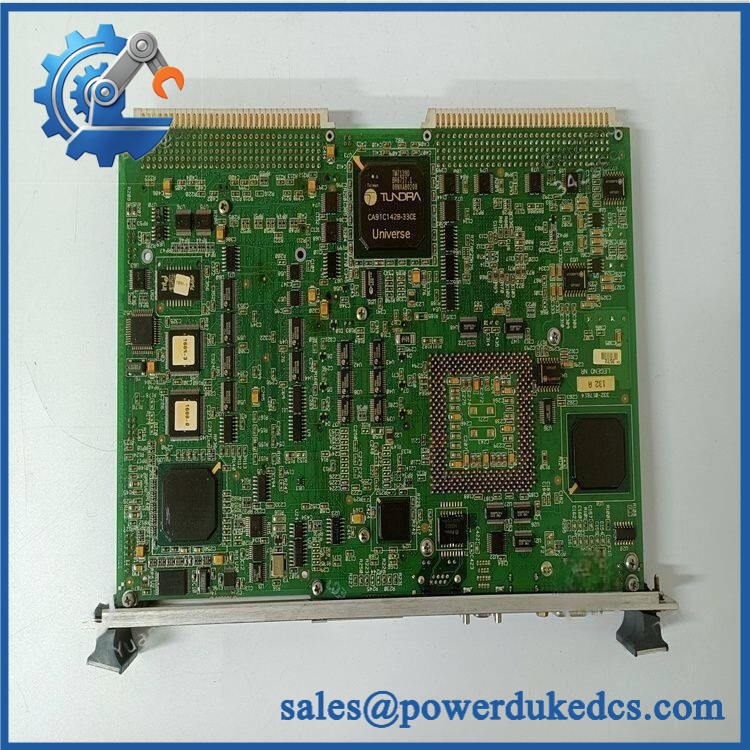
- OEM anti-counterfeit visual inspection: Examine VMIC/GE identification, PCB markings, serial information, processor markings, connectors, and board revision.
- Configuration verification: Confirm the 500 MHz Pentium III MMX / 256 MB RAM / no-flash configuration against the unit being supplied.
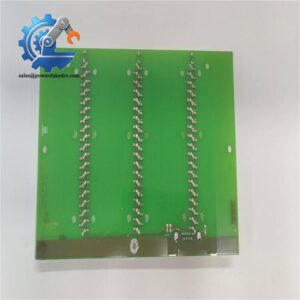
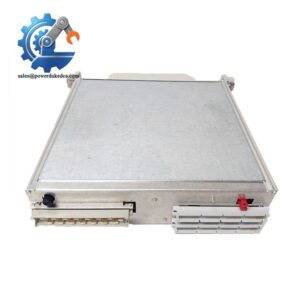
- Mechanical inspection: Check the 6U PCB, VME P1/P2 connectors, front-panel interfaces, mounting points, ejector hardware, and board edges.
- Power-rail verification: Apply the documented VMEbus supply through an approved test chassis and verify the required rails before extended operation.
- Power-on self-test (POST): Boot the board and verify processor initialization, memory detection, BIOS/firmware startup, and available diagnostic indications.
- Memory verification: Run a controlled RAM test against the installed 256 MB configuration.
- VMEbus verification: Install the board in a compatible VME chassis and verify A32/A24 addressing and supported VME data-transfer operations.
- Ethernet verification: Test the Fast Ethernet interface at the supported 10/100 Mbps levels using a controlled network connection.
- Serial-interface verification: Exercise both 16550-compatible serial ports with an appropriate loopback or test instrument.
- USB/video verification: Check the available front-panel USB and SVGA interfaces where required by the customer’s application.
- Watchdog verification: Confirm watchdog operation in a controlled test environment without allowing an unintended reset to affect production equipment.
- Battery-backed SRAM verification: Where test equipment permits, verify SRAM accessibility and retention behavior without compromising stored application data.
- Communication handshake verification: Confirm successful VMEbus and applicable network communication with the test system.
- Final inspection: Recheck connectors, ejector handles, labels, board surfaces, and packaging after testing.
- Traceability: Record the exact model, serial number, processor configuration, RAM capacity, flash configuration, revision, test results, inspection date, and condition classification.
Procurement note: The strongest identification for this board is the complete VMIVME-7697-160 designation. The suffix distinguishes this configuration from other VMIVME-7697 variants, so a purchase request should include the full model number and, where available, the board’s secondary part number.



 Start Chat