

Description
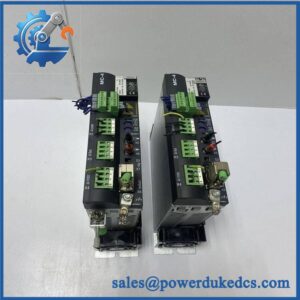
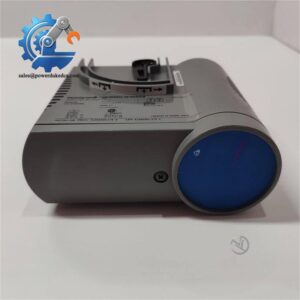
- HONEYWELL CW4500 | Factory Tested Automation Power Module
At-A-Glance Executive Brief
- Model: CW4500
- Brand: HONEYWELL
- Series: Honeywell Industrial Control Power Hardware
- Part Type: Three-Phase Power Module
- Core Function: Converts incoming three-phase AC power into controlled DC power for industrial automation equipment and associated control hardware.
- Key Specs:
- Three-phase 208/220 VAC input.
- IGBT-based power conversion architecture.
- Designed for industrial control and automation power applications.
- Associated with Honeywell CalCoil power hardware reference 6560010028.
Product Introduction
Structure B — Technical Direct
Installed within Honeywell industrial equipment power assemblies, the CW4500 operates as a three-phase power module responsible for AC-to-DC power conversion. The unit uses IGBT-based switching technology and is integrated into systems requiring controlled electrical power delivery for automation hardware.
In field deployments, power modules such as the CW4500 are typically installed inside protected electrical cabinets where heat dissipation, incoming voltage quality, and cooling airflow directly affect service life (—especially in continuous-duty industrial environments). Before replacement, confirm input voltage, cabinet wiring, cooling conditions, and downstream load requirements. A visually identical power assembly may not match the original electrical configuration.
Core Technical Specifications
| Parameter | Value |
|---|---|
| Manufacturer | Honeywell |
| Model | CW4500 |
| Product Type | Three-Phase Power Module |
| Application | Industrial automation power conversion |
| Input Voltage | 208/220 VAC |
| Input Phase | Three-phase |
| Power Technology | IGBT switching architecture |
| Output Type | Controlled DC power output |
| Associated Reference | CalCoil 6560010028 |
| Installation Type | Electrical cabinet mounting |
| Cooling Method | Forced-air / cabinet cooling dependent |
| Control System Use | Honeywell industrial automation equipment |
| Protection Features | Application dependent |
| Communication Interface | None (power hardware) |
| Firmware | Not applicable |
| Approximate Weight | Estimated 3–5 kg |
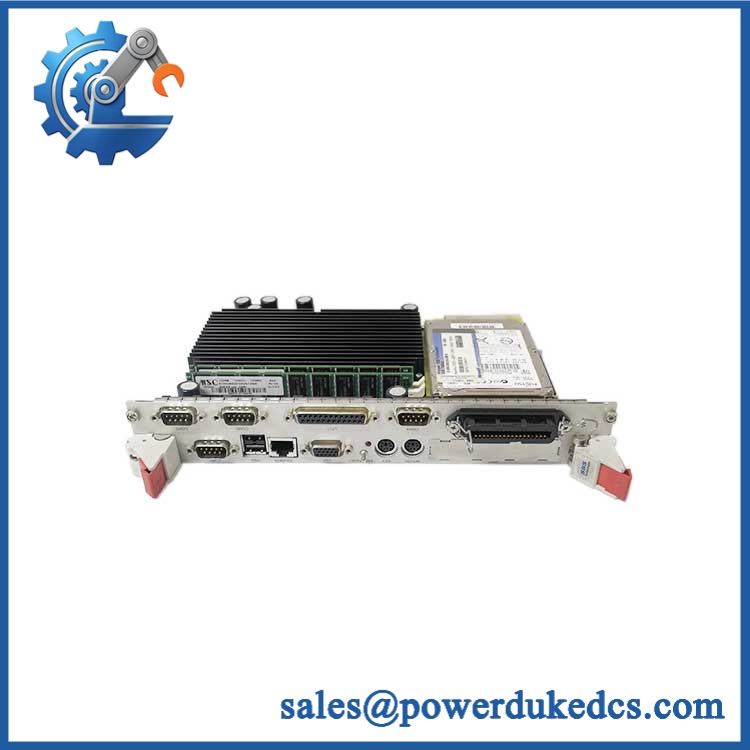
HONEYWELL CW4500
Application Scenarios & Pain Points
Micro-case study approach:
A manufacturing facility experiences repeated equipment shutdowns caused by unstable DC power delivery. Initial troubleshooting shows the controller hardware remains operational, but the power conversion stage is overheating and intermittently dropping output voltage. Inspection identifies the CW4500 power module as the failed component.
- Industrial Automation Cabinets: Supplies controlled power for automation equipment requiring stable DC operation.
- Process Control Systems: Supports legacy Honeywell control installations where original power hardware remains in service.
- Manufacturing Equipment: Used in machines requiring regulated power conversion for control electronics.
- Motor Control Applications: IGBT-based power modules may support equipment power sections depending on system design.
- Legacy System Maintenance: Provides replacement capability when installed Honeywell hardware remains operational.
For cabinets operating above 50°C internal temperature, inspect cooling fans, filters, and thermal transfer surfaces. Power semiconductor failures often begin as heat-related intermittent faults.
Common Error Codes & Diagnostic Symptoms
Symptom/Code: DC Output Voltage Low or Missing
→ Diagnosis: Failed IGBT switching components, damaged power conversion circuitry, or upstream input problems may prevent normal DC output.
→ Action: Verify incoming three-phase supply and replace the if internal power stage failure is confirmed.
Symptom/Code: Repeated Overtemperature Shutdown
→ Diagnosis: Blocked airflow, degraded cooling components, or internal semiconductor stress may trigger thermal protection.
→ Action: Check cabinet cooling conditions and replace the module if thermal faults continue.
Symptom/Code: Input Power Present but Equipment Remains Offline
→ Diagnosis: Internal converter failure may prevent downstream control equipment from receiving required power.
→ Action: Test output rails and replace the power module if output remains abnormal.
Cross-Reference & Lifecycle Migration
- Related Identification:
- HONEYWELL
- CalCoil reference: 6560010028
- Replacement Considerations:
- Verify three-phase input voltage before installation.
- Confirm cabinet mounting arrangement.
- Compare connector and terminal configuration.
- Check downstream load requirements.
- Firmware Requirement:
None. The is a power conversion assembly and does not contain programmable application firmware. - Lifecycle Status: Discontinued / Legacy Support
For spare inventory management, retain electrical test records and installation history. Power modules age through thermal cycling even when stored unused.
Field Engineer’s Tech Notes (Anti-Pitfall Guide)
- Do not replace the module without checking the incoming power quality.
Phase imbalance, voltage spikes, or incorrect supply wiring can damage a replacement unit quickly. - Allow sufficient discharge time before handling terminals.
Power conversion assemblies may retain hazardous DC voltage after input power removal. Verify safe voltage levels before service.
Strict QA & Testing SOP
A professional inspection process for HONEYWELL should include:
Step 1 — Incoming Inspection
- Verify model marking: .
- Inspect enclosure, terminals, and power connectors.
- Check for oxidation, cracks, or impact damage.
- Record serial and revision information.
Step 2 — Electrical Verification
- Apply controlled three-phase input power.
- Measure DC output response.
- Check startup behavior.
- Verify current consumption.
Step 3 — Load Testing
- Connect a suitable test load.
- Monitor output stability.
- Check thermal performance.
- Verify protection behavior.
Step 4 — Component Inspection
- Inspect IGBT power section.
- Check cooling interfaces.
- Verify terminal integrity.
Step 5 — Packaging Control
- Use protective electrical packaging.
- Secure heavy components against shock.
- Include inspection documentation.
Test records, inspection photos, and functional verification reports are available for quality review.
Buyer’s FAQ (Dynamic Q&A)
Q1. Can the Honeywell be hot-swapped?
A: No. Power modules require complete electrical isolation before removal. Verify stored energy has discharged before handling internal connections.
Q2. “How do I confirm this is a genuine ?”
A: Check the Honeywell identification label, model number, terminal layout, electrical ratings, and supplier inspection records.
Q3. Does the require firmware installation?
A: No. This unit is a hardware power module and does not contain user-configurable firmware.
Q4. What warranty information should be requested?
A: Request written warranty terms, electrical test results, condition classification, and traceability documentation. Legacy power assemblies should be verified under load before installation into operating equipment.



 Start Chat