

Description
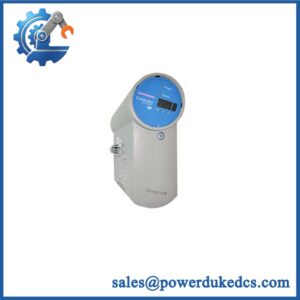
- HONEYWELL UVZ780 | Factory Tested Flame Monitoring Device
At-A-Glance Executive Brief
- Model: UVZ780
- Brand: HONEYWELL
- Series: Honeywell Flame Monitoring / Burner Safety Equipment
- Part Type: Ultraviolet Flame Detector
- Core Function: Detects ultraviolet radiation from burner flames and provides flame presence feedback to combustion safety control systems.
- Key Specs:
- UV flame sensing technology.
- Designed for industrial burner and furnace applications.
- Used with Honeywell burner management and flame safeguard systems.
- Fast flame response for safety shutdown applications.
- Suitable for continuous flame monitoring environments.
- Requires correct mounting position and optical alignment.
Product Introduction
Structure A — Pain-point Hook
A flame detector failure can create an immediate production interruption when a burner management system cannot verify flame presence. In combustion equipment, a false flame signal or missed flame detection can trigger unnecessary shutdowns or prevent safe burner ignition.
The HONEYWELL UVZ780 is an ultraviolet flame detector designed to monitor burner flames by sensing UV radiation generated during combustion. The detector provides flame status information to compatible Honeywell flame safeguard controllers and burner management systems (—where accurate flame verification is required before fuel operation continues). Proper installation depends on sight-line alignment, burner geometry, ambient conditions, and compatibility with the control system.
Core Technical Specifications
| Parameter | Value |
|---|---|
| Manufacturer | Honeywell |
| Model | UVZ780 |
| Product Type | UV Flame Detector |
| Detection Method | Ultraviolet radiation sensing |
| Application | Industrial burner flame monitoring |
| Compatible Systems | Honeywell flame safeguard systems (application dependent) |
| Output Signal | Flame presence feedback (system dependent) |
| Operating Principle | UV sensor tube detection |
| Response Time | Application dependent |
| Mounting | Burner front / flame viewing position |
| Housing | Industrial enclosure |
| Power Supply | Controller supplied (system dependent) |
| Operating Temperature | Application dependent |
| Installation Environment | Combustion equipment / burner systems |
| Firmware | Not applicable |
| Approximate Weight | 1–2 kg (estimated) |
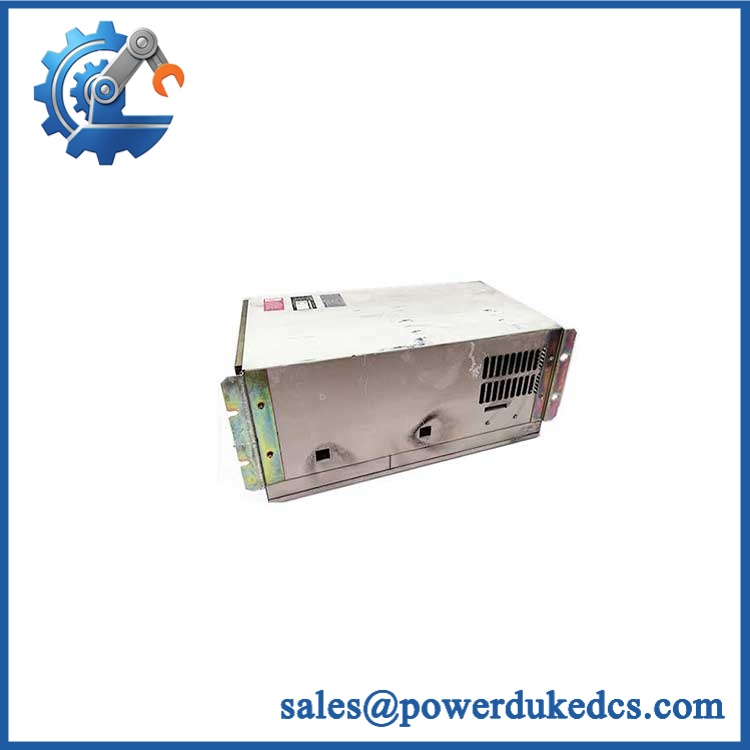
HONEYWELL UVZ780
Application Scenarios & Pain Points
Bold technical conclusion:
A flame detector is a safety device, not just a monitoring instrument. Incorrect detection can affect burner availability, fuel safety sequences, and combustion system operation.
- Boiler Systems: Provides flame verification for industrial steam and heating boilers.
- Refineries: Supports burner management systems on process heaters.
- Power Generation: Used in combustion equipment requiring reliable flame supervision.
- Chemical Plants: Monitors fired heaters and thermal processing equipment.
- Industrial Furnaces: Provides flame confirmation during heating operations.
For burner cabinets installed near high-temperature zones exceeding 50°C ambient conditions, verify detector cooling, purge air systems, and optical lens cleanliness. Heat, soot, and vibration can reduce detection reliability.
Common Error Codes & Diagnostic Symptoms
Symptom/Code: Flame Failure Alarm During Normal Combustion
→ Diagnosis: Dirty UV sensing window, incorrect detector alignment, weak UV signal, or aging sensor element may prevent flame recognition.
→ Action: Clean optical path, verify alignment, and replace UVZ780 if sensor response remains abnormal.
Symptom/Code: False Flame Signal Before Ignition
→ Diagnosis: External UV sources, electrical interference, or incorrect detector positioning may create false detection.
→ Action: Check installation conditions and replace the detector if internal sensing circuitry fails.
Symptom/Code: Intermittent Flame Signal Dropout
→ Diagnosis: Vibration damage, loose wiring, contaminated lens, or declining sensor performance may cause unstable readings.
→ Action: Inspect mounting and wiring, then replace the UVZ780 if required.
Cross-Reference & Lifecycle Migration
- Compatible Application: Honeywell burner management and flame safeguard systems.
- Replacement Considerations:
- Verify flame type compatibility (gas, oil, or dual fuel).
- Confirm controller compatibility.
- Match mounting arrangement and viewing angle.
- Verify electrical connection requirements.
- Firmware Requirement:
None. The is a flame sensing hardware device. - Lifecycle Status: Legacy / Installed Base Support
For spare inventory planning, protect the optical sensing surface from dust and contamination. Store detectors in dry packaging and maintain identification records for installed burner applications.
Field Engineer’s Tech Notes (Anti-Pitfall Guide)
- Do not replace a flame detector before checking the sight path.
A dirty viewing tube, incorrect burner alignment, or excessive smoke can produce the same symptoms as a failed detector. - Avoid touching the UV sensing window with bare hands.
Oil residue can reduce optical sensitivity. Keep the sensing surface clean during installation.
Strict QA & Testing SOP
A professional inspection process for HONEYWELL should include:
Step 1 — Incoming Inspection
- Verify model identification.
- Inspect housing and mounting threads.
- Check sensing window condition.
- Record serial information.
Step 2 — Electrical Verification
- Confirm connector integrity.
- Verify power and signal interface requirements.
- Check insulation condition.
Step 3 — Functional Testing
- Install on a compatible flame test system.
- Apply controlled UV flame source.
- Verify flame recognition response.
- Confirm signal stability.
Step 4 — Mechanical Inspection
- Check mounting alignment.
- Inspect cable entry points.
- Verify enclosure condition.
Step 5 — Packaging Control
- Protect optical surfaces.
- Use clean protective packaging.
- Prevent impact damage during transport.
Inspection photographs, functional test records, and verification reports are available for quality review.
Buyer’s FAQ (Dynamic Q&A)
Q1. Can the Honeywell be hot-swapped?
A: No. Flame detectors are part of burner safety systems and should be replaced only following approved burner shutdown and isolation procedures.
Q2. “How do I verify this is a genuine ?”
A: Check the Honeywell identification label, model marking, housing condition, connector style, and supplier inspection documentation.
Q3. Does the require firmware loading?
A: No. The is a sensing device and does not contain user-programmable firmware.
Q4. What warranty information should be requested?
A: Request functional test records, optical inspection results, serial traceability, and warranty terms. Flame monitoring devices should be verified before installation into critical combustion systems.




 Start Chat