

Description
- Motorola MVME5110-2261 | OEM Legacy Automation Spare
2. Unboxing & Physical Snapshot
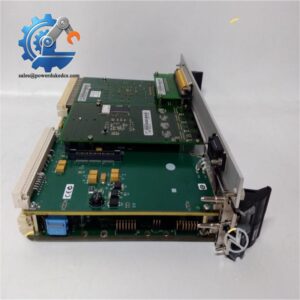
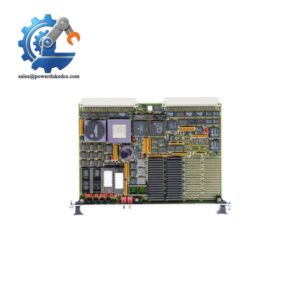
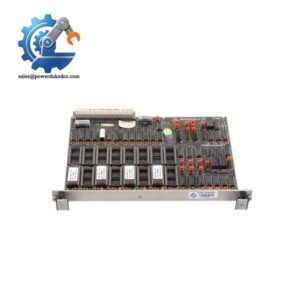
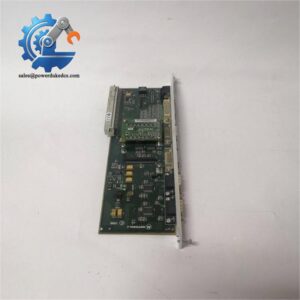
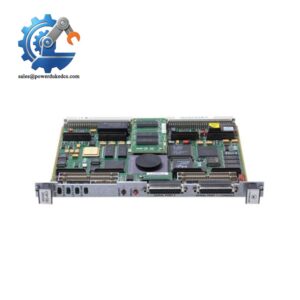
- Model & Brand: Motorola MVME5110-2261 6U VMEbus Single Board Computer (SBC). This module belongs to the Motorola/Emerson PowerPlus II VME architecture and uses a 500 MHz MPC7410 PowerPC processor, onboard SDRAM, Flash memory, and VME64 connectivity.
- Approximate Physical Dimensions (W × H × D): Approximately 233 × 160 × 25 mm (9.2 × 6.3 × 1.0 in.) in standard 6U VME format.
- Estimated Shipping Weight: Approximately 1.3–1.5 kg (2.9–3.3 lb) including ESD shielding and protective transport packaging.
- What’s in the Box:
- Motorola MVME5110-2261 VME processor module
- Front panel assembly
- Anti-static (ESD) shielding bag
- Shock-resistant foam packaging
- Firmware/boot memory components as installed
- Product identification label and traceability records
3. Product Introduction
The Motorola MVME5110-2261 installs into a 6U VMEbus chassis, where the rear connectors mate with the VME backplane to establish processor, memory, and peripheral communication paths. Correct slot placement, backplane compatibility, and airflow management are mandatory before power application. The extraction handles should seat naturally; never force the board into the card guides because damaged VME connector contacts can create intermittent system faults.
This embedded controller was designed for long-life industrial computing environments, including automation, instrumentation, defense-related platforms, and medical equipment architectures. The board combines PowerPC processing, ECC memory support, PCI expansion resources, Ethernet connectivity, and PMC expansion capability (which is important when maintaining legacy systems that cannot be easily migrated). Inspect the PCB surface, connector fingers, retaining hardware, and battery-backed memory area before returning a stored unit to operation.
4. Core Technical Specifications
| Parameter | Value |
|---|---|
| Manufacturer | Motorola |
| Model Number | MVME5110-2261 |
| Product Type | 6U VME Single Board Computer |
| Architecture | PowerPlus II VME Processor Module |
| Processor | MPC7410 PowerPC |
| CPU Frequency | 500 MHz |
| L2 Cache | Up to 2 MB backside cache |
| SDRAM Memory | 512 MB ECC SDRAM configuration |
| Flash Memory | 17 MB onboard Flash |
| VME Interface | VME64 compatible |
| VME Data Transfer | A32/D64 master and slave operation |
| PCI Interface | Dual PCI bus architecture |
| PMC Expansion | Dual PMC slots |
| Ethernet Interface | Gigabit Ethernet |
| Serial Interfaces | RS-232/422/485 capable ports |
| Battery-Backed Memory | SRAM/NVRAM support |
| Power Input | +5 VDC and ±12 VDC rails |
| Cooling Method | Forced-air VME chassis cooling |
| Operating Temperature | Industrial range dependent on configuration |
| Board Dimensions | Approximately 233 × 160 × 25 mm |
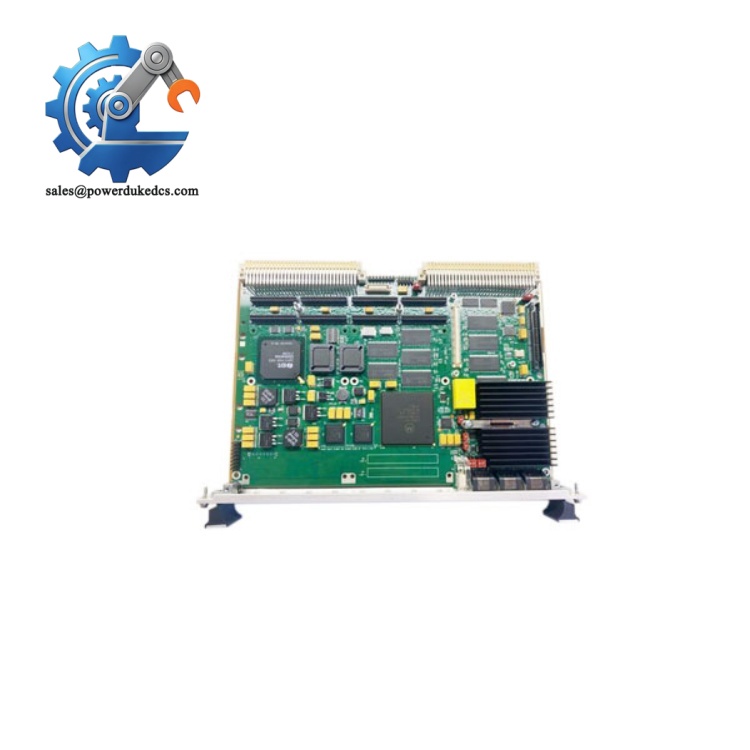
Motorola MVME5110-2261
5. Global Compliance & Industry Certifications
Expected regulatory approvals and compliance considerations for the Motorola MVME5110-2261 include:
- CE Mark compliance when installed within an approved equipment assembly
- UL/cUL recognition where applicable to the complete VME system
- FCC Class A industrial computing emissions considerations
- IEEE 1014 / VMEbus compatibility
- VME64 system compatibility
- RoHS compliance depending on manufacturing date and refurbishment history
- ATEX/IECEx suitability only when integrated into a certified hazardous-area enclosure
- Marine approvals such as DNV GL only for specifically qualified systems
For industrial computing racks, EMC compliance depends on the complete installation. The chassis shielding, power supply filtering, grounding network, and cable routing all contribute to final approval performance.
Verify specific lot certifications with OEM.
6. Long-Term Storage & Asset Preservation Guide
Keep the MVME5110-2261 inside its original anti-static (ESD) shielding bag during storage. The VME edge connector plating and PMC expansion connectors must remain protected from oxidation and airborne contamination.
Inspect battery-backed memory components before deployment. Long-storage periods can affect backup batteries and socketed devices, creating risks that are not visible during a simple visual check.
Maintain warehouse humidity below 60% RH and avoid temperature cycling. Before installation, record the serial number, board revision, firmware image, memory configuration, and physical condition in the asset management database.
7. Physical Installation Prerequisites
- Install only in a compatible 6U VMEbus chassis.
- Confirm VME64 backplane compatibility before insertion.
- Verify slot addressing and system controller configuration.
- Use proper card guides and extraction handles.
- Maintain unobstructed forced-air cooling through the chassis.
- Leave approximately 50 mm clearance around airflow intake and exhaust paths where practical.
- Confirm chassis protective earth grounding.
- Inspect connector pins and retaining screws before energization.
- Verify installed PMC modules and memory configuration match the application requirements.
8. Buyer’s FAQ (Logistics & Compliance Focus)
Q: What HS Tariff Code is commonly used for the Motorola MVME5110-2261?
A: VME processor boards are commonly evaluated under HS classifications covering electronic computer assemblies or industrial control equipment, often within HS 8471 or HS 8537 categories depending on the declared function. The final classification should be confirmed with the importer’s customs broker.
Q: Why does Country of Origin matter for this Motorola VME controller?
A: COO affects customs clearance, procurement records, warranty documentation, and industrial asset traceability. Verify the origin from the board label, supplier documentation, and commercial invoice before shipment.
Q: Should shipping insurance be included for the MVME5110-2261?
A: Recommended. This board contains high-value processor electronics, memory devices, and precision connectors. Use ESD protection, anti-shock packaging, moisture control, and receiving inspection records.
Q: Does the MVME5110-2261 include the latest firmware pre-loaded?
A: Firmware depends on the installed Flash contents and application history. The module includes onboard Flash resources, but the correct boot image, operating environment, and application software must be verified against the target VME system before commissioning.



 Start Chat