

Description
- Brand: GE Fanuc / Ramix / Abaco Systems lineage
- Full Model Number: PMC663J / 700860 / 700860 REV.B
- System/Series Family: Ramix PMC embedded computing and VME ecosystem
- Core Function: Dual-port 10/100BaseTX Ethernet controller implemented as a PCI Mezzanine Card
- Top 3 Hardcore Specs: 2 × 10/100 Mbps Ethernet ports; RJ45 connectors; full-duplex operation
- Network Features: Auto-negotiation; automatic speed configuration
- Bus Form Factor: PMC
- Other References: 14-0860C00; 5998-01-476-6057; 5998-01-510-0531
- Stock Status: New Surplus or Fully Tested Refurbished; exact revision to be confirmed
Identity note: Public technical references identify PMC663J / 700860 as a Ramix PMC663J dual Ethernet controller associated with GE Fanuc/Ramix, not a Motorola-branded controller. The submitted brand should therefore be verified against the physical nameplate before publishing the OEM field.
Module 3: Technical Product Introduction
When a legacy embedded controller loses one of its Ethernet interfaces, replacing the entire host computer can create unnecessary configuration work. The PMC663J is a dual-port 10/100BaseTX Ethernet controller in PMC format, designed to provide two independent network interfaces through RJ45 connectors. Public technical references associate part number 700860 with the PMC663J and identify it as a Ramix / GE Fanuc-related VME-era board. Each Ethernet channel supports 10 or 100 Mbps operation, full duplex, and automatic negotiation.
The important point for migration is the interface architecture. This is a PMC mezzanine module, not a conventional PCIe or standalone Ethernet adapter. The published feature set includes two 10/100 Mbit ports, RJ45 connectivity, full-duplex operation, and automatic speed configuration; the Ethernet engines also use DMA and deep FIFO buffering according to the available product reference. Exact PCI/PMC signaling, jumper configuration, power consumption, and operating-temperature figures are not sufficiently documented in the current public sources, so those values should be taken from the installed board revision or original technical manual rather than inferred.
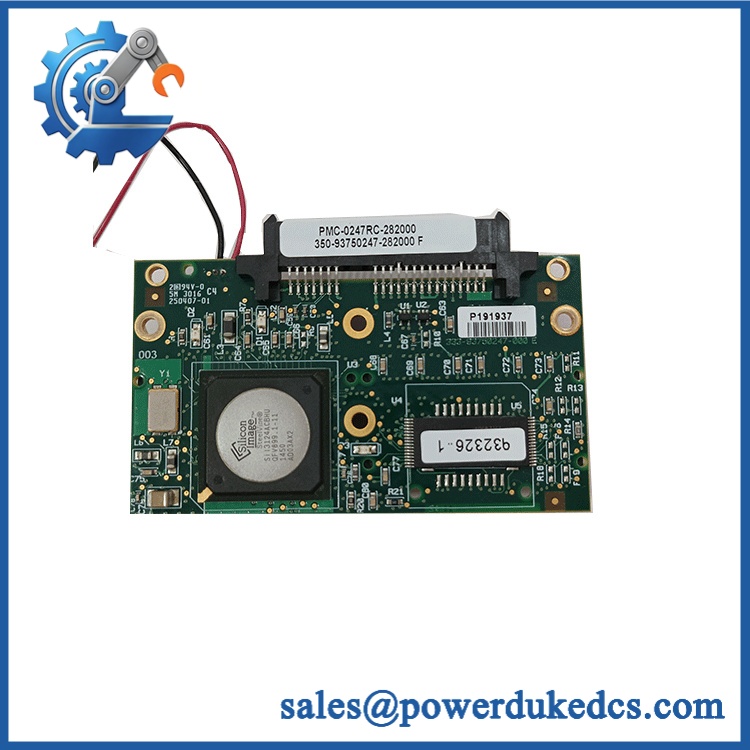
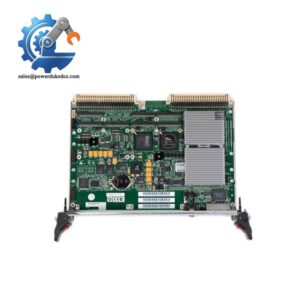
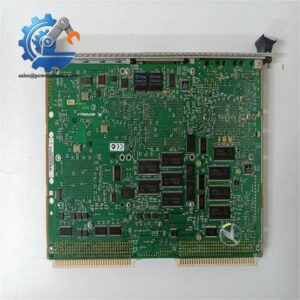
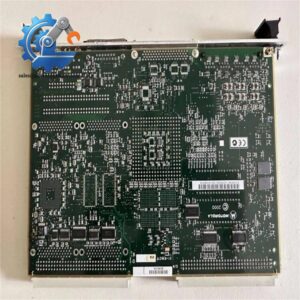
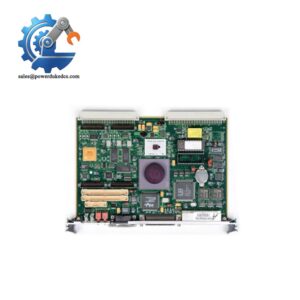
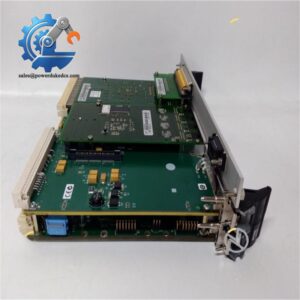
MOTOROLA PMC663J 700860
Module 4: Application Scenarios & Field Realities
- In a legacy VME computer chassis requiring two Ethernet links, PMC663J can provide the dual physical network interfaces without occupying a separate full-size VME network card position. The PMC form factor is the key architectural constraint; the host carrier must actually support a compatible PMC site.
- Where one network serves control traffic and the second serves diagnostics or plant connectivity, the two-port design can preserve physical network separation while keeping both interfaces within one PMC assembly. During replacement, verify the original host software’s interface numbering because logical port assignments can matter even when both ports are electrically identical.
- For older embedded industrial computers using 10/100 Ethernet infrastructure, automatic negotiation is useful when the connected switch or endpoint is configured for either 10 or 100 Mbps. Do not assume gigabit capability simply because a modern switch accepts the RJ45 plug; the published PMC663J specification is limited to 10/100 Mbps.
- During VME system refurbishment, connector cleanliness and PMC seating deserve particular attention. A board can pass a simple power test yet fail under network traffic when the PMC connector has oxidation or marginal contact pressure — especially on equipment that has been stored for years.
Module 5: Migration, Compatibility & Installation Traps
Replacement Matrix
Replacement classification: Drop-in Replacement only when the host carrier supports the same PMC interface, the software recognizes the PMC663J, and the replacement matches the required board revision and connector configuration.
Software compatibility: Software verification required. The board is an Ethernet interface module, so the host operating system, BSP, driver package, or application may identify the two ports by specific device IDs. Do not assume a later Ramix or Abaco Ethernet PMC will enumerate identically.
Cross-model replacement: Hardware modification may be required. Other Ramix PMC Ethernet cards, including single-port and quad-port variants, can have different device populations, connector assignments, drivers, and software enumeration. A physical PMC fit does not establish functional equivalence. Public inventory references distinguish PMC663J from PMC661J and PMC610J4 products.
Field Traps — Watch Out
1. Verify the host carrier before ordering. PMC663J is a mezzanine card. The carrier must provide the appropriate PMC electrical interface, mechanical support, power, and front-panel access. Installing the board into a chassis that only accepts PCI, PCI-X, PCIe, or a mechanically different mezzanine standard is not a direct replacement.
2. Match the exact board revision. Public sourcing references show the identifier 700860 REV.B / PMC663J, so the revision printed on the existing board matters. A generic “PMC663J” listing may not tell you whether the offered hardware matches the installed revision.
3. Validate both Ethernet channels independently. Do not qualify the module after testing only one RJ45 port. The product’s function depends on two network interfaces; run separate link, transmit, receive, and full-duplex checks on both ports.
4. Confirm the actual manufacturer identification. The supplied inventory line says MOTOROLA, while current references identify PMC663J / 700860 with GE Fanuc, Ramix, and later Abaco Systems branding. Record the exact board label before creating the final ERP or customs description.
Module 6: Quality Assurance SOP
Pre-Shipment Inspection Protocol for PMC663J 700860
- OEM identity inspection: Record every visible marking, including PMC663J, 700860, revision suffix, manufacturer logo, serial number, and any additional assembly number such as 14-0860C00.
- Configuration inspection: Photograph both sides of the board and confirm that the physical component population matches the requested PMC663J revision.
- Mechanical inspection: Examine the PCB, PMC connector, mounting hardware, front-panel bracket, RJ45 assemblies, and board stiffeners for cracks, deformation, corrosion, contamination, or unauthorized modification.
- Connector inspection: Inspect both RJ45 ports and the PMC connector for bent contacts, oxidation, damaged latches, loose hardware, or contamination.
- Component inspection: Check for burnt components, cracked packages, damaged capacitors, loose heatsinks, broken sockets, and signs of previous solder rework.
- Power-on verification: Install the board in a compatible laboratory PMC carrier and apply the verified host-system power configuration while monitoring startup current and abnormal temperature rise.
- Port 1 functional test: Connect a known-good Ethernet endpoint and verify link establishment, 10/100 Mbps negotiation, transmit and receive operation, and full-duplex communication.
- Port 2 functional test: Repeat the complete link and traffic test independently on the second Ethernet interface.
- Traffic-load verification: Run sustained packet transfer through both ports where the test fixture permits, checking for link drops, packet errors, resets, or thermal instability.
- Host enumeration check: Confirm that the carrier and operating environment correctly detect the PMC and expose both Ethernet interfaces.
- Revision record: Document the exact board revision and compare it with the customer’s installed part before shipment.
- Final QC record: Record model, part number, revision, serial number, carrier used for testing, both port test results, test date, and inspector approval.
- ESD-controlled packaging: Place the board in an ESD-safe bag, protect the PMC connector and RJ45 assemblies, and use mechanical cushioning to prevent PCB flex during transport.
Procurement note: The strongest available evidence identifies PMC663J / 700860 as a Ramix dual Ethernet PMC controller, with GE Fanuc/Ramix appearing in VME board references and Abaco Systems appearing in later commercial listings. The available sources do not substantiate Motorola as the OEM for this exact part number. For purchasing, customs, and asset records, the physical label should be used to resolve the manufacturer field before the item is released as “Motorola.”



 Start Chat