

Description
- Brand: GE General Electric
- Full Model Number: ESM10A
- Lifecycle Status: Legacy / lifecycle status to be verified
- Core Function: Industrial control and I/O interface module
- Technical Classification: Control / I/O module
- Communication: Ethernet-related industrial communication reported in available references
- I/O: Analog I/O specifications reported by some references; exact configuration requires verification
- Input Configuration: Model-specific electrical and communication configuration
- Mounting: Installation method requires verification against the actual unit
- Condition: New Surplus / Tested Refurbished subject to actual inventory
- Stock Status: Physical stock confirmation required before PO
- Shipping: Emergency dispatch cutoff to be confirmed at order time
Available references identify GE ESM10A as an industrial automation control module, but published descriptions are inconsistent regarding its exact platform, electrical ratings, communication interfaces, and physical configuration. One source describes it as a PLC-2-related controller board, while other sources describe an Ethernet/I/O module. Those conflicting specifications should not be used as purchase-order requirements without verification against the physical unit and OEM documentation.
Obsolescence & Supply Chain Deep Dive
The principal procurement risk with GE ESM10A is identification accuracy. Unlike a fully documented current-generation catalog number, this model appears in online industrial references with materially different technical descriptions. Some references classify ESM10A as a controller circuit board associated with PLC-2 equipment, while others describe an Ethernet I/O module with analog inputs and modern communication protocols. For a maintenance team supporting legacy GE equipment, that discrepancy matters: purchasing by model number alone without checking the actual nameplate, PCB markings, connectors and application can result in an electrically unsuitable replacement.
From a TCO perspective, an accurately identified spare can still be preferable to replacing an entire legacy control assembly when the surrounding system remains operational. The cost benefit comes from avoiding unnecessary cabinet changes, engineering redesign, application redevelopment and commissioning work. Before a PO is released, procurement should obtain actual-unit identification and compare it with the installed ESM10A. If the application involves an Ethernet or analog-I/O function, the engineering team should also verify the exact communication protocol, channel count, signal ranges and power requirements because these specifications are not consistently documented across available references.
Compatibility & Replacement Matrix
| Replacement Scenario | Assessment | Engineering / Procurement Action |
|---|---|---|
| ESM10A replacing the identical configuration | Drop-in Replacement subject to verification | Match nameplate, PCB markings, connectors and electrical configuration |
| replacing another GE module with a similar function | Compatibility Verification Required | Compare electrical ratings, I/O architecture and communication interfaces |
| Different ESM-series variant | Not Automatically Compatible | Obtain model-specific documentation before approval |
| Firmware flash | Not Established | Confirm the exact hardware generation and applicable configuration procedure |
| Hardware modification | Not Required for Exact-Match Replacement | Any alternate-unit modification requires engineering approval |
| Estimated like-for-like replacement labor | Approximately 1–3 hours | Actual time depends on mounting, wiring and commissioning requirements |
| Alternate-module engineering review | Approximately 2–8 hours | Depends on system drawings and available technical documentation |
Field Traps to Watch Out For
Conflicting technical descriptions: Public references do not agree on whether should be treated as a PLC-2 controller board or an Ethernet/I/O module. Do not approve a replacement based on a generic online specification table.
Electrical specification mismatch: Some references publish 24 VDC input information, while another describes 24 VAC input and 24 VDC output. These conflicting values demonstrate why the installed unit and authoritative documentation must be checked before energization.
Communication mismatch: Ethernet, RS485, Modbus TCP and Ethernet/IP have been associated with in different online descriptions. Treat all such protocol claims as unverified until the actual hardware and documentation confirm them.
Model-number discipline: Keep exactly as printed on the equipment label when requesting a quotation. Do not substitute a similar ESM-series model without engineering approval.
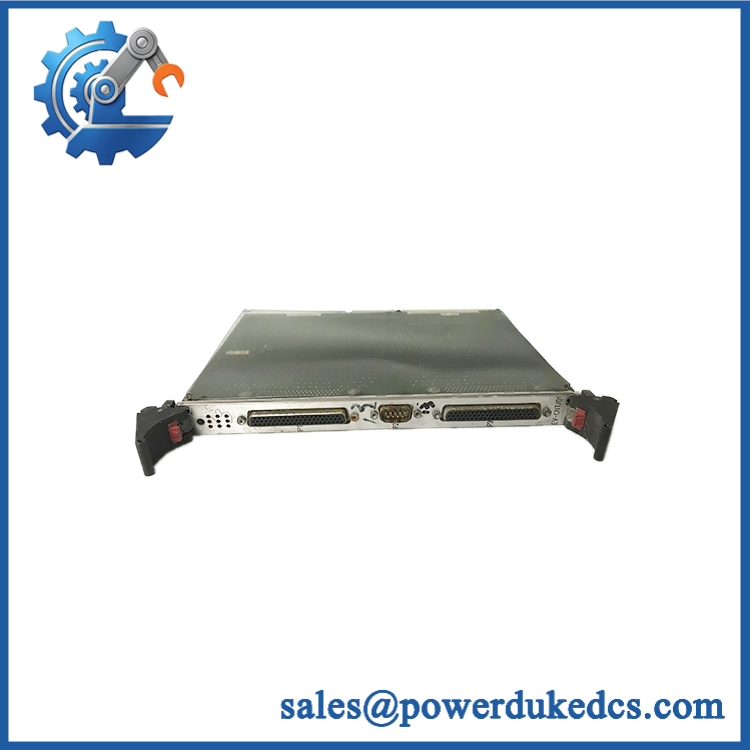
GE ESM10A
Quality Assurance & Testing SOP
Because available public specifications for are inconsistent, the QA process should place greater emphasis on physical identification and application-specific testing. The supplier should not release the unit based solely on a database model match.
- Part-number verification: Confirm the complete marking against the purchase order.
- OEM identification inspection: Check GE labels, PCB markings, manufacturing identifiers and component layout.
- Configuration verification: Record all visible revision, option and configuration markings.
- PCB condition inspection: Check for corrosion, contamination, cracked components, damaged traces and overheating.
- Connector inspection: Examine every accessible connector for bent contacts, oxidation and mechanical damage.
- Terminal inspection: Verify terminal blocks and wiring interfaces where fitted.
- Power-supply inspection: Confirm the required input voltage from authoritative documentation before applying power.
- Power-on self-test: Energize the unit through an approved test arrangement and monitor startup behavior.
- Status-indicator check: Verify available RUN, fault, communication or diagnostic indicators.
- Communication testing: If the actual unit provides Ethernet, RS485 or another interface, test the applicable interface using the confirmed protocol.
- I/O load testing: Where applicable, simulate representative input signals and verify corresponding output or data responses.
- Analog-channel verification: If analog I/O is present, test applicable voltage/current ranges against the confirmed hardware specification.
- Thermal observation: Monitor the module during the defined test period for abnormal heating or instability.
- Final visual inspection: Recheck connectors, terminals, labels and PCB condition after testing.
- ESD packaging: Package the approved module in static-protective material with suitable mechanical protection.
- QC record: Record model number, visible revision/configuration markings, identification details where available, test date and inspection result.
The test procedure must be adapted to the actual hardware. Published third-party descriptions provide insufficient evidence to establish one universal electrical test specification for every unit carrying this model number.
Procurement & Lifecycle FAQ
Is the GE genuinely in stock, and what is the emergency-shipping cutoff?
Physical inventory should be confirmed before the PO is released. For an emergency requirement, request confirmation of the actual unit, complete identification marking, condition, testing status and warehouse release cutoff. A generic online “in stock” statement should not replace physical-stock confirmation.
How do you verify the condition and authenticity of an ?
The supplier should photograph and record the actual identification marking, PCB condition, connectors and visible revision information. New-surplus, used, refurbished and repaired units should be identified separately on the quotation. For a legacy control component, actual-unit verification is particularly important because published specifications for this model are inconsistent.
Are there firmware or communication compatibility issues before issuing the PO?
Yes, they should be checked before approval. Available references associate with different communication and control architectures, including PLC-2-related applications and Ethernet/I/O applications. Engineering should confirm the installed communication protocol, I/O configuration, power requirements and any stored application configuration before replacement.
What warranty terms and return conditions should procurement request?
The quotation should specify the warranty period, warranty start date, DOA definition, return authorization process and remedy. Procurement should also require the supplier to state whether the unit is new surplus, used, refurbished or repaired.
Can another GE ESM-series module replace ?
Not automatically. Similar model prefixes do not establish electrical or functional equivalence. Because available references describe substantially different configurations, engineering should compare the actual installed unit, system drawings, connectors, power requirements, I/O characteristics and communication interfaces before approving any substitute.



 Start Chat