

Description
- Brand: GE / PCH Engineering A/S
- Full Model Number: PCH1026 / CHF861040
- System/Series Family: PCH 1026 FlexMON Digital Wind Turbine Structural Vibration Monitor
- One-Sentence Core Function: Continuous structural vibration monitoring for wind-turbine machinery and support structures
- Top 3 Hardcore Specs: Up to 4 total vibration sensors; 0.05–1,000 Hz monitoring range; internal digital self-monitoring and programmable alarm functions
- Stock Status: New surplus / fully tested refurbished, subject to exact Mk1/Mk2/Mk3 revision and configuration
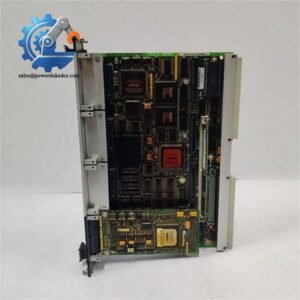
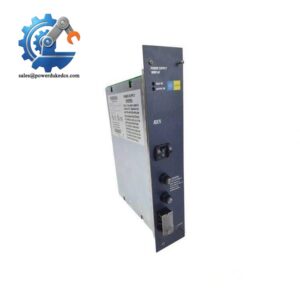
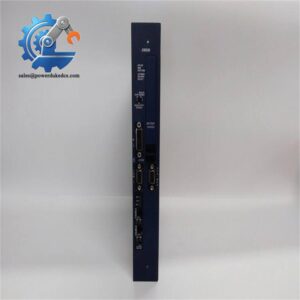
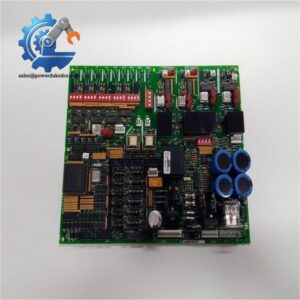
The PCH1026 / CHF861040 is documented as a structural vibration monitor for wind turbines. Trade records specifically identify PCH1026/CHF861040 as a vibration monitor used for monitoring structural vibration in wind turbines, while PCH Engineering documentation identifies the PCH 1026 as a digital wind-turbine structural vibration monitor.
Module 3: Commercial-Technical Deep Dive
A wind-turbine vibration monitor has one job that a general PLC cannot replace: continuously detecting mechanical behavior early enough to support protective action. The GE PCH1026 CHF861040 belongs to the PCH 1026 vibration-monitoring family used for structural monitoring of wind turbines. The PCH 1026 architecture supports up to four sensors in total, combining built-in accelerometers with optional external acceleration, velocity, or proximity sensors. Measured vibration can be evaluated against programmed Alert and Danger thresholds, with relay outputs available to initiate actions such as turbine shutdown.
The useful engineering number is the measurement bandwidth. PCH documentation describes the PCH 1026 as a low-frequency monitoring system covering 0.05 to 1,000 Hz, with configurable sensor arrangements and digital signal processing. The Mk2 documentation also describes an internal watchdog that continuously monitors sensors and electronic circuits, plus a serial interface supporting Modbus-based reading of vibration levels and process values. That means a correctly configured spare can restore not only measurement, but also the alarm and shutdown logic tied to the existing turbine protection scheme. (The exact CHF code is significant because it represents the unique customer setup.)
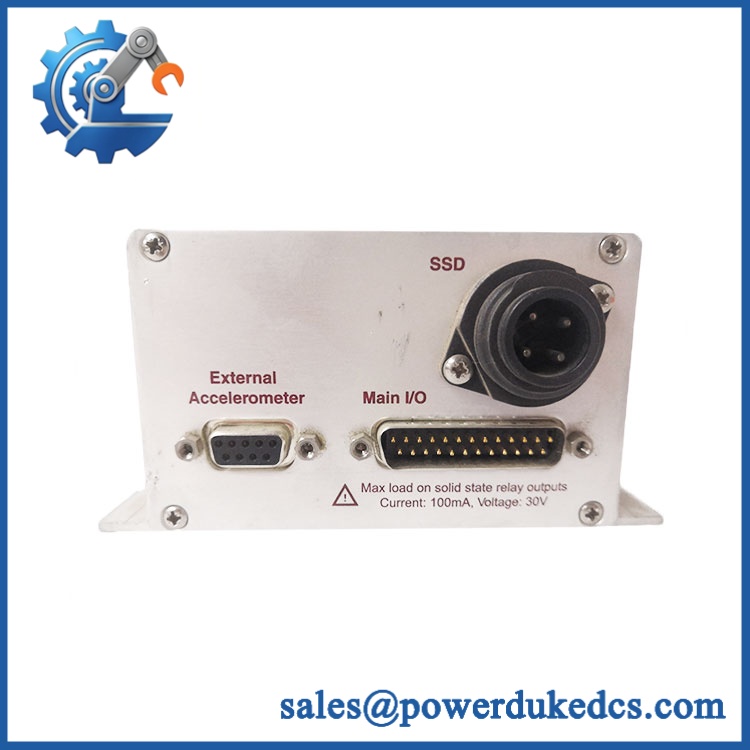
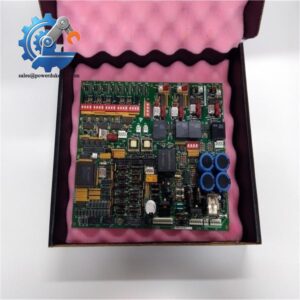
GE PCH1026 CHF861040
Module 4: Compatibility & Installation Traps
Migration/Compatibility
- Replacement type: Digital structural vibration monitor for wind-turbine applications
- Model: PCH1026
- Configuration Identifier: CHF861040
- Firmware flash: Potentially required depending on the hardware generation and existing configuration.
- Logic rewrite: Normally not required when replacing an identical configured unit.
- Drop-in status: Conditionally direct. The PCH 1026 existed in multiple hardware generations, and the CHF number identifies the customer-specific setup.
- Hardware generation warning: PCH documentation distinguishes Mk1 and Mk2 units and states that the Mk2 hardware requires CHT 1024 software version 3.35 or higher. The documentation also notes that the CHF number identifies the unique setup of the individual monitor.
- Current family: Trade records also document PCH 1026 Mk3 units, so the exact hardware generation should be checked from the nameplate before substitution.
⚠️ Field Traps (Watch Out)
1. CHF861040 is not just a cosmetic suffix.
PCH Engineering documentation states that the CHFxxxx number identifies the unique pre-configured setup of a particular PCH 1026. Two PCH1026 units can therefore share the same base model while carrying different customer parameters, machine types, alarm thresholds, and sensor configurations. Match the complete CHF code before shipment.
2. Mk1 and Mk2 are not firmware-equivalent.
The PCH documentation states that Mk2 uses substantially different internal hardware and firmware, and that CHT 1024 version 3.35 or higher is required for Mk2 configuration. A replacement that matches “” but belongs to the wrong hardware generation can create a commissioning problem.
3. Sensor count and sensor type must match the setup file.
The monitor supports up to four sensors total, including internal and external sensors. External devices may be accelerometers, velocity sensors, or proximity probes depending on the application. Verify every connected channel before replacement rather than assuming the cabinet wiring is generic.
4. Do not overwrite a factory-authorized configuration casually.
PCH documentation states that changing a pre-configured Mk2 setup can remove the original factory setup authorization code unless the replacement setup is properly authorized. Preserve the original configuration file and authorization information before making changes.
Module 5: Quality Assurance SOP
Each GE CHF861040 unit should pass a documented pre-shipment inspection sequence:
- OEM anti-counterfeit visual inspection: Verify GE/PCH identification, , CHF861040, enclosure markings, serial number, connector arrangement, and manufacturing labels.
- Exact configuration verification: Record the complete identifier and compare it against the purchase order and available turbine documentation.
- Hardware-generation check: Determine whether the unit is Mk1, Mk2, or Mk3 from the physical identification and documentation before release. PCH documentation confirms that hardware generations differ materially.
- Mechanical inspection: Check the enclosure, terminal blocks, sensor connectors, communication ports, mounting points, and protective cover for impact, corrosion, contamination, or unauthorized repair.
- Sensor-interface inspection: Verify each sensor input interface and inspect terminals for damage or loose connections.
- Power-on self-test (POST): Power the monitor in an approved test environment and verify normal initialization, watchdog behavior, system diagnostics, and absence of persistent faults.
- Sensor simulation test: Use calibrated vibration/signal simulation equipment to confirm the configured measurement channels and expected engineering values.
- Alarm verification: Exercise programmed Alert and Danger conditions and verify the corresponding relay response. PCH documentation states that programmed vibration thresholds can activate relays for protective actions.
- Communication handshake verification: Where fitted, verify serial/Modbus communication and confirm that measured vibration values, alarms, and system status can be read correctly.
- Configuration retention check: Confirm that the approved setup remains intact after a controlled power cycle.
- Final QC: Photograph the nameplate and CHF code, record test results, preserve the configuration record where permitted, and package the monitor to protect connectors and enclosure surfaces.
Module 6: CRO-Driven Buyer FAQ
1. What is GE ?
It is a PCH 1026 digital structural vibration monitor configured for wind-turbine monitoring. Trade records specifically identify as a structural vibration monitor for wind turbines, while PCH Engineering documentation describes the PCH 1026 platform and its configurable monitoring architecture.
2. What does the number mean?
The CHFxxxx identifier represents the unique customer-specific setup of the monitor. PCH documentation explains that factory configuration can include agreed machine-specific parameters, and the CHF number identifies that setup. It should therefore be matched exactly when sourcing a replacement.
3. Can the be hot-swapped?
Do not assume hot-swap capability. Replacement should follow the turbine manufacturer’s maintenance procedure, including electrical isolation and verification of sensor and relay circuits before disconnecting the monitor.
4. Does replacing the require firmware or configuration loading?
It can. The requirement depends on the hardware generation and the configuration already stored in the replacement unit. PCH documentation states that Mk2 units require CHT 1024 version 3.35 or later, and the CHF number represents a specific customer configuration. Preserve the original setup data before replacement.
5. What warranty and technical support are provided?
Warranty duration should be stated on the quotation for the exact inventory condition and hardware revision supplied. Technical support should cover model and CHF-code verification, hardware-generation identification, configuration review, inspection/test documentation, sensor-interface checks, and replacement guidance within the documented PCH 1026 architecture. Turbine protection logic, sensor calibration at site, and energized maintenance remain the responsibility of qualified personnel.



 Start Chat